Unfortunately, we don't support Internet Explorer anymore as it has been replaced by Microsoft Edge.
Please try downloading Microsoft Edge or an alternative modern browser for the best experience.
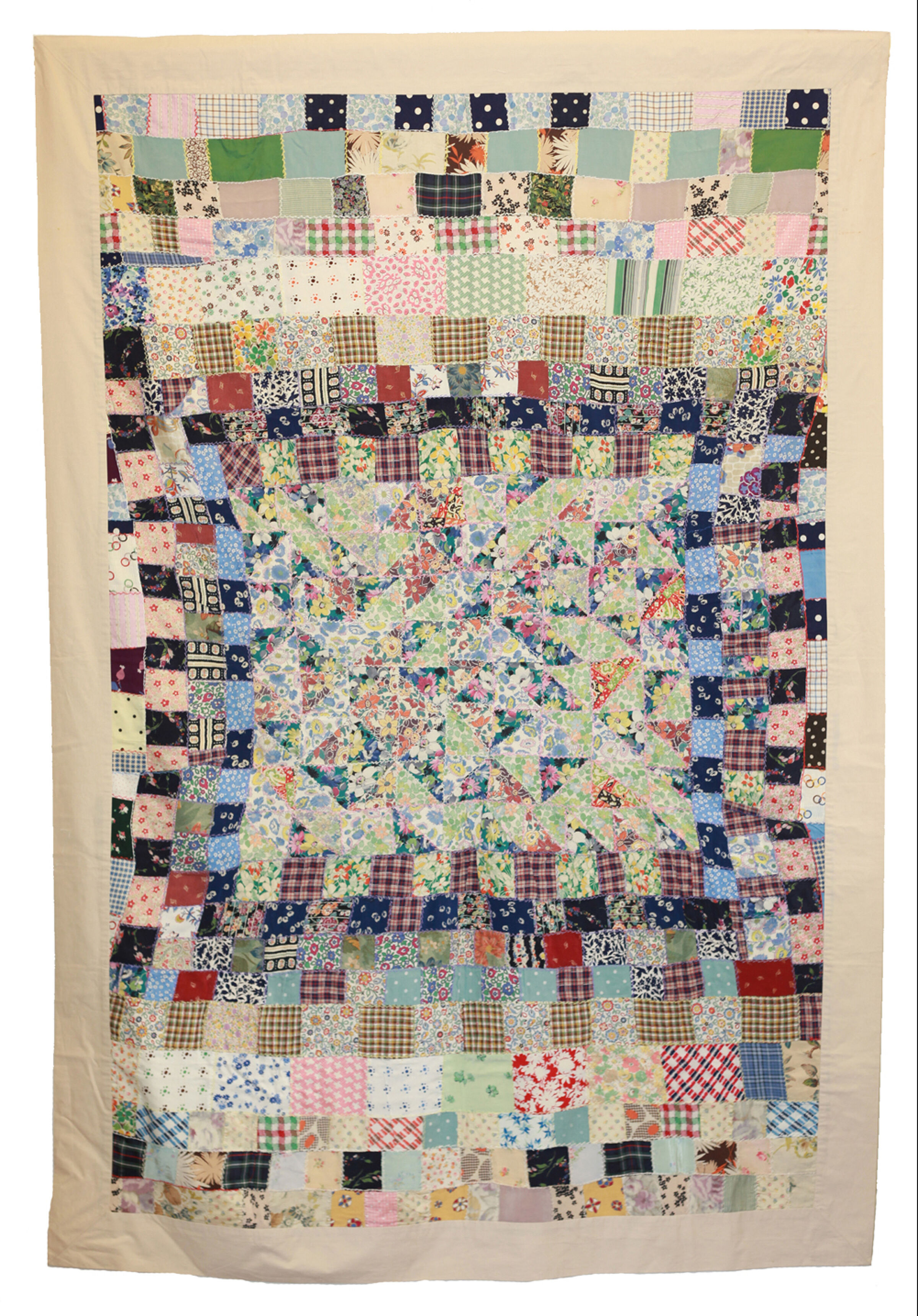
Wartime Coverlet, 1939–1945 (made by orthopaedic patients and nurse Barbara Bailey)
The Wartime Coverlet, created between 1939 and 1945, is one such piece. Made collaboratively by orthopaedic patients and nurse Barbara Bailey, it reflects a time when patchwork became more than a craft. In a hospital setting shaped by wartime recovery, sewing offered patients a way to focus, create and pass the time together.
Constructed from squares, rectangles and triangles of printed cotton, linen and rayon, the coverlet brings together a wide variety of fabrics typical of the 1930s. The arrangement is structured but lively, framed by a plain border that allows the central patchwork to take focus. Along the seams, feather stitch embroidery adds a delicate layer of texture, quietly emphasising the care taken in its making.
What makes this quilt particularly compelling is the context in which it was created. Barbara Bailey introduced patchwork as a therapeutic activity for her patients, recognising the value of making in supporting both physical and emotional recovery. The process of stitching, repetitive, absorbing and purposeful, provided a sense of routine and achievement during a challenging time.
Today, we might describe this as creative wellbeing, but the principles are familiar. Working with fabric, making decisions, and contributing to a shared piece can offer comfort and connection. The Wartime Coverlet stands as an early example of how textiles have been used in this way.
Barbara Bailey’s involvement in quilting continued long after the war. A founding member of The Quilters’ Guild, she became known for her teaching and enthusiasm, often working alongside her sister Dulcie to share knowledge and bring people together through stitch.
Seen now, the coverlet is more than a record of its materials and construction. It reflects a moment of collaboration and care, of people coming together to make something meaningful during uncertain times.
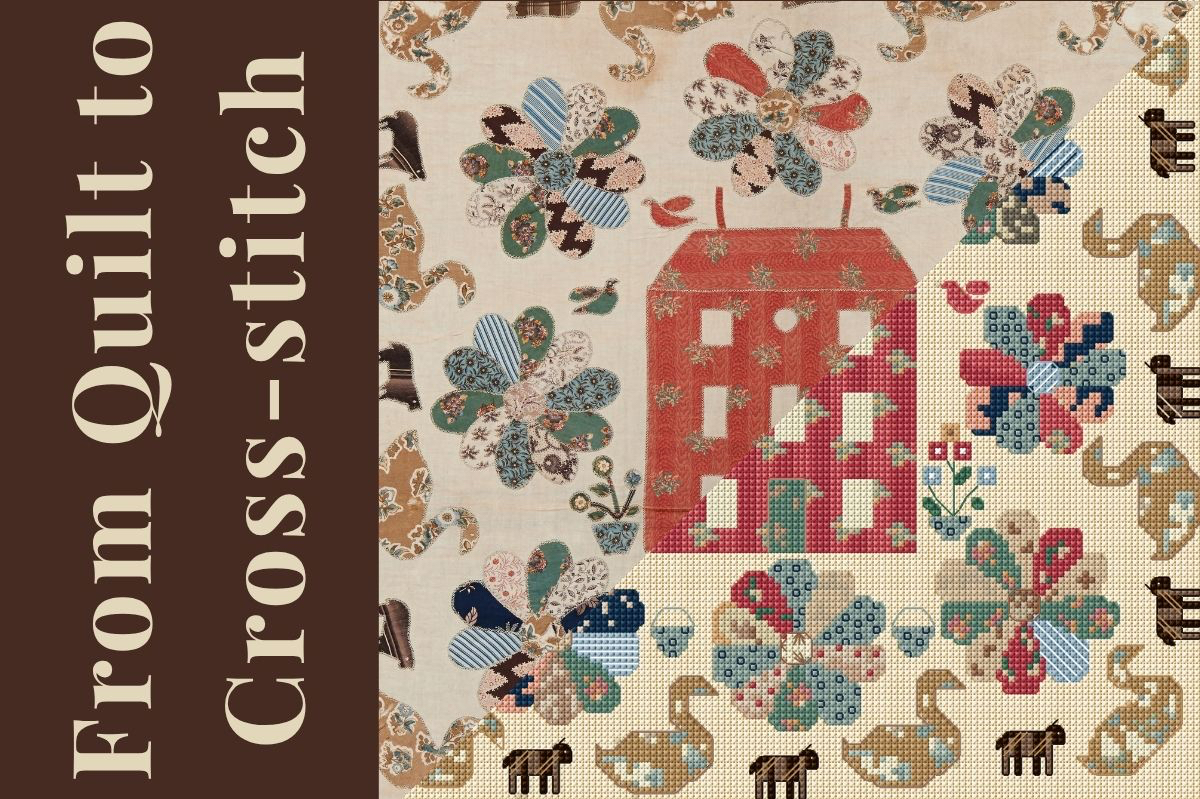
Discover how treasures from The Quilt Collection are being reimagined as cross-stitch and tapestry patterns, bringing historic textiles to today's stitchers.

Discover the story of the McSloy Coverlet, a handmade quilt created by James Burt while convalescing from tuberculosis at Woolley Sanatorium in Northumberland.
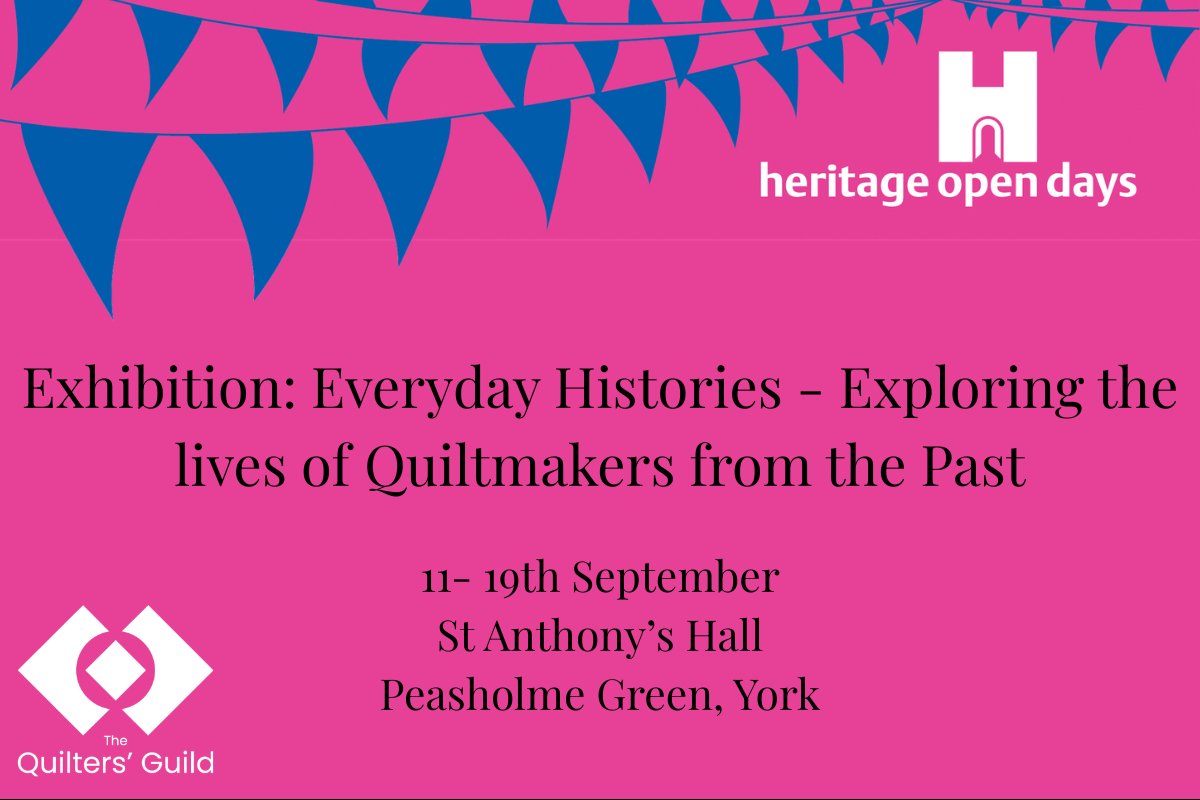
Visit The Quilters' Guild in York for a free Heritage Open Days exhibition exploring the everyday lives of quiltmakers through historic quilts from the Collection. 11–19 September 2026.
