Unfortunately, we don't support Internet Explorer anymore as it has been replaced by Microsoft Edge.
Please try downloading Microsoft Edge or an alternative modern browser for the best experience.

1. Patchwork Blocks
A useful starting point for beginners (see our beginner’s guide to hand quilting).
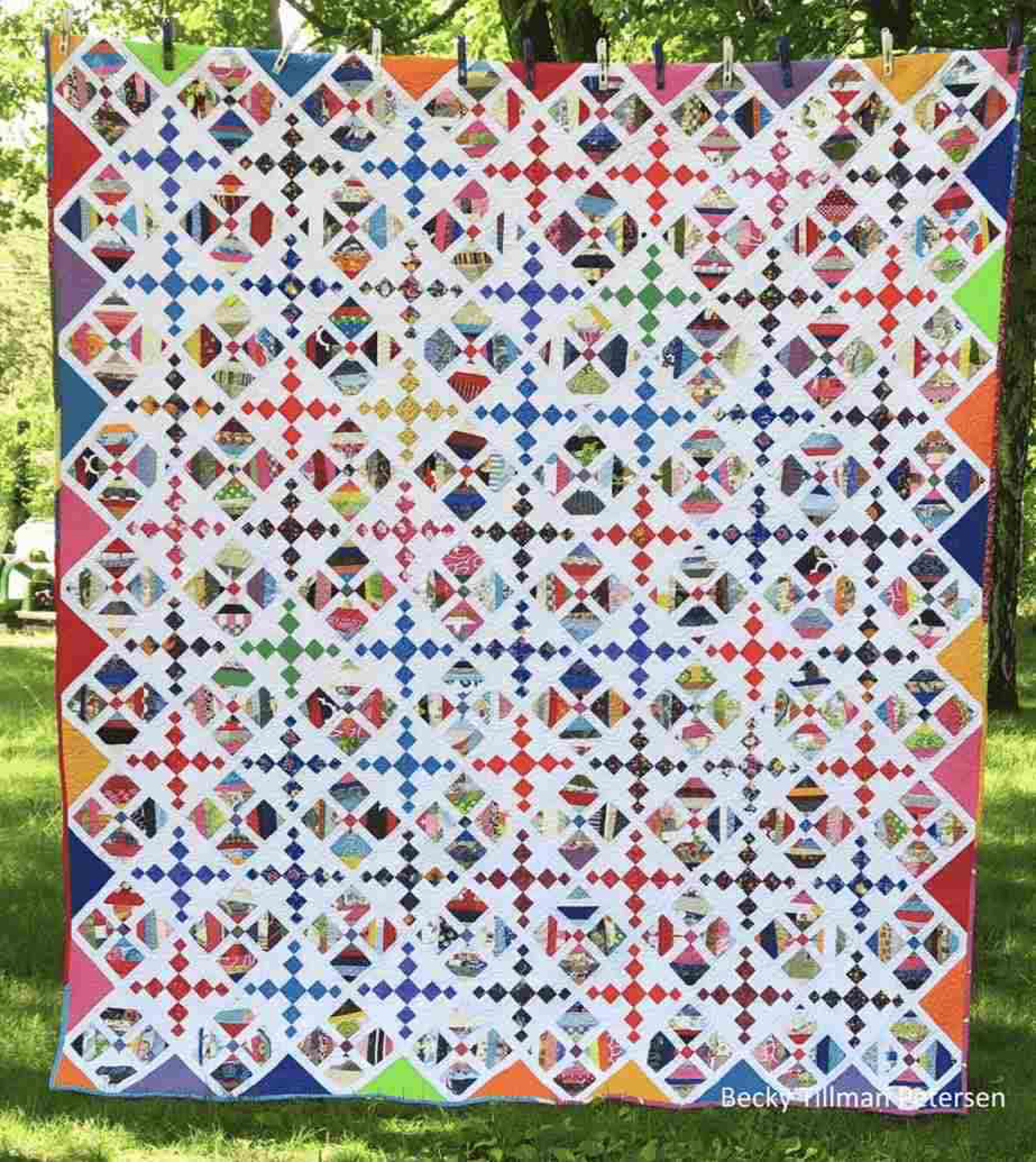
STRINGALICIOUS by Becky Tillman Petersen from Quilted Twins
String Quilt patterns bring a breath of fresh air, offering a playground for every quilter's imagination. It's the kind of project that uses scraps stitched together to create a larger, eye-catching design. Additional string quilt designs can be found at I Love Quilting Forever.
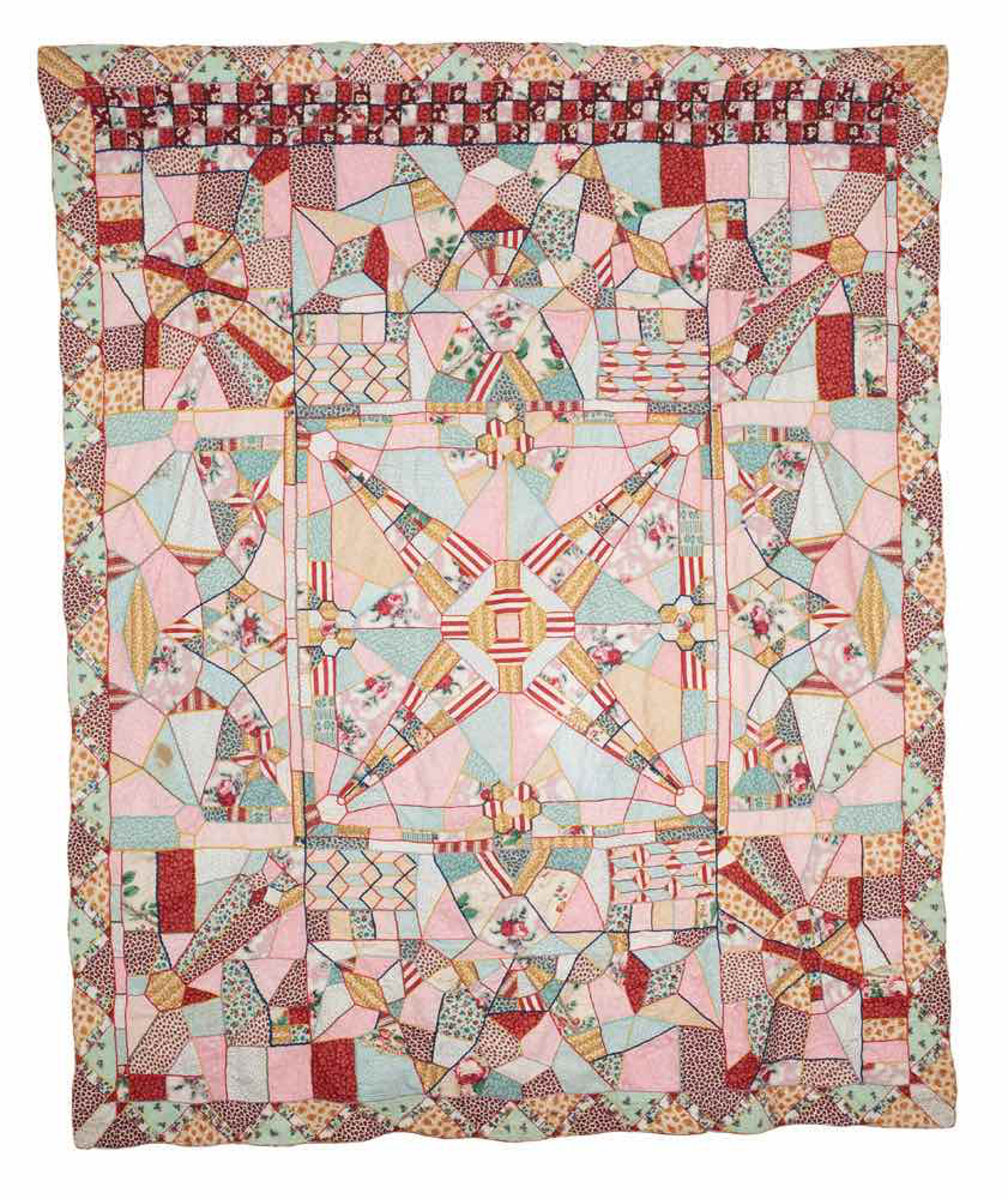
Braided Star Coverlet by William Singleton 1860-1870
A distinctive form of patchwork, the crazy quilt emerged in the Victorian era during the mid to late 19th century.
Unlike more structured designs, crazy quilts are made from irregular pieces of fabric arranged in asymmetrical compositions. These often included luxurious materials such as velvet, silk and brocade, along with decorative elements like lace, ribbons and buttons - frequently repurposed from garments.
The seams between pieces were typically embellished with decorative embroidery, adding further texture and detail. At the time, crazy quilts were often associated with status, as they required both time and access to a wide range of materials.
Traditionally, these quilts were made without batting or backing, and many surviving examples still contain the paper foundations used during their construction - offering a lasting insight into both technique and materials.
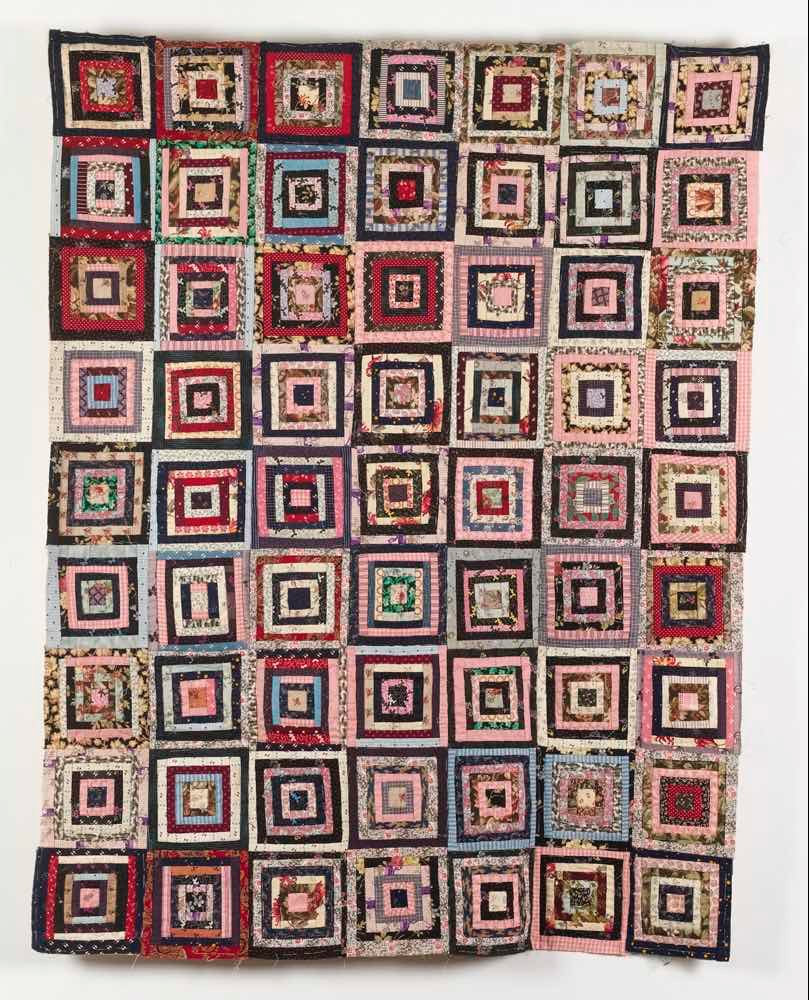
Log Cabin unfinished piece 1880-1910
Log cabin quilt blocks are particularly well-suited to using fabric scraps. Built from small strips arranged around a central square, they allow for flexibility in both size and fabric choice.
This makes it easy to incorporate leftover pieces without requiring strict uniformity. Contrast, rather than precise matching, helps create a balanced and cohesive design.
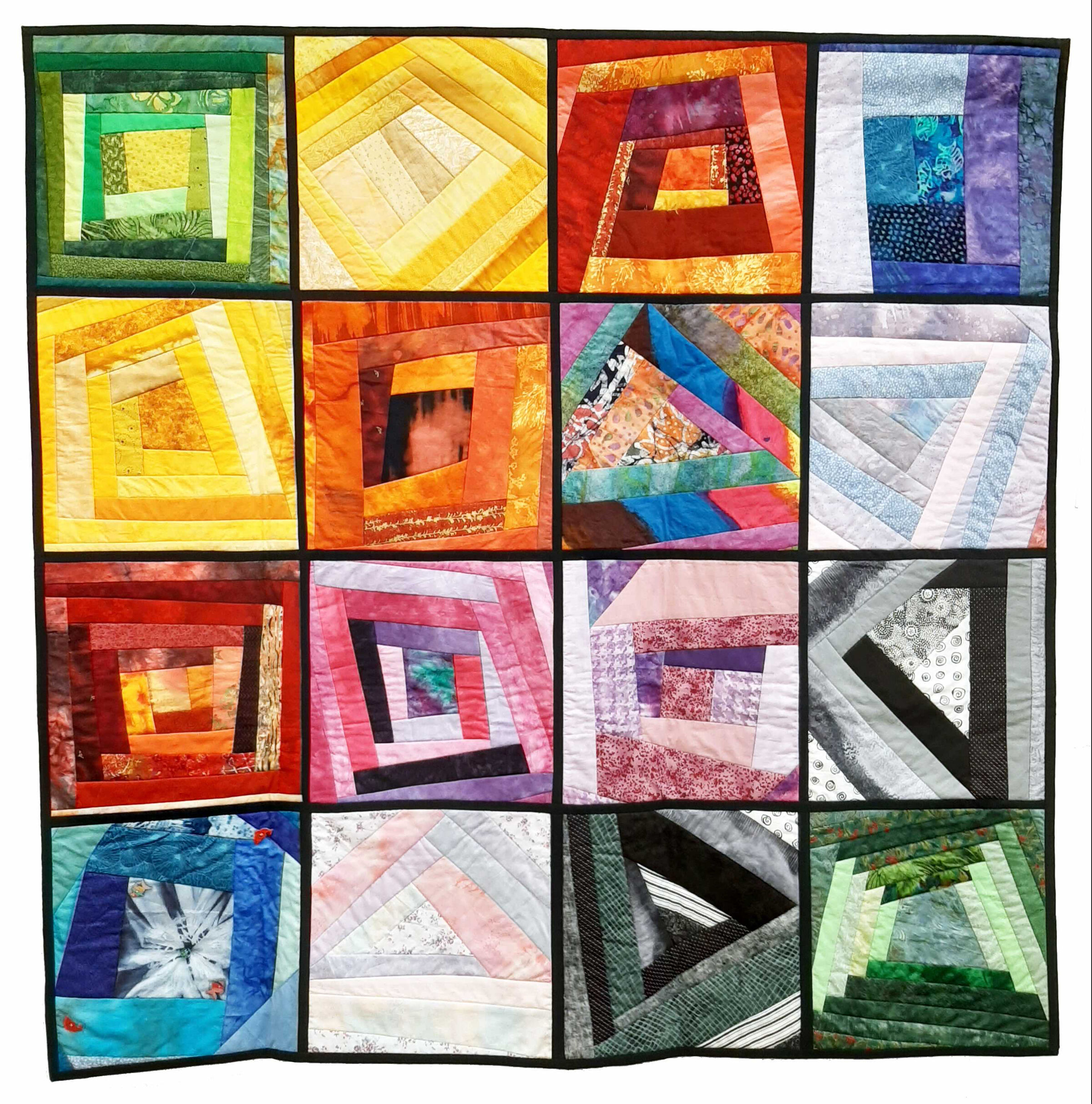
The Tribute to Anne Tuck by Young Quilters from Region 15E (2018)
Appliqué involves stitching smaller pieces of fabric onto a larger background, making it particularly well-suited to using fabric scraps.
Because the shapes are often small, even the smallest offcuts can be used effectively. This allows for a wide range of colours, textures and patterns to be incorporated without the need for large pieces of fabric.
Appliqué also offers a more decorative approach, where scraps can be used to add detail, highlight certain areas, or introduce contrast. In this way, it provides both a practical use for leftover materials and an opportunity for creative expression.
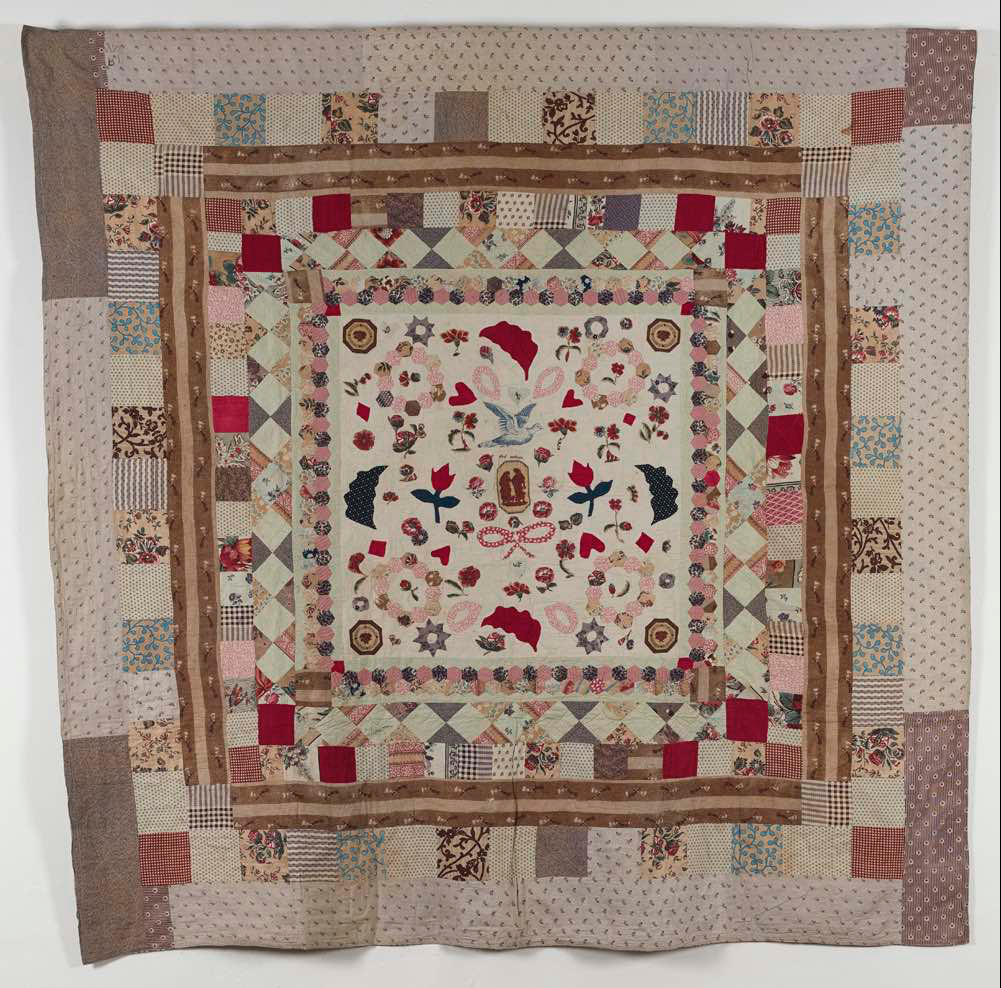
Applique Frame & Strippy Quilt 1870-1886
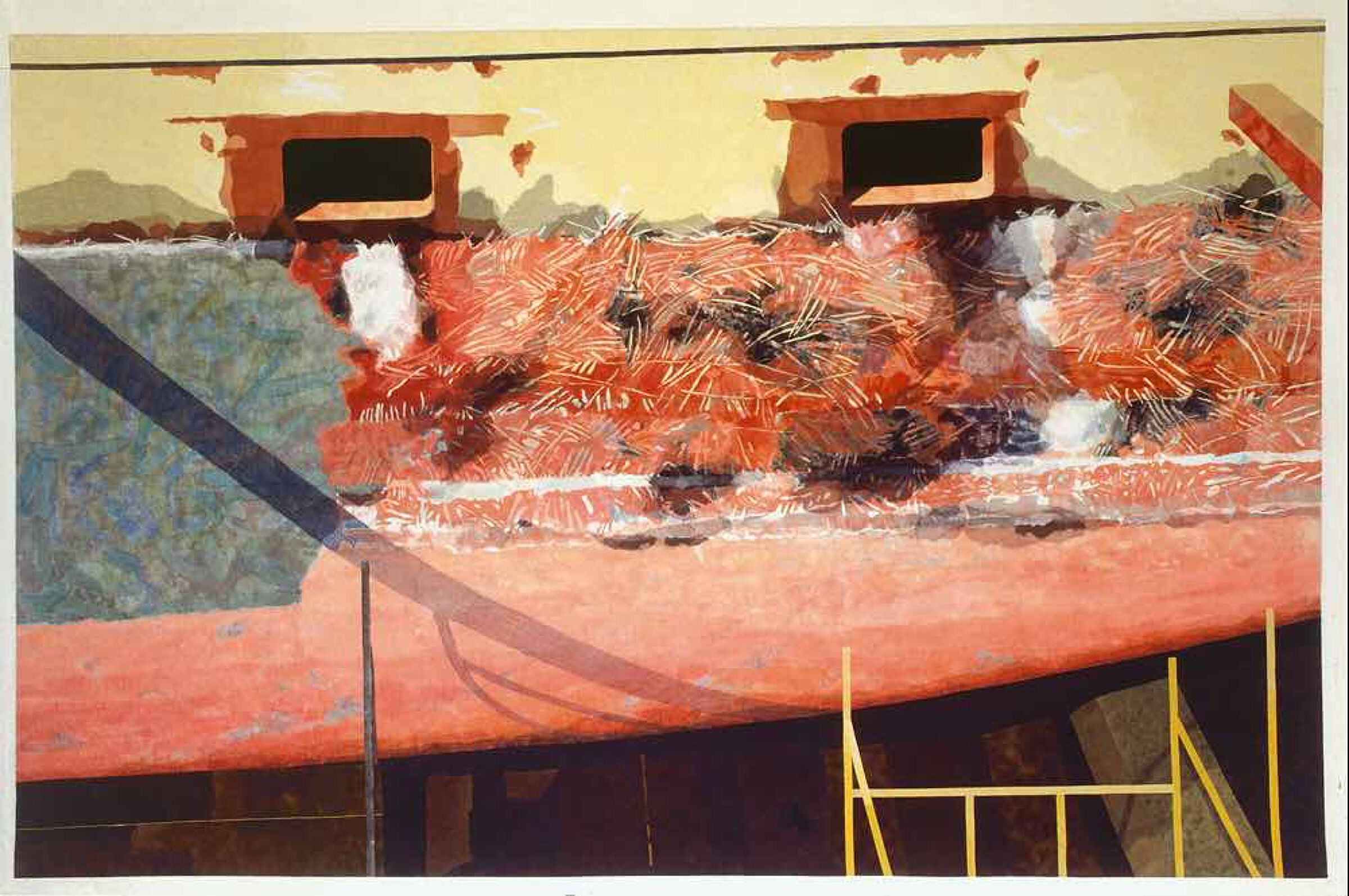
'"Dry Dock" Jo Budd '88'.
With almost no rules and endless designs, collage quilts offer a unique way to play with scraps.
Check out these free patterns here.
Small projects offer a practical and satisfying way to use fabric scraps. Items such as coasters, pincushions, pouches, or small bags require only modest amounts of fabric, making them ideal for using leftover pieces.
These projects can often be completed in a short amount of time, allowing you to experiment with colour and pattern without committing to a larger quilt. They are also useful for trying out new techniques on a manageable scale.
Over time, small makes can help reduce the build-up of unused scraps, while producing functional items that can be used at home or given as thoughtful, handmade gifts.
Quilt-as-you-go is a method in which each section of a quilt is quilted individually before being joined to form the finished piece.
Rather than working with a full quilt all at once, this approach breaks the process into smaller, more manageable parts. This makes it particularly well-suited to hand stitching, allowing work to be picked up and set aside with ease.
It also works well with fabric scraps, as each section can be made using different combinations of materials. Over time, these individual pieces come together to create a complete quilt—built gradually, reflecting both flexibility and resourcefulness.
Test blocks offer a practical way to make use of fabric scraps while exploring new ideas. Often created to try out a pattern, layout or technique, they do not require large or matching pieces of fabric, making them well-suited to working with what is already available.
Scraps of varying sizes, colours and prints can be combined freely, allowing for a more flexible and exploratory approach. Over time, these blocks can be built into a collection that can be joined together or used individually, providing a simple and effective way to reduce waste while developing confidence in the craft.
Looking to fly free with your scraps? Try the Improv Cross Quilt block, which comes together lightning-fast and uses great, big, chunky scraps as well as string scraps of all sizes!
Free tutorial here.
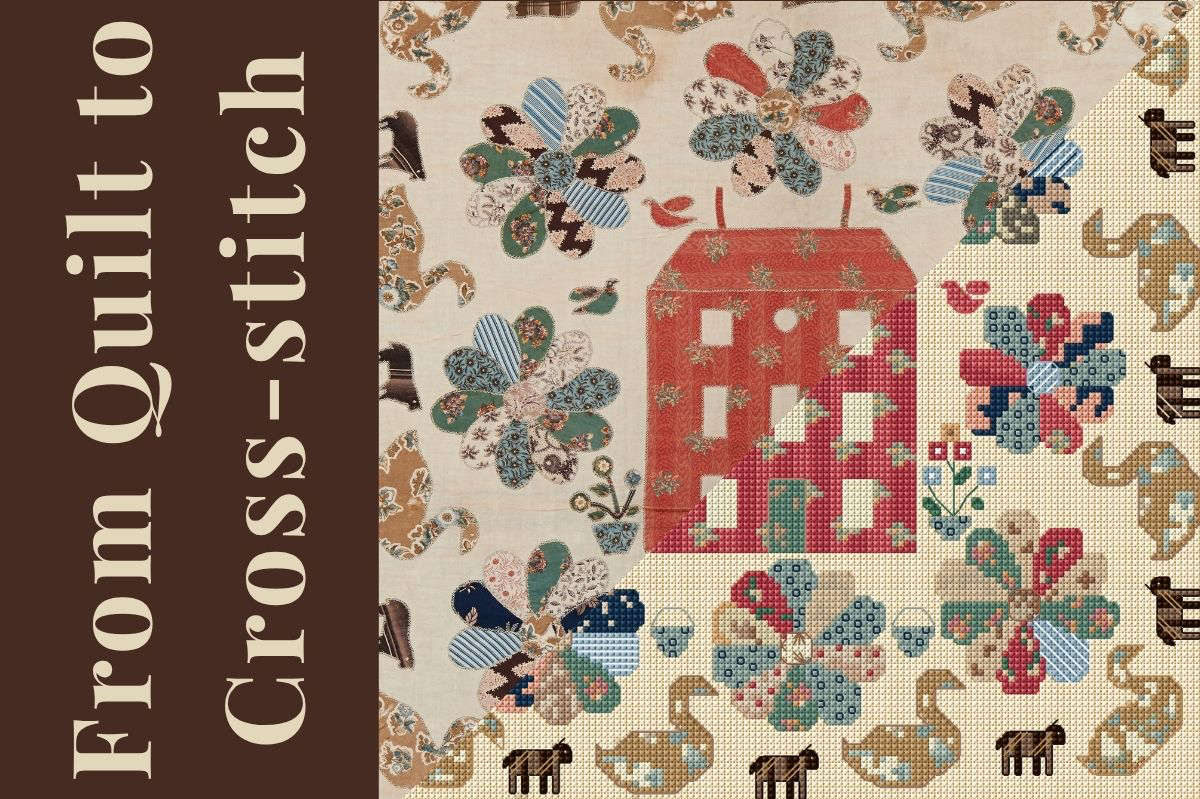
Discover how treasures from The Quilt Collection are being reimagined as cross-stitch and tapestry patterns, bringing historic textiles to today's stitchers.
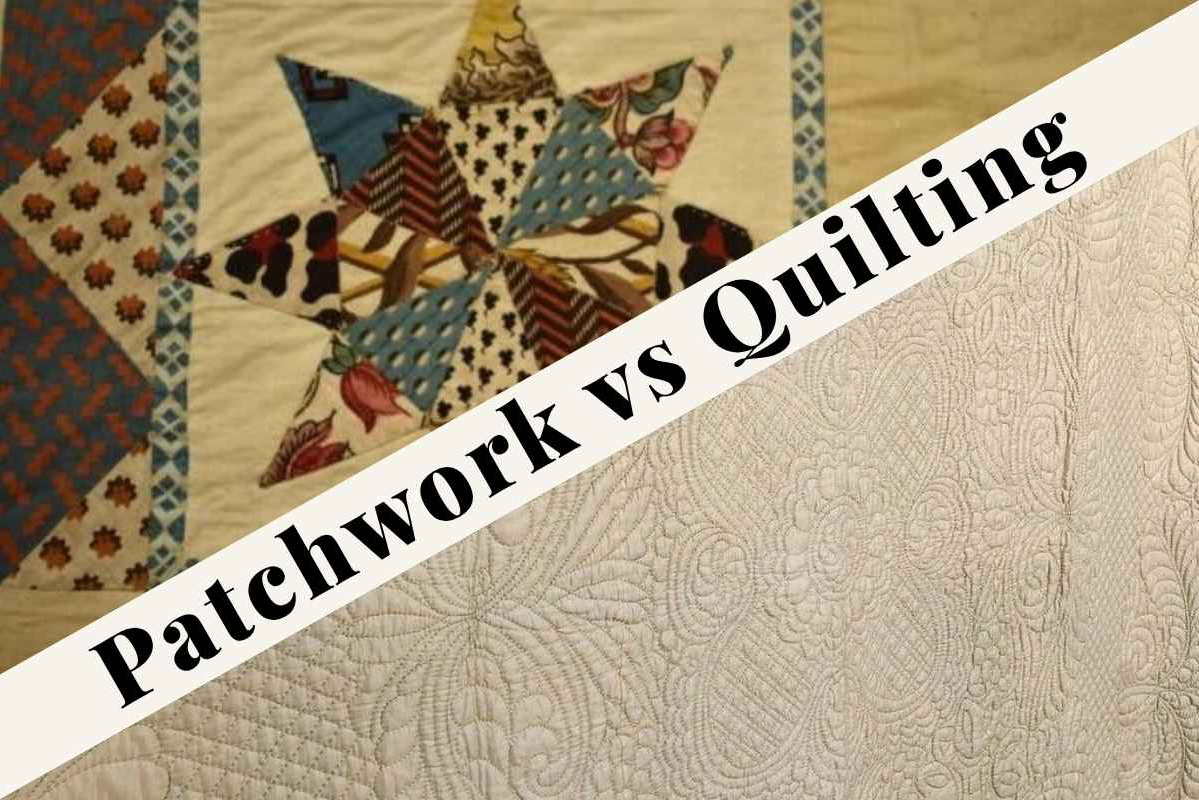
What's the difference between patchwork and quilting? Discover how patchwork, quilting and appliqué differ, with examples from The Quilters' Guild Collection.
Find quilting teachers and speakers offering online and in-person talks and workshops. Discover opportunities to learn, improve your skills and share your passion.
