Unfortunately, we don't support Internet Explorer anymore as it has been replaced by Microsoft Edge.
Please try downloading Microsoft Edge or an alternative modern browser for the best experience.
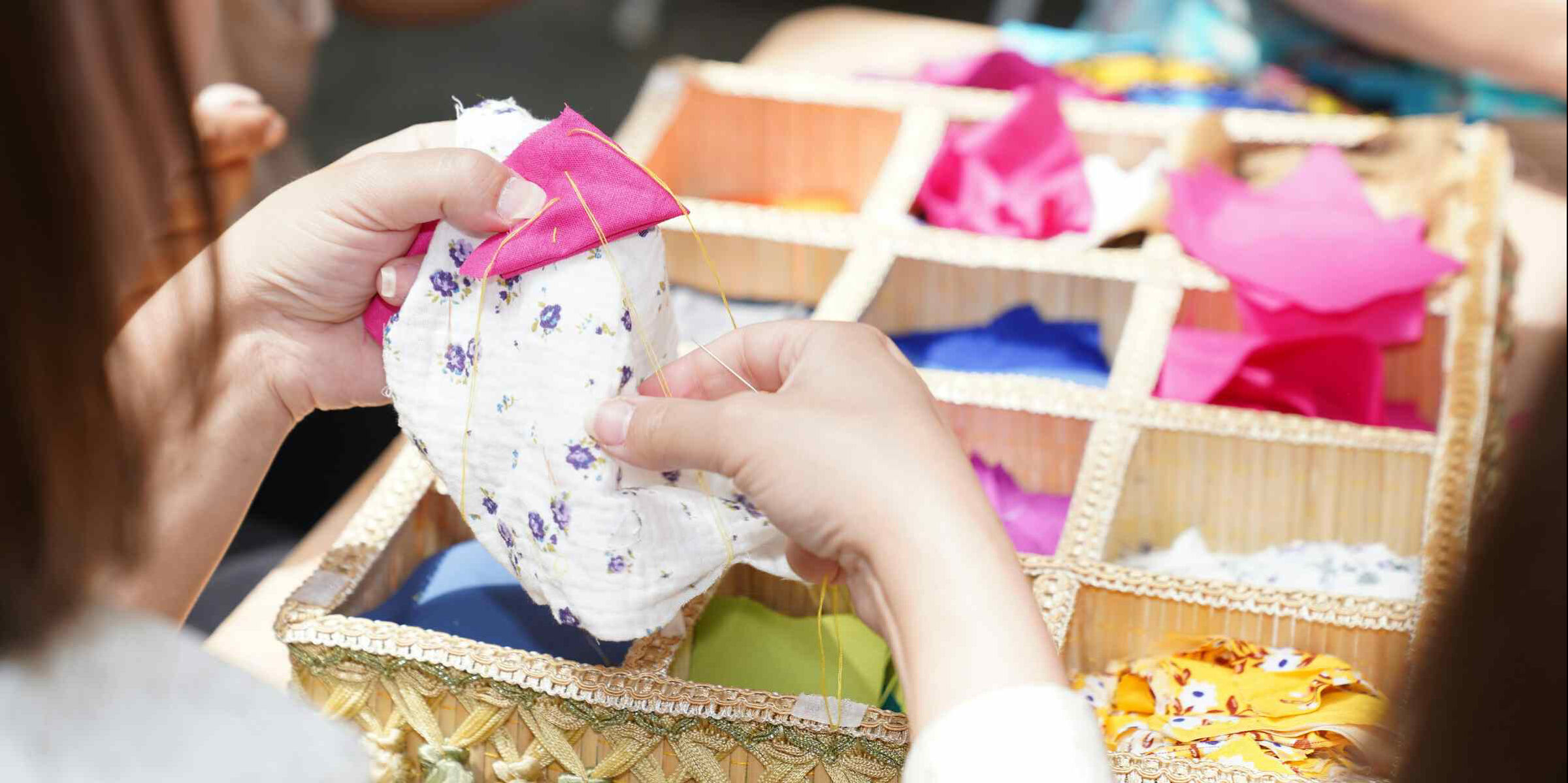
You don’t need a large setup or dedicated space. A small sewing kit - needle, thread, fabric, and scissors - is enough to get started.
Everything can be easily stored in a box or bag, ready to be picked up whenever you have a spare moment.
Rather than committing to a large project, begin with something you can complete in stages. Small patchwork squares, simple blocks, or even individual stitched samples allow you to build confidence gradually.
This reflects how many quilts were historically made—one piece at a time, over weeks or months.
Interested in recreating one of our historical quilts? Read all about the original here, and if you fancy making an EPP lap quilt inspired by the Ridehalgh Quilt (1860-1890), you can shop the kit here.
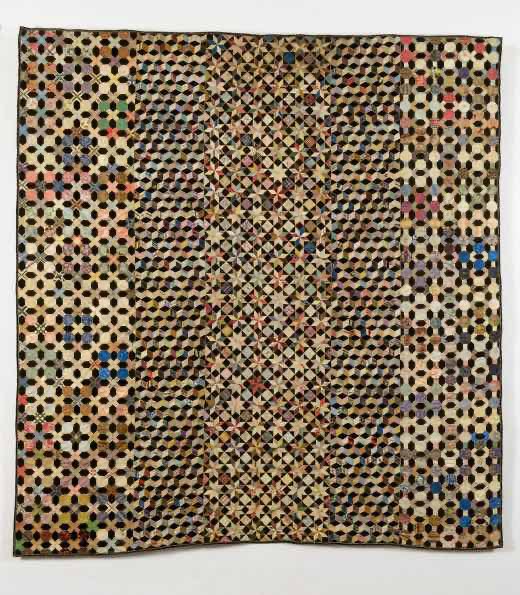
Ridehalgh Quilt (1860-1890)
Hand quilting lends itself to a slower rhythm. It can be worked in short bursts—an evening, a quiet half hour, or a few stitches between other tasks.
There is no need to rush. Progress is measured in stitches, not speed.
One of the strengths of hand stitching is its flexibility. It can sit comfortably alongside family life, work, and other responsibilities.
A project can travel easily - from a chair at home to a bag for a journey - making it possible to stitch whenever time allows.
The repetition of hand stitching encourages focus and calm. Many quilters find that this slower approach offers a sense of pause within a busy day.
Like those who stitched before us, the process becomes as valuable as the finished quilt.
Irregular stitches, slight variations, and small imperfections are all part of the process. Historic quilts often carry these marks, reminding us that skill develops over time.
What matters most is beginning - and continuing.
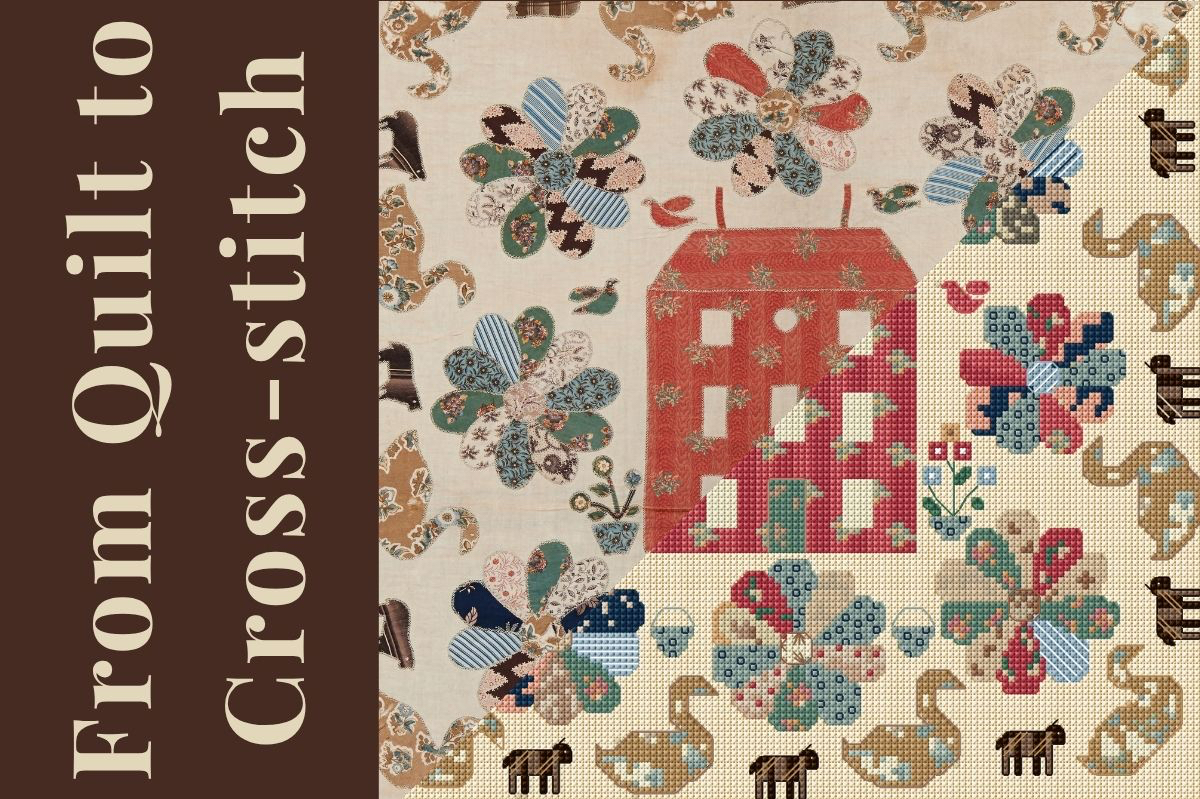
Discover how treasures from The Quilt Collection are being reimagined as cross-stitch and tapestry patterns, bringing historic textiles to today's stitchers.
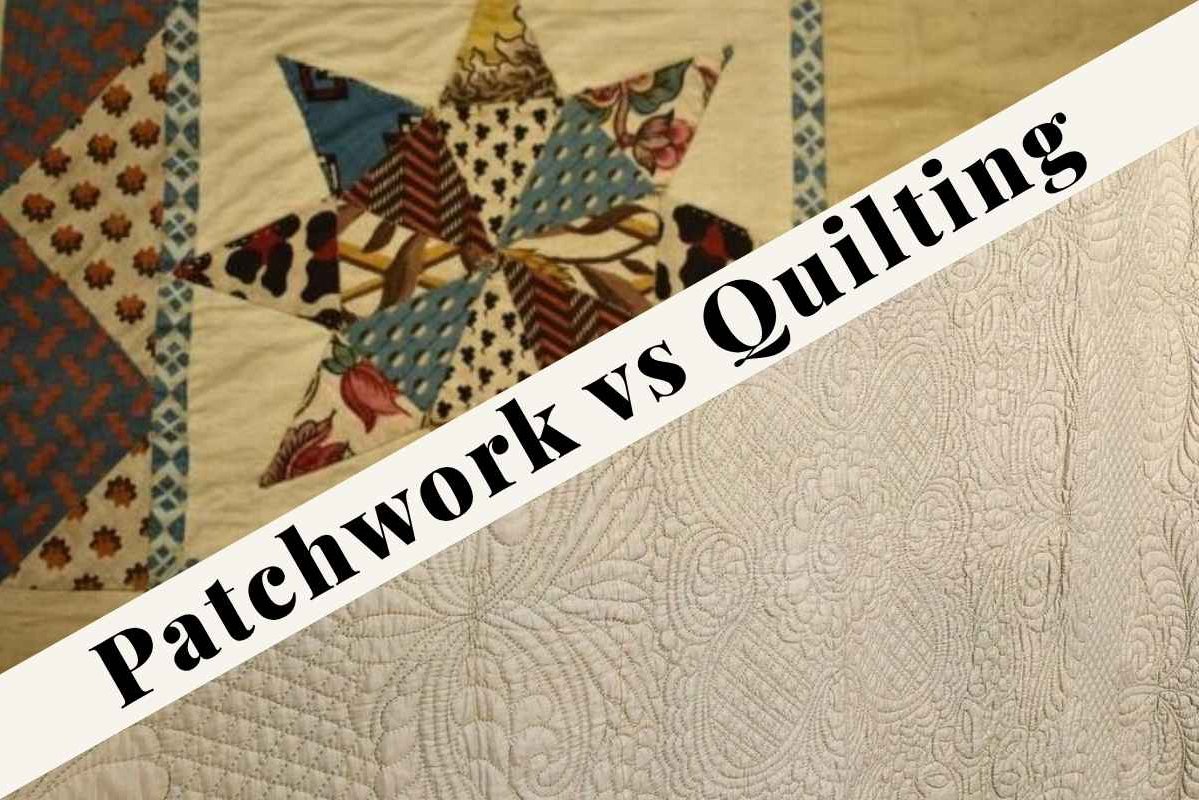
What's the difference between patchwork and quilting? Discover how patchwork, quilting and appliqué differ, with examples from The Quilters' Guild Collection.

Find quilting teachers and speakers offering online and in-person talks and workshops. Discover opportunities to learn, improve your skills and share your passion.



