Unfortunately, we don't support Internet Explorer anymore as it has been replaced by Microsoft Edge.
Please try downloading Microsoft Edge or an alternative modern browser for the best experience.
In this fascinating article guest blogger Fran Woodgate poses the question, 'Whatever Happened to Smocking?'.
In her instructional book ?Sewing? from 1979, Ann Ladbury describes smocking as ?a decorative and practical way of arranging fullness. The word smock derives from Old English 'smoc' meaning a chemise, or loose shirt. Later this working garment was gathered to allow room for movement, and it became customary to work decorative stitching on the gathers.? The decorative stitching uses the rhythm of the gathers to create repetitive designs such as diamonds and ornamental motifs such as flowers can be applied at the intersections in the designs. By using different colours and weights of embroidery threads, the stitching takes on a unique character, either to compliment or contrast with the fabric it is embellishing.
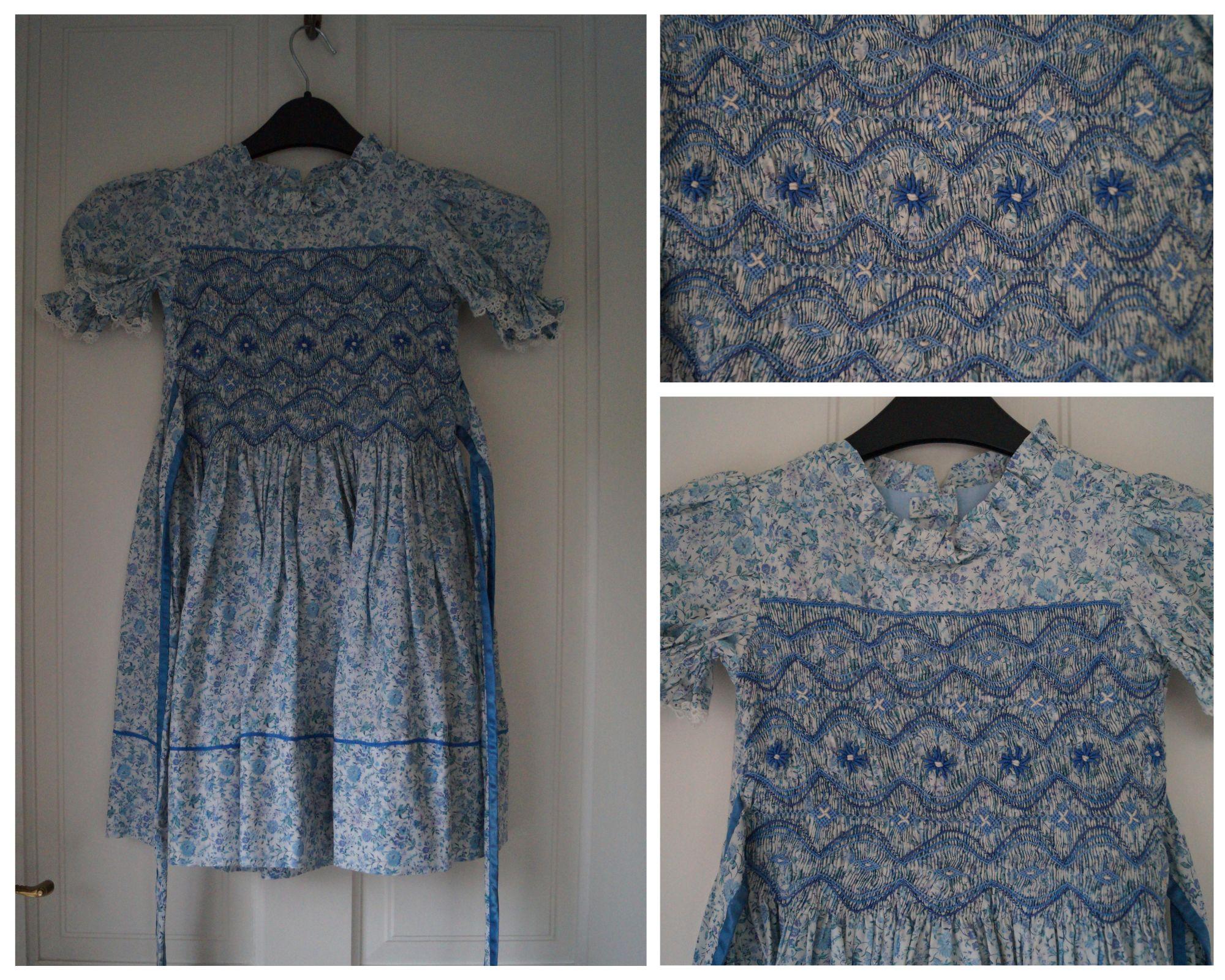
Dress made in the 1980s by Avril Armitage-Smith. Images by Fran Woodgate.
My mother made and smocked a handful of dresses for my sister and I when we were growing up. A particular favourite of mine was the bridesmaid dress Mum made for me, as shown in above. It has such a pretty cornflower blue floral print with short puff sleeves and a matching waistband embellished with blue ribbon. Liberty of London floral fabrics were the classic choice for smocked dresses, and the dresses in pretty Tana Lawn prints have a timeless quality about them. Smocked dresses were our ?Sunday Best? and special occasion frocks until we reached about age 10, at which point the size of our dresses required much more fabric, and the amount of work required increased, which meant making them became too expensive and onerous.
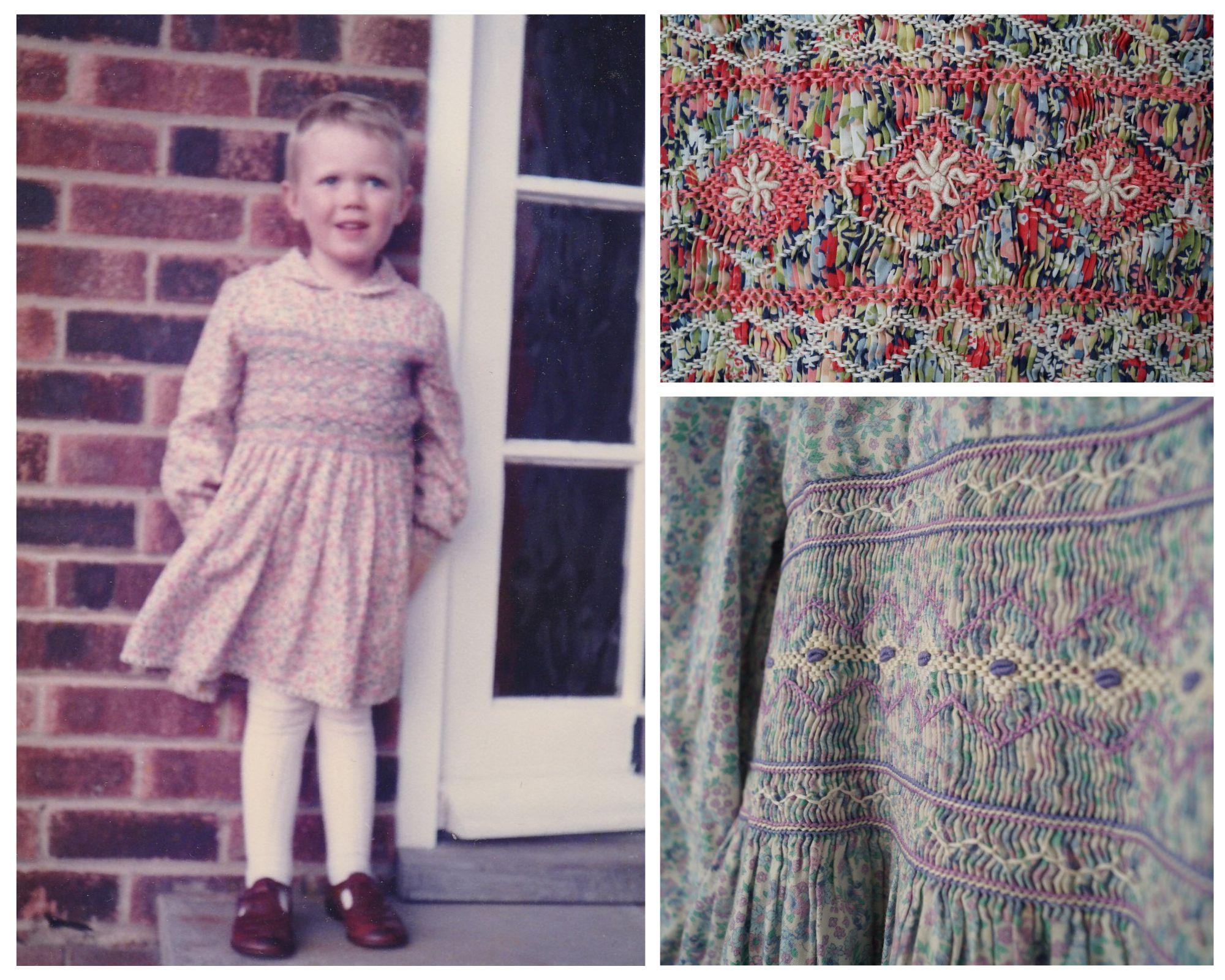
All dresses featured made in the 1980s by Avril Armitage-Smith. Images by Fran Woodgate. Image of a young Fran taken by Avril.
In the nineteen eighties smocking was still relatively common. But whatever happened to smocking? It seemed to have passed into obscurity by the nineties.
The fashion trend for using shirring elastic and mass-produced shirred bodices in the eighties took away from the skill of smocking, and then the move from piece work to hourly rates priced smocking out of the market. Factory made clothing was so much cheaper than hand-finished garments. Smocking was one of the most time intensive garment styles, especially with the careful handsewn decorative stitching overlaid on the gathers. It was simply not cost effective for mass production, whereas machine produced shirred fabrics were fast to produce. If you could make your own smocked dress, you were in luck, otherwise, you would have to pay a premium price to buy one from a high-end store.
Smocking was largely overlooked in favour of more modern fashion in the noughties. Increasingly nowadays, girls? smocked dresses are typically upward of £100, which means they are rarely seen except for on young princesses or celebrity children. But there are still people out there producing beautiful, smocked clothing for adults and children alike. Contemporary smocking often focuses more on the pattern of folds and tucks in the fabric than the overlaid embroidery and decorative stitchwork. It is typically plainer than earlier styles of traditional smocking, but nevertheless is legible as a reinterpretation of classic techniques.
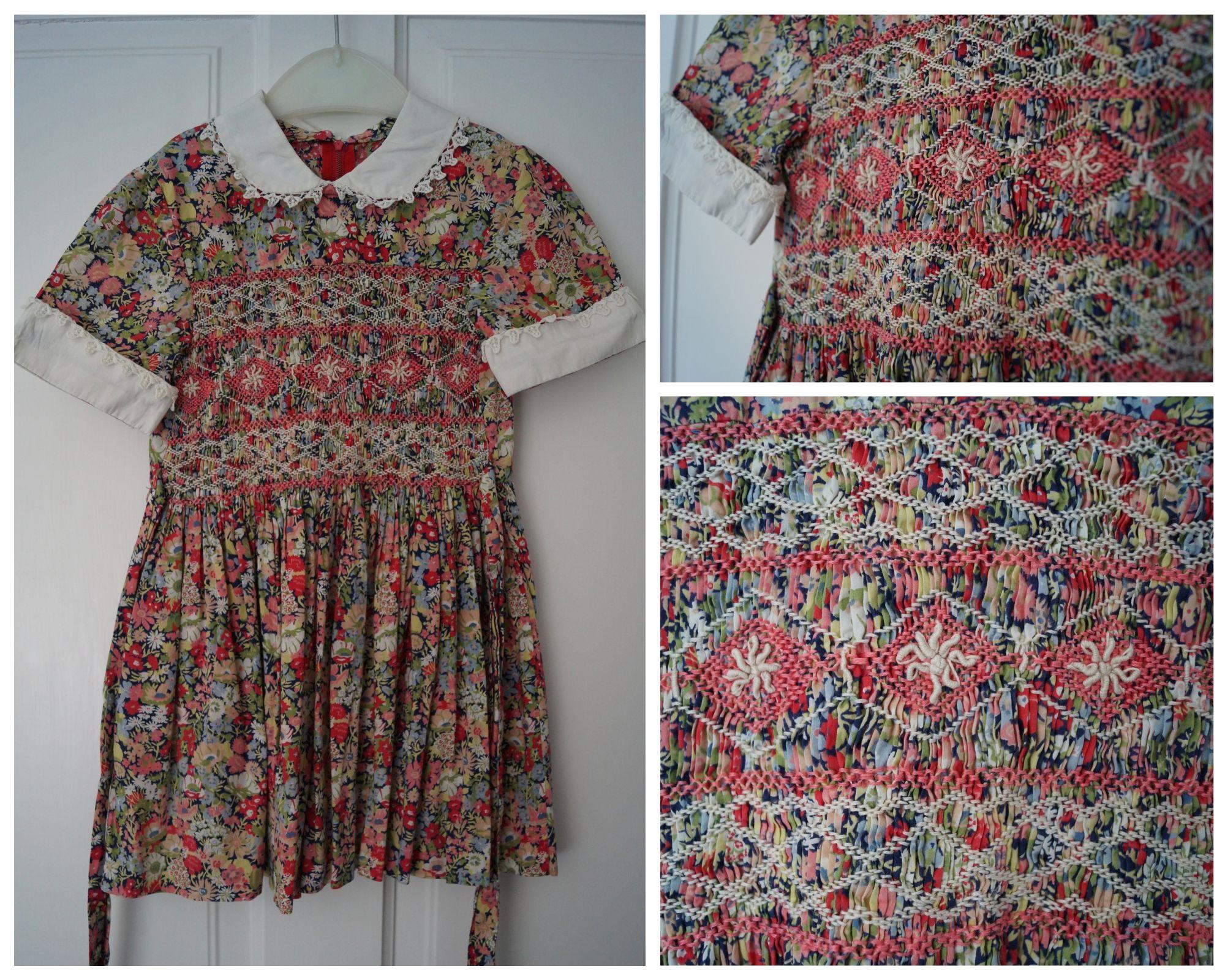
Dress made in the 1980s by Avril Armitage-Smith. Images by Fran Woodgate.
Skills such as smocking deserve to be passed on to the next generation, and future generations, for they can be adapted to current stylistic trends with a little extra creativity. Indeed, in museum collections there are 16th century examples of smocked shirts worn by farm workers, so the classic technique is at least half a millennium old and still going. Smocked garments are classic and timeless, yet smocking can be modern and too. Augmenting smocking with modern fabrics and stylistic tastes keeps it relevant and will help ensure its longevity. It will always be associated with quality, as the smocking technique requires skill, time, and additional amounts of fabric for best results.
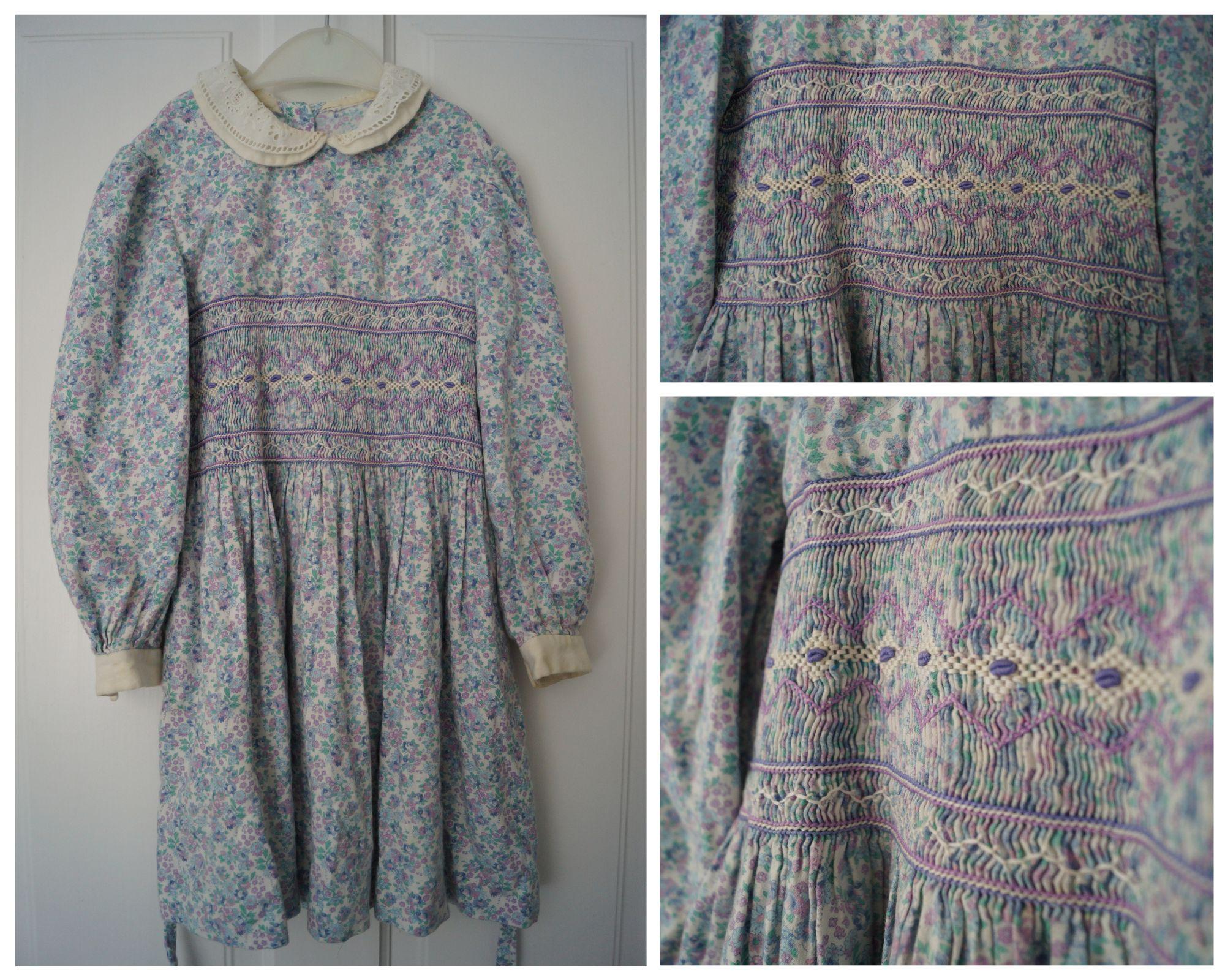
Dress made in the 1980s by Avril Armitage-Smith. Images by Fran Woodgate.
It is certainly a technique I would like to try one day, and it would be special to learn from my Mum. My daughter now fits the smocked dresses Mum made that I used to wear! It?s lovely that smocked dresses can become family heirlooms, just as quilts can too.
It is making me think about the texture some smocked blocks could add to a special quilt, cushion or runner?
Or how a smocked garment could be constructed from different blocks like a patchwork quilt?
Inspiration can come from anywhere; sometimes just looking into different crafts and creative skills can open up a whole new range of ideas. Can our quilting work be enriched by using techniques from other crafts? Absolutely. Crafts such as smocking, screen printing, ceramics, woodworking, decoupage, lithography, photography? can all offer up inspiration.
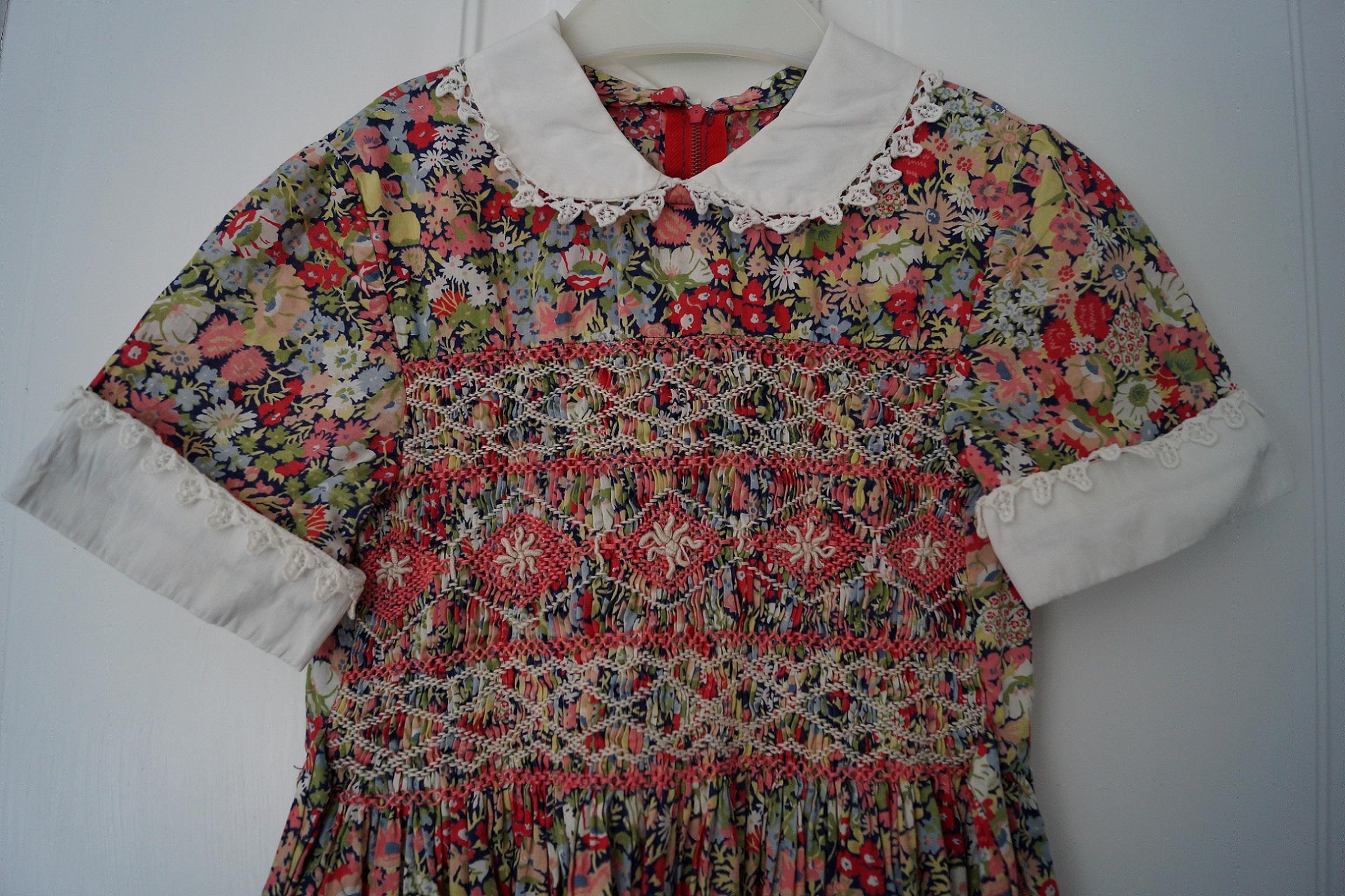
Dress made in the 1980s by Avril Armitage-Smith. Image by Fran Woodgate.
Materials, colours, patterns, textures, stitching, loft all combine to create unique quilts. A lot of those features of quilts cross over with other crafts. Slow stitching has had a recent renaissance with boro, sashiko and visible mending trending on social media, and smocking overlaps with that. I hope some of you may feel compelled to rummage through your collection of old clothes to have a look at smocked garments and admire the hand finishing that makes them special. Or even feel inspired to have a go creating some!
Fran Woodgate is a Guild member and quilt pattern designer.
You can find her at www.flowstudiodesigns.co.uk or follow her on Instagram @flowstudiodesigns

Struggling with machine quilting? Learn how to fix 5 common problems, including skipped stitches, puckering, tension issues, thread breakage and bulky quilts.
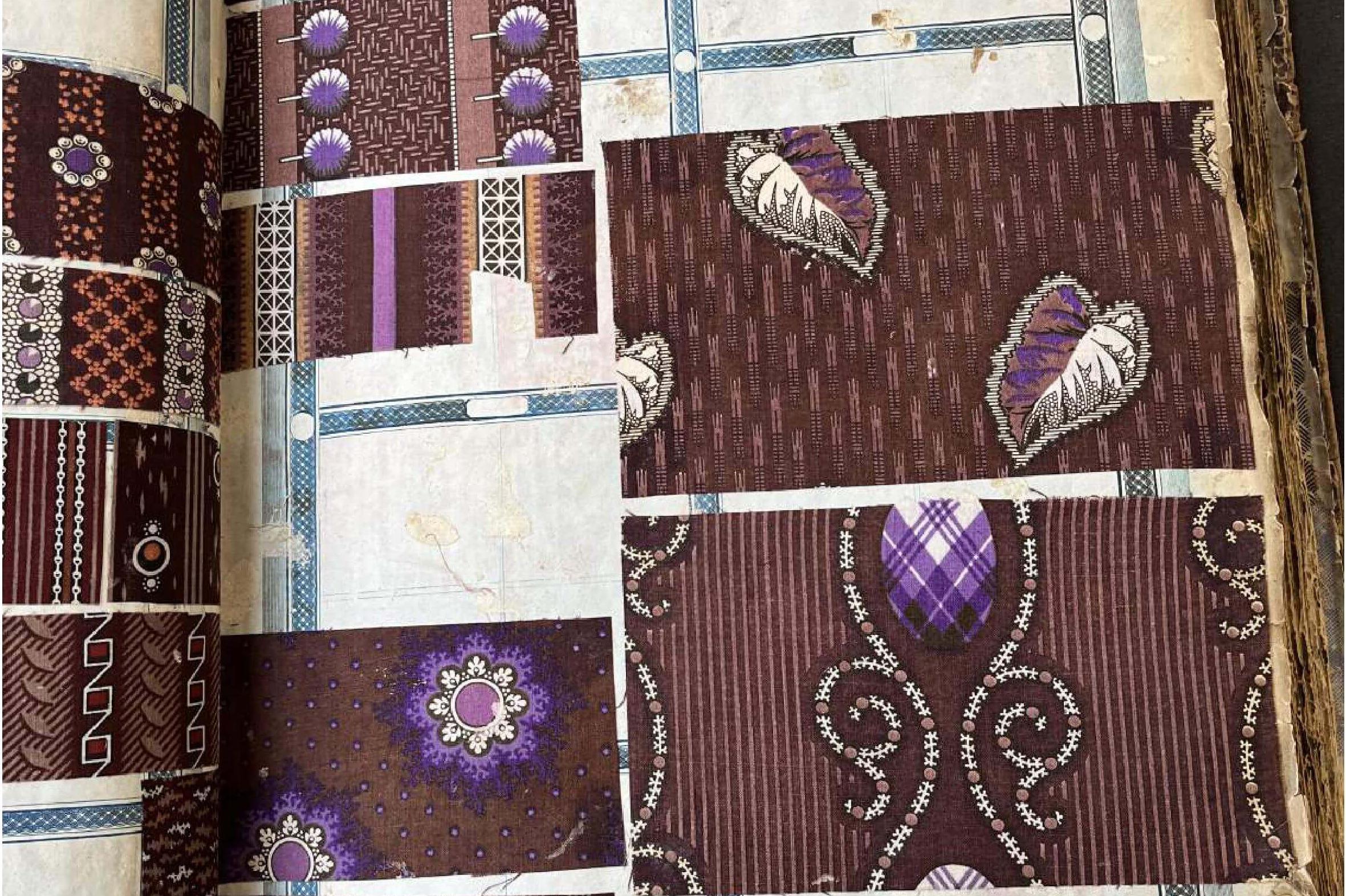
The British Quilt Study Group (BQSG) is a special interest group for Guild members interested in the history of British patchwork and quilting. They recently visited the Manchester Metropolitan University Special Collections Museum, where they examined pattern books and 'recipe' books for dyes dating back to the 1800s. These books are essential for dating historic quilts, which often lack signatures or dates. Understanding fabric printing history helps them establish the age of anonymous quilts.
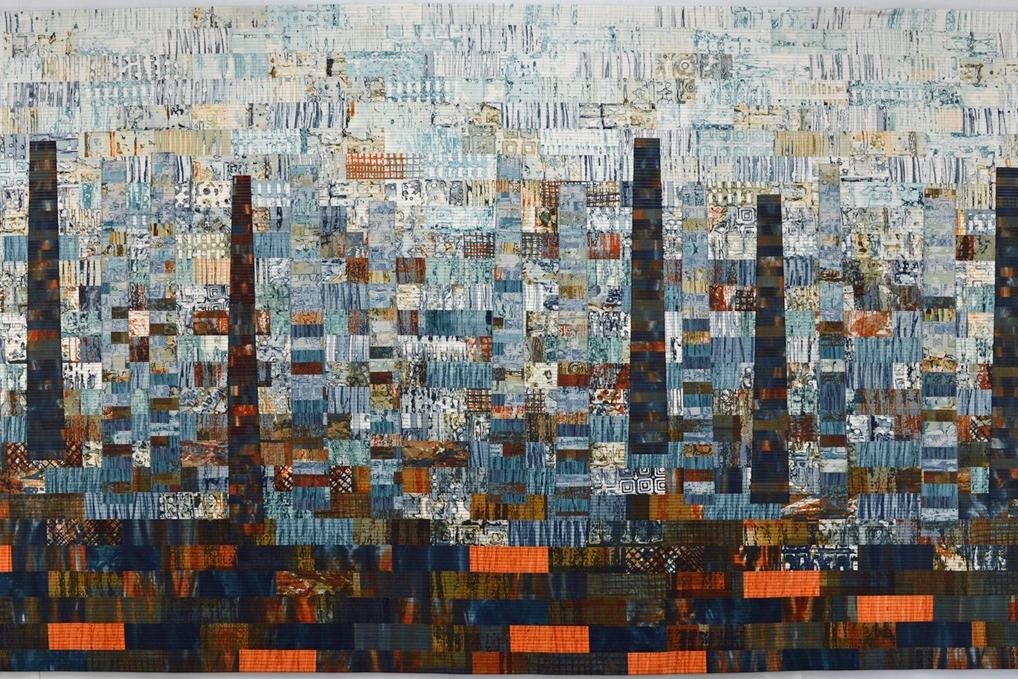
We talk to Leah Higgins about her quilting journey, favourite techniques, inspirations and proudest moment. You can read a full interview with Leah in the winter edition of 'The Quilter', our membership magazine.
