Unfortunately, we don't support Internet Explorer anymore as it has been replaced by Microsoft Edge.
Please try downloading Microsoft Edge or an alternative modern browser for the best experience.

Most machine quilting problems trace back to 3 things: the needle, the thread path and the basting. Check those before anything else, and you will solve the majority of frustrations before they take hold, leaving you with more time at the machine doing what you set out to do - quilting! But, if those checks don't work, read on for more troubleshooting ideas! The Sewing Studio is a family-run business with over 40 years of experience based in Cornwall. Darius Navai shares 5 common problems and how to solve them.
1. Skipped Stitches:
Provided the machine is in good working order and correctly threaded with a suitable thread. The usual culprit is the needle itself, which may be worn, slightly bent or simply the wrong type for the fabric being stitched.
Start by fitting a fresh quilting or universal needle matched to your thread weight. Get into the habit of changing needles after around eight hours of quilting, even when they look fine. Sewing machine needles can present a minefield of options. In our experience, a standard universal, quilting or denim Schmetz needle in size 11–14 is all you will need.
2. Puckered Seams and Fabric:
Puckering appears when the three layers of your quilt feed through the machine at different speeds, or when the sandwich was not basted firmly enough to begin with.
The solution starts before you even reach the machine. One or a combination of the following is often the best place to start. Baste more densely than feels necessary pinning every 7 to 10 cm.
A walking foot makes a real difference, feeding the top layer in time with the feed dogs so all three layers move together. Adjusting the presser-foot pressure on your machine can also help the layers travel evenly so test different foot pressure settings if necessary.
3. Uneven Tension:
Tension problems show themselves as loops, dots of bobbin thread on the top surface, or a row of stitches that looks tidy on top and untidy underneath.
Before making any changes to the machine, make a test sandwich from the same fabrics and wadding as your project. Rethread the machine fully with the presser foot raised, so the thread seats properly in the tension discs, then stitch a line and look at both sides.
- Bobbin thread showing on top means the top tension is too tight, so lower it slightly.
- Top thread showing underneath means the top tension is too loose, so raise it a little.
Adjust in small steps and test after each change. Keep that sandwich beside the machine, because every fabric and wadding combination behaves a little differently.
If all fails, it's often best to call on a good local sewing machine engineer, as the fix can be complicated to carry out at home without experience.
4. Thread Breakage:
When thread keeps snapping mid-seam, the cause is usually tension set too tight, a needle eye too small for the thread, old or brittle thread or a burr on the needle plate or hook tip.
If the thread is shredding or skipping stitches, the problem may be the timing or the gap between the hook and needle. Straight stitching with the needle set far left, far right or centre can sometimes help, though ultimately the machine is best booked in for a service if this is the cause.
Rethread the top and bobbin from scratch first, as a thread that has slipped out of its path is the most common cause of all. Check that your needle size matches the thread weight, then wind your bobbins evenly using the correct type for your machine.
5. How to Manage a Large Quilt on a Domestic Sewing Machine
The sheer weight of a large quilt is a problem in its own right. If the quilt hangs off the edge of your table, it drags against the needle, distorting your stitches and tiring your arms.
Support the full weight on the table or on an ironing board placed beside you, then roll or concertina the section you are not quilting so it fits through the machine. Working from the centre outwards keeps the bulk moving away from you rather than gathering in the throat space.

Struggling with machine quilting? Learn how to fix 5 common problems, including skipped stitches, puckering, tension issues, thread breakage and bulky quilts.
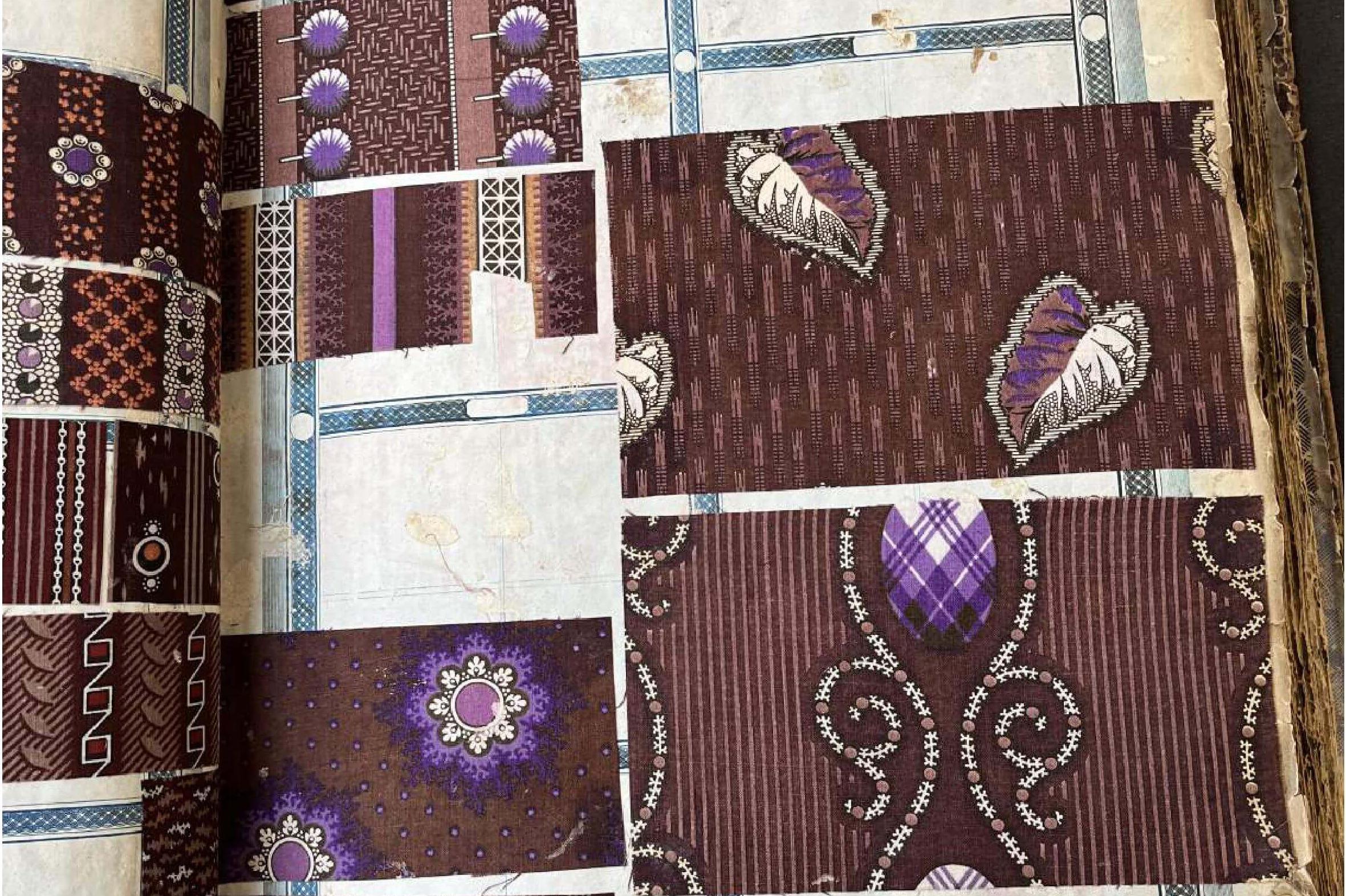
The British Quilt Study Group (BQSG) is a special interest group for Guild members interested in the history of British patchwork and quilting. They recently visited the Manchester Metropolitan University Special Collections Museum, where they examined pattern books and 'recipe' books for dyes dating back to the 1800s. These books are essential for dating historic quilts, which often lack signatures or dates. Understanding fabric printing history helps them establish the age of anonymous quilts.

We talk to Leah Higgins about her quilting journey, favourite techniques, inspirations and proudest moment. You can read a full interview with Leah in the winter edition of 'The Quilter', our membership magazine.



