Unfortunately, we don't support Internet Explorer anymore as it has been replaced by Microsoft Edge.
Please try downloading Microsoft Edge or an alternative modern browser for the best experience.
Angela Daymond reflects on how stitching has helped her adapt to life with a spinal cord injury.
This feature first appeared in the Autumn 2020 (issue 164) of ?The Quilter?, the quarterly member only publication of The Quilters? Guild of the British Isles.
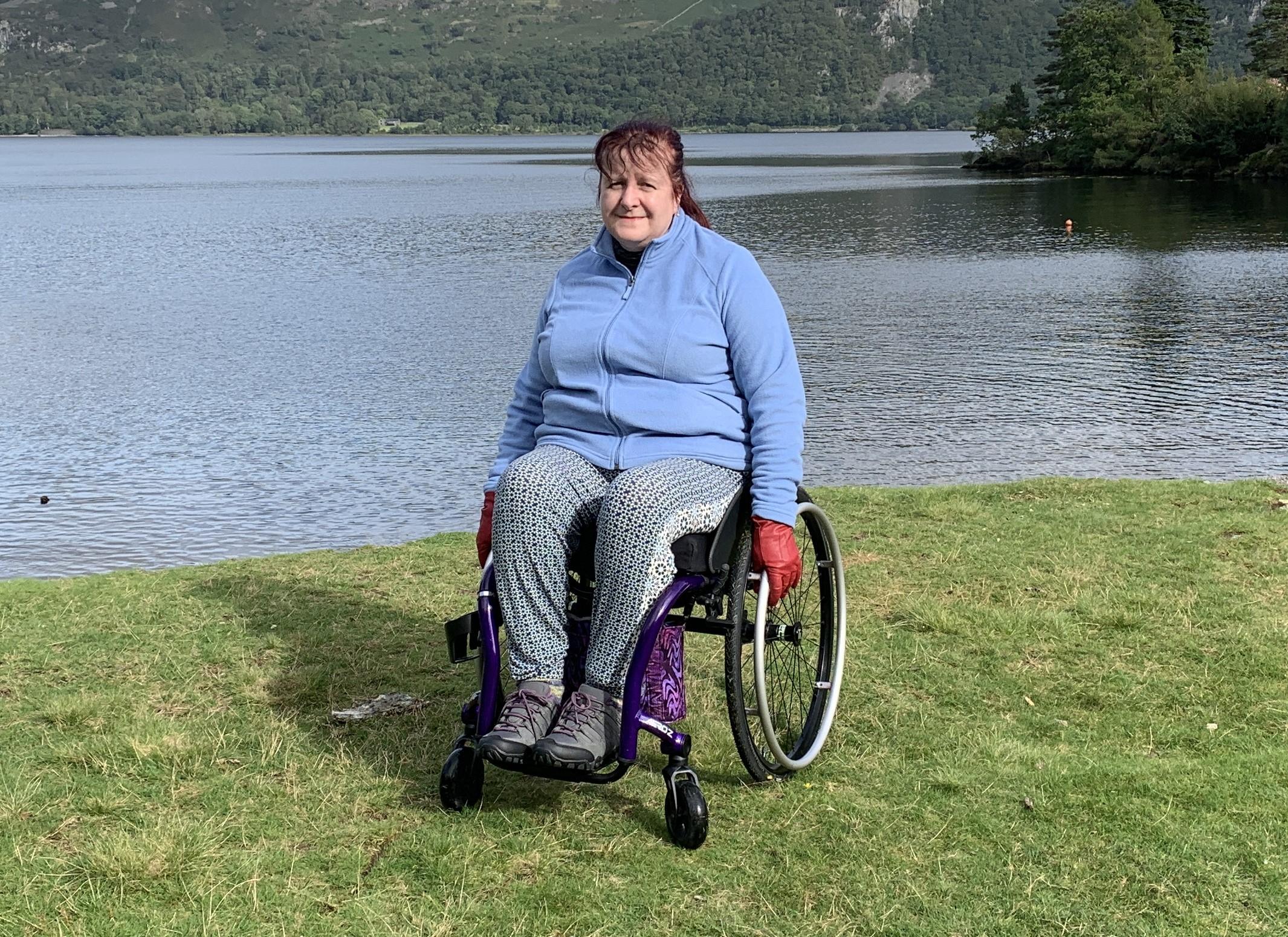
Angela Daymond.
We quilters are all part of a unique club, with members too many to count worldwide. We enjoy stroking and cutting up fabric and dreaming about our next project. Or maybe we just keep our special fabric in the cupboard, waiting for that elusive perfect project. Perhaps the worry about not achieving perfect points or not being able to do tiny stitches inhibits us from the simple pleasure of patchwork and quilting. I?m a prime example of not knowing what?s around the next corner; I?ve learned the hard way that we should live each day to the full and get the utmost pleasure from our creativity without giving any thought to wobbly seams or lumpy quilting.
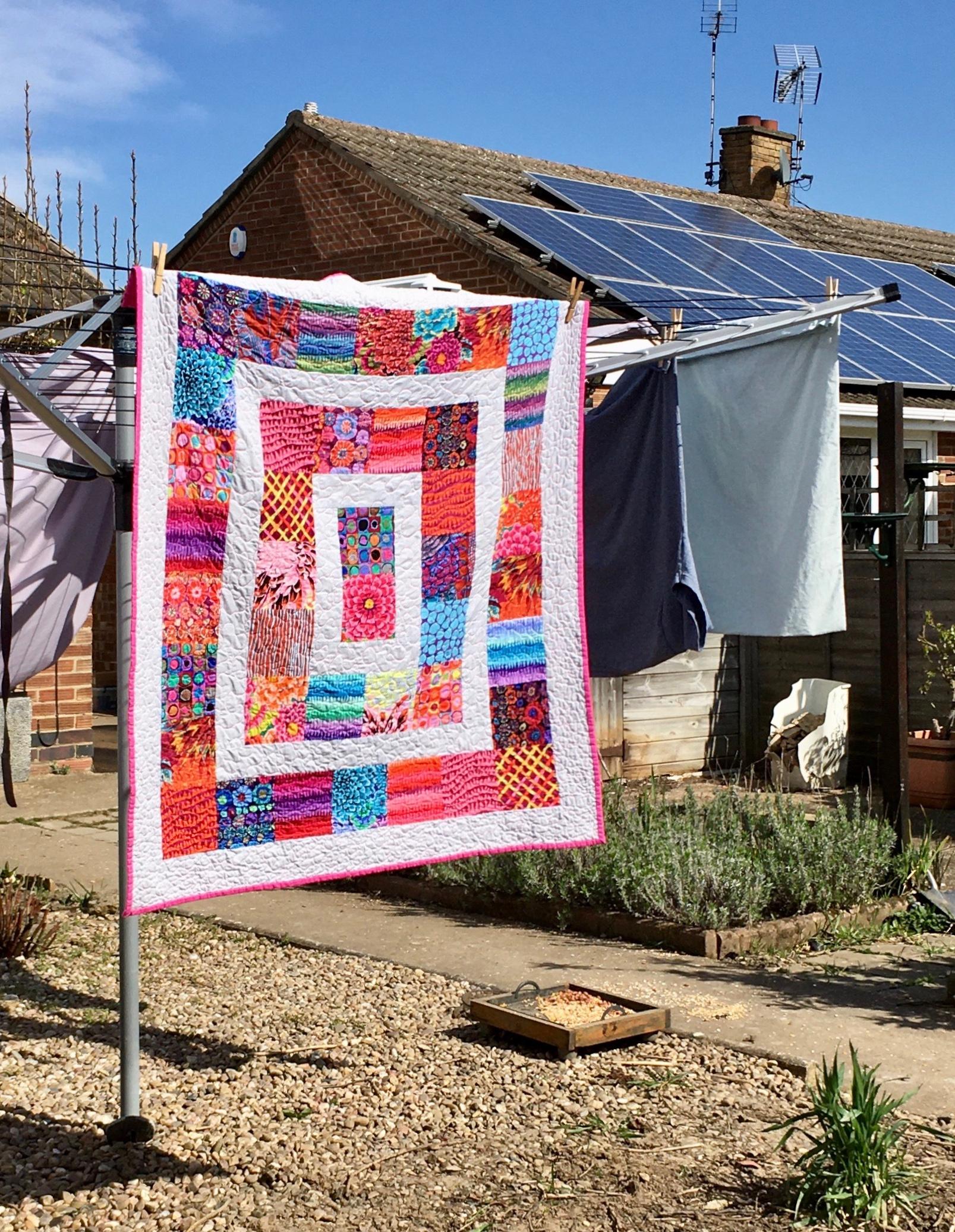
Whilst in hospital Angela received the gift of a charm pack of fabric - this quilt is the result.
What the past couple of years have shown me is that stitching is part of my genetic make-up and as long as I am able, I will always do it. Society makes us believe that things have to be faultless, which is not the case at all. We need to get over the idea of perfection and sew because we enjoy it, because we want to create things and because it can help us in so many ways. Lots of tools encourage us to piece faster or make multiple blocks at a time, but by slowing down we can fully savour the enjoyment of what we are doing.
Injury strikes
I remember 10 September 2018 very clearly. It was a Monday, and I was booked to give a talk that evening. I had hip pain all day and by the afternoon I was clearly not capable of driving and had to cancel. I went to bed early, not realising that I would wake up several hours later unable to move, having suffered a very rare and life-changing spinal cord injury. I had to have emergency spinal surgery and spent many months in a spinal rehabilitation unit in Sheffield, far from my home in rural Lincolnshire.
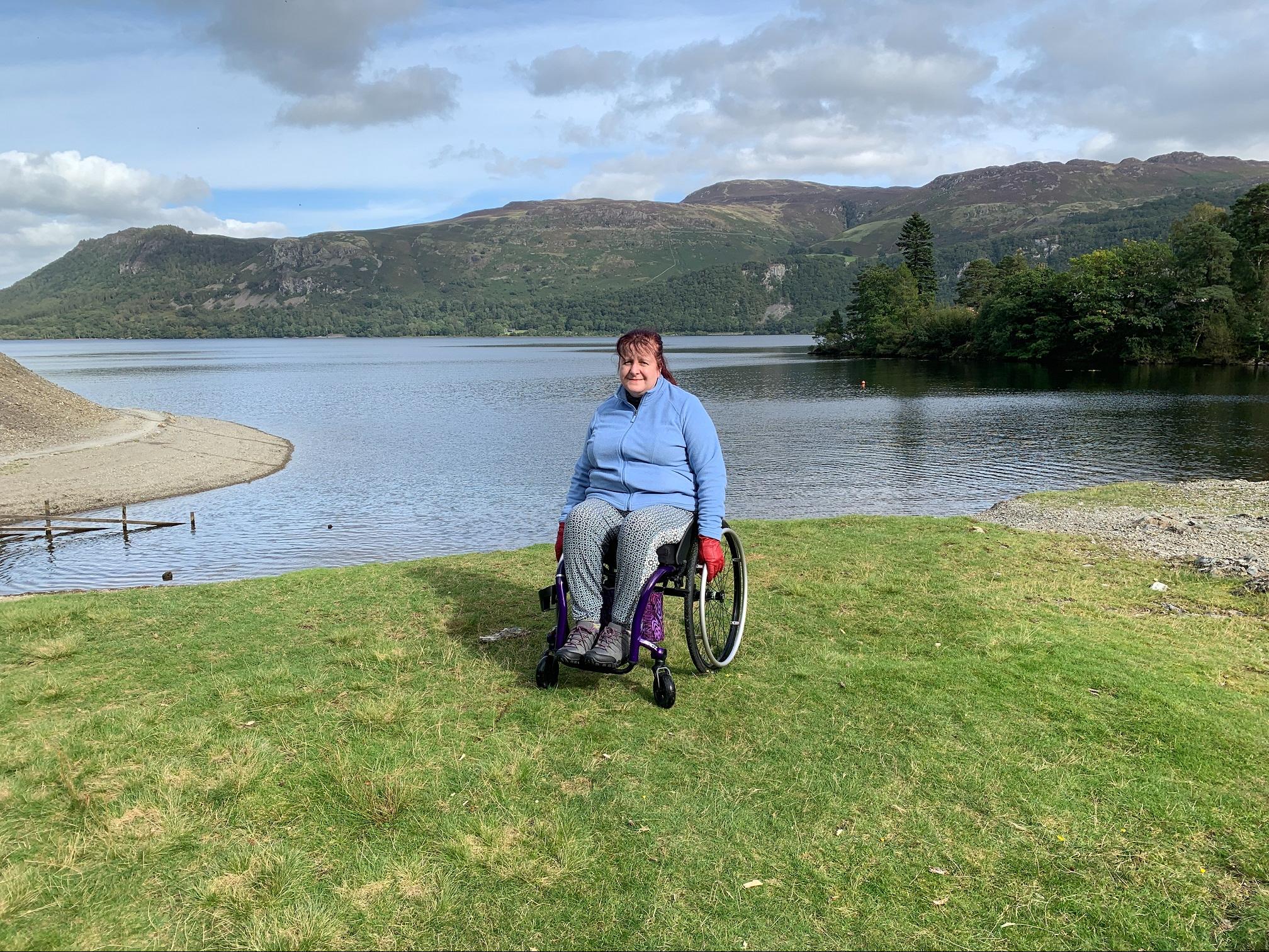
Angela on the shore of Derwent Water. On the first anniversary of her spinal cord injury she took part in an outdoor activity week in the Lake District, organised by the charity Back Up.
One thing I did realise very early on was how lucky I was to still have full use of my hands ? so I was still able to stitch. The simple repetitive movement of passing a needle and thread through fabric became both a beacon of hope and a touchstone of normality for me as I embarked on the long journey of learning to adapt to life with a spinal cord injury.
Early rehabilitation
Over the years prior to my injury, I?d read a lot about how therapeutic sewing can be. So, I knew the theory, but I was still shocked to find myself discovering just how powerful stitching can be as a way of calming down and taking my mind off the pain I was experiencing. The needle and thread doesn?t care how angry or sad you are: I defy anyone to remain angry once they start to stitch ? try it and see!
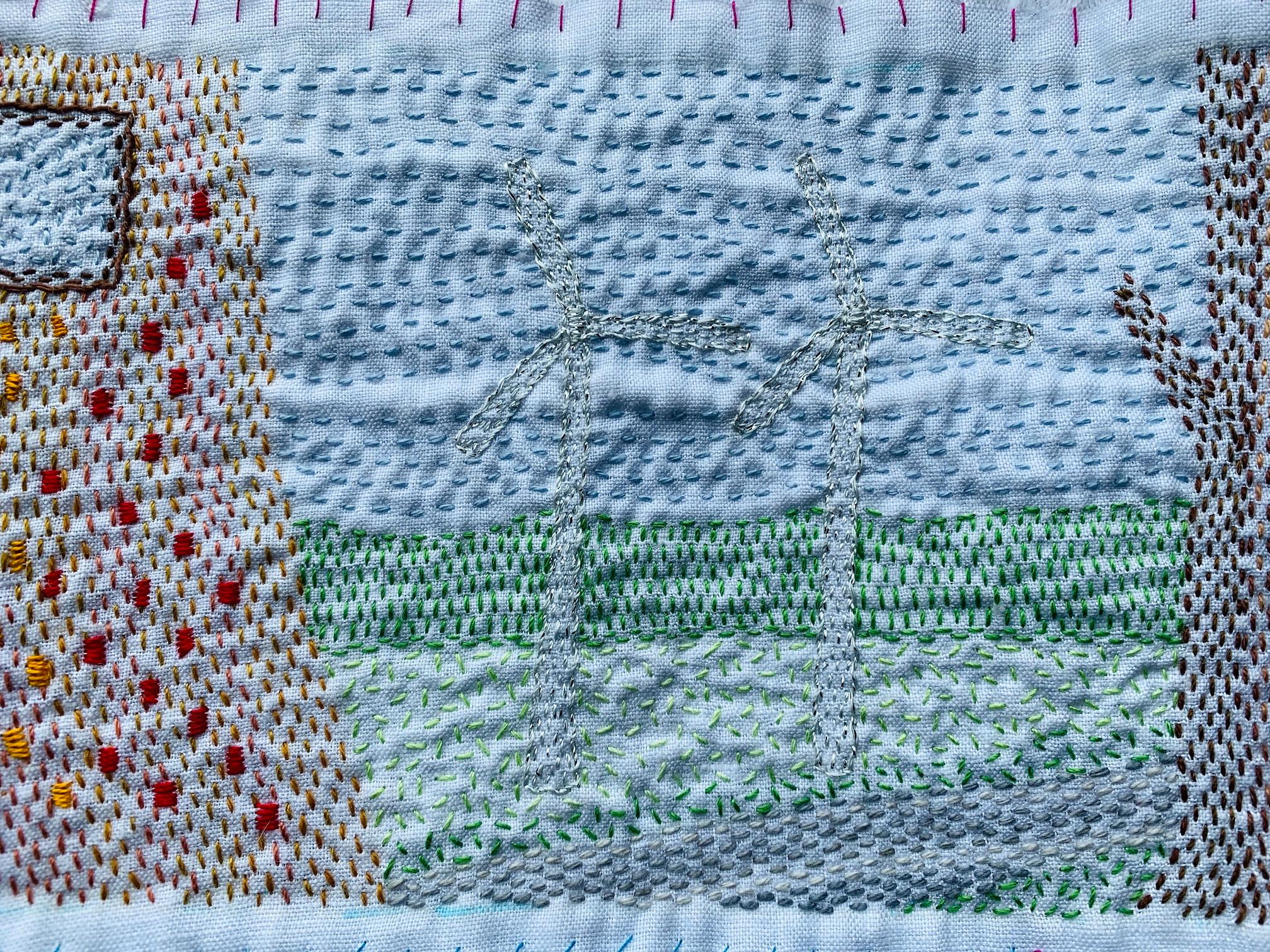
Kantha pieces Angela stitched to preserve her memories of time spent in the Lake District. on the first anniversary of her spinal cord injury. She was taking part in an outdoor activity week arranged by the charity Back Up.
At the Spinal Cord Injuries Centre in Sheffield there was a very active arts and crafts club run by a lovely lady called Sarah. I think it quickly reached her that I stitched, and I agreed to show people in the art/craft club what I did. However, someone looked me up online and discovered I specialise in kantha stitching and natural dyeing. So, I ended up teaching a half-day kantha workshop supported by my occupational therapist; it became a real focus for me. The workshop was open to all patients, family members and medical staff, and some of the patients were wheeled in still in their beds. I also taught Indian block-printing onto calico bags for those without good hand function ? thankfully the nurses didn?t seem to mind fabric paint flying everywhere! I?m still in touch with some of the ladies I met at the rehabilitation unit. I also recall all the wonderful nurses who were interested in what I was doing; they?d come back at the end of a shift to see how much progress had been made. I was also given my first ever quilt whilst in hospital, which was amazing, having given away so many over the years myself. It really became my ?security blanket? whilst I was there, and a real talking point.
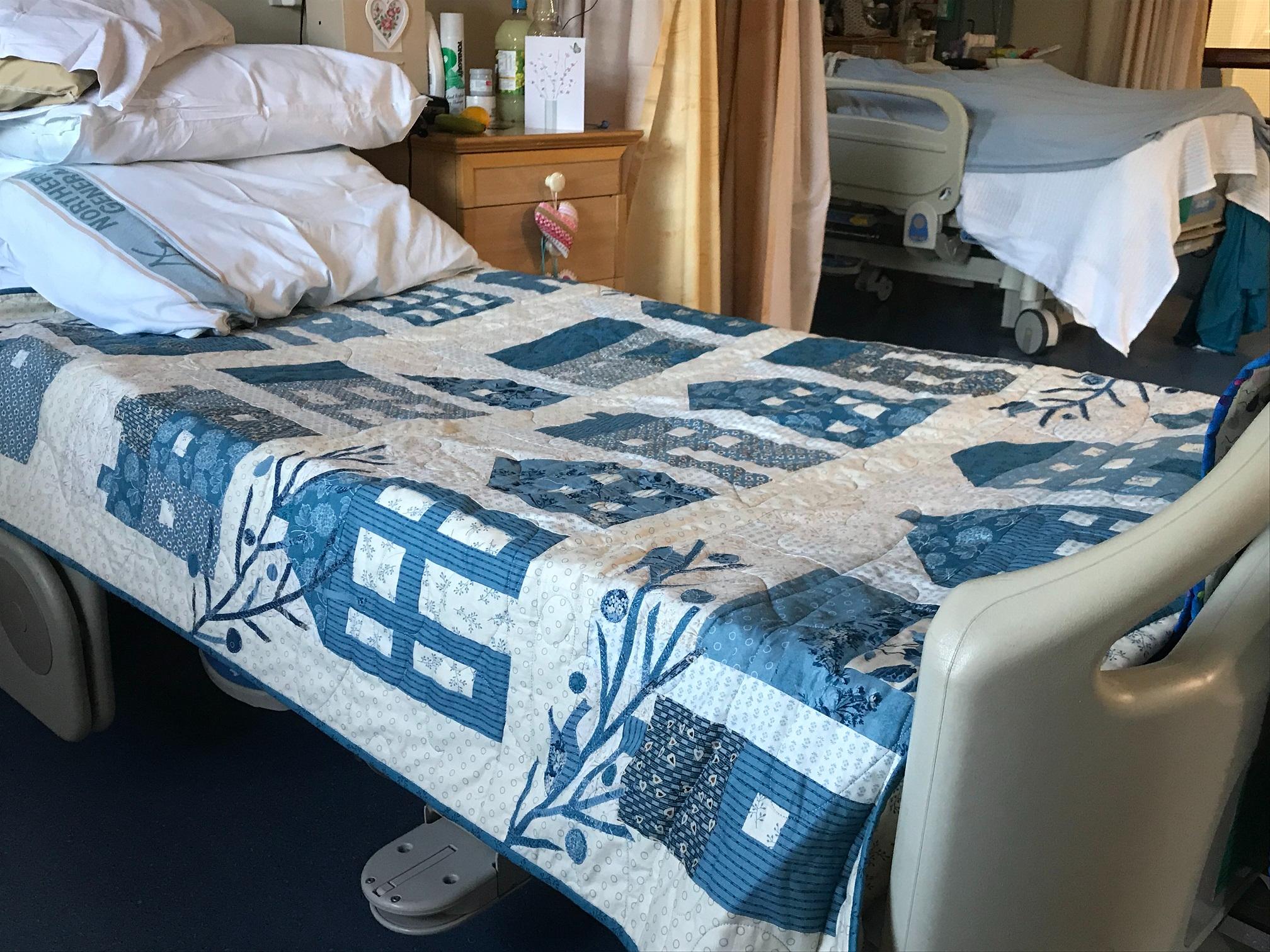
Angela?s bed in the Spinal Cord Injuries Centre in Sheffield. The quilt, the first she?s ever been given, became her ?security blanket? during her time in hospital.
I was determined that the first full-size quilt that I made post-injury would be for Kirsty, the lady who was in the next bed to me at the unit. This was achieved ? with lots of help from friends ? and it was perhaps the most important quilt I?ve ever made. It showed me that I can still use a sewing machine and make a quilt. I might be a little wonkier with the rotary cutter, seams might not be as precisely pressed, but I can still make blocks, join them together and create a quilt.
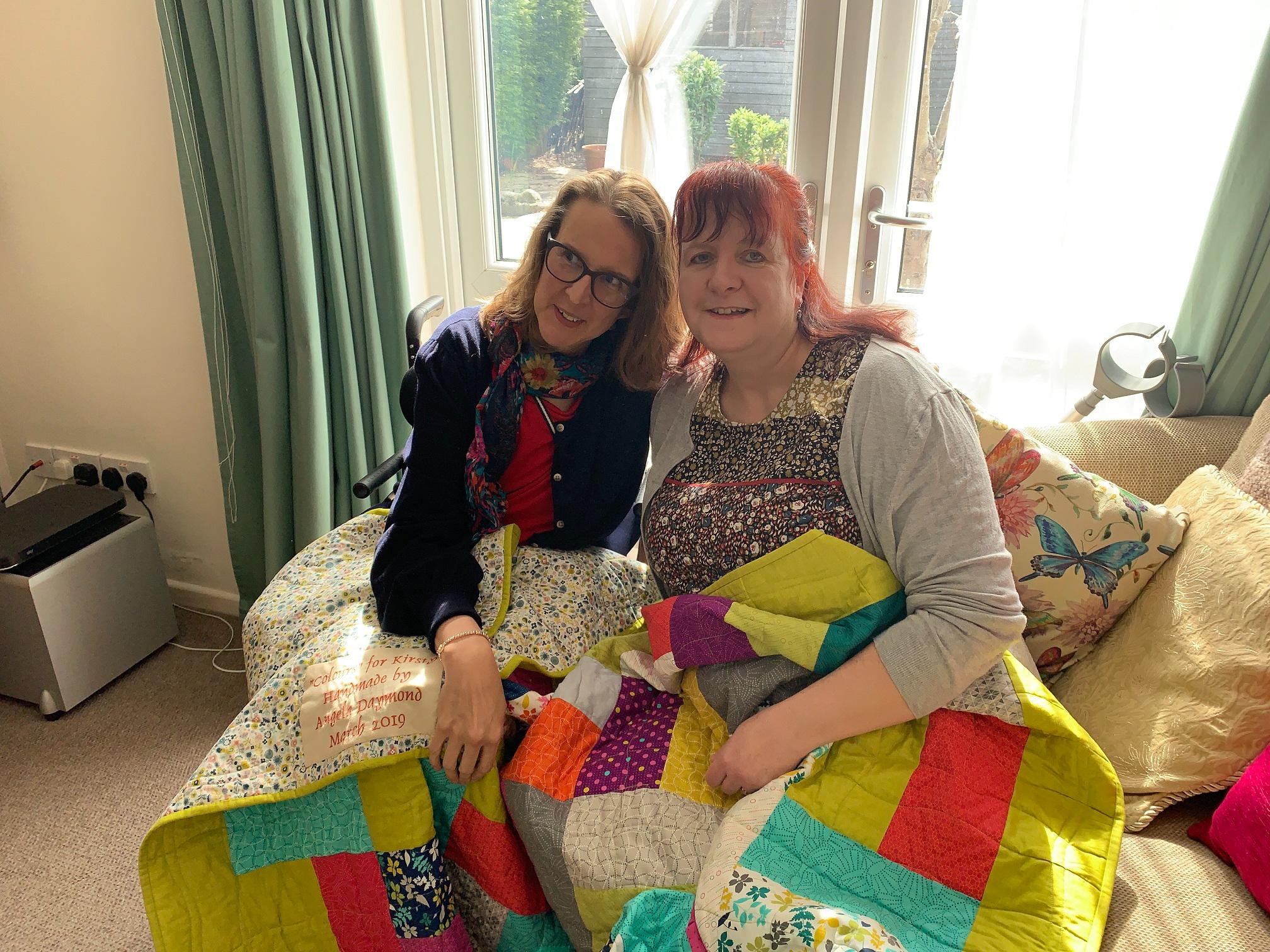
Angela (right) with Kirsty, who was the recipient of this quilt, the first full-size quilt Angela made after leaving hospital.
In fact, the day I went into hospital a new sewing machine arrived at my studio and, needless to say, it stayed in its box for many months. Following a chance discussion at The Festival of Quilts in 2019, a control panel was made for the machine that plugs into the foot pedal port. This panel enables me to control the start, stop, speed and thread-cutter facilities of the machine using my hand rather than the foot pedal, which has made an enormous difference to being able to use it.
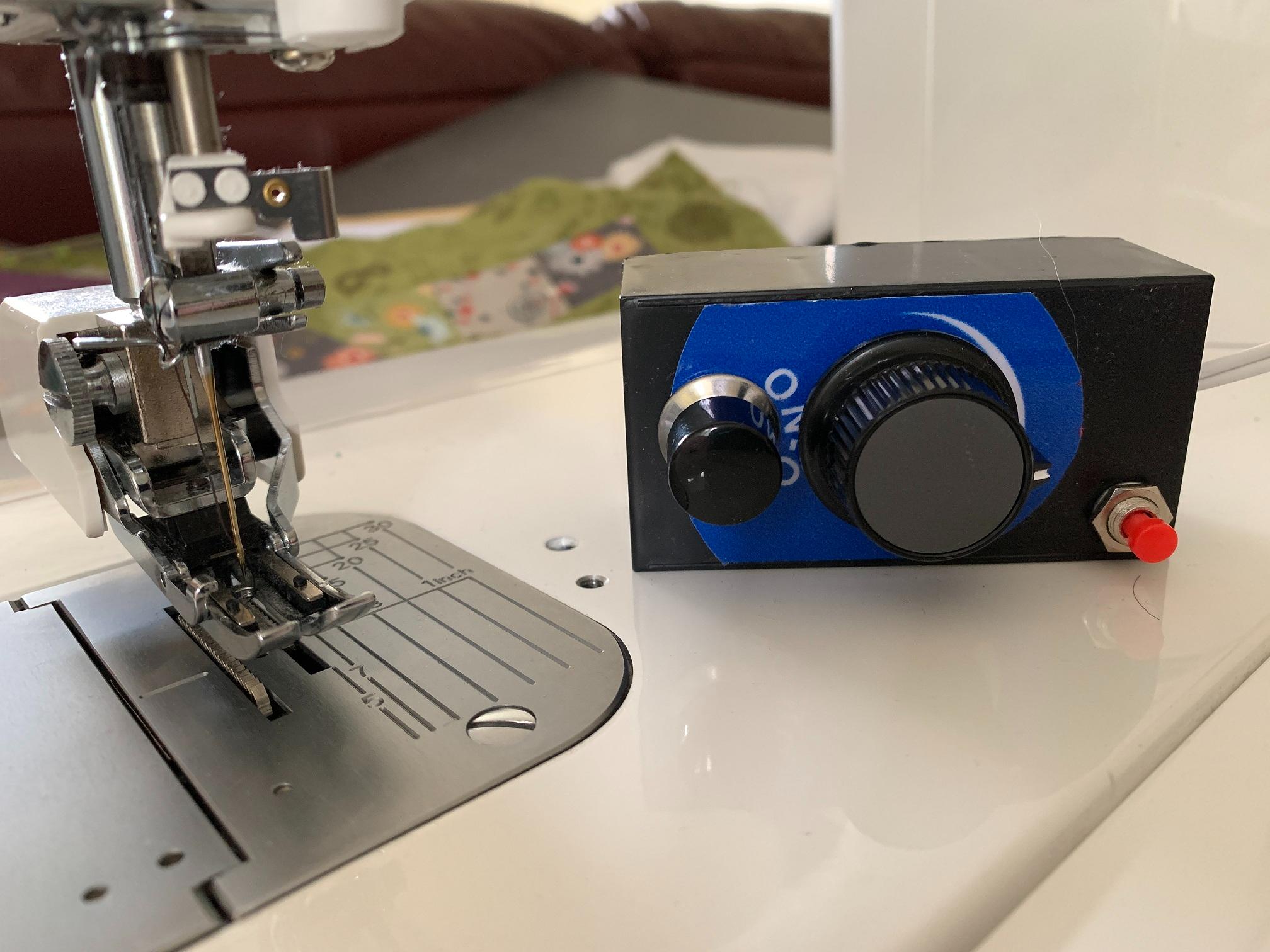
The special control panel that allows Angela to control her sewing machine using her hand instead of the foot pedal.
Back Up support
I spent the first anniversary of my spinal cord injury in the Lake District on an outdoor activity week arranged by the charity Back Up ? an organisation that inspires and helps people affected by spinal cord injuries to rebuild their independence (www.backuptrust.org.uk). That week I abseiled, climbed, hand cycled, canoed, wheeled around Derwentwater and did things I never thought I?d do again. Of course, I took my stitching, and preserving the memories of this week using kantha gives me something to look back on and to remind me that everything is possible. People preserved their memories in stitch 500 years ago and it?s still as relevant today.
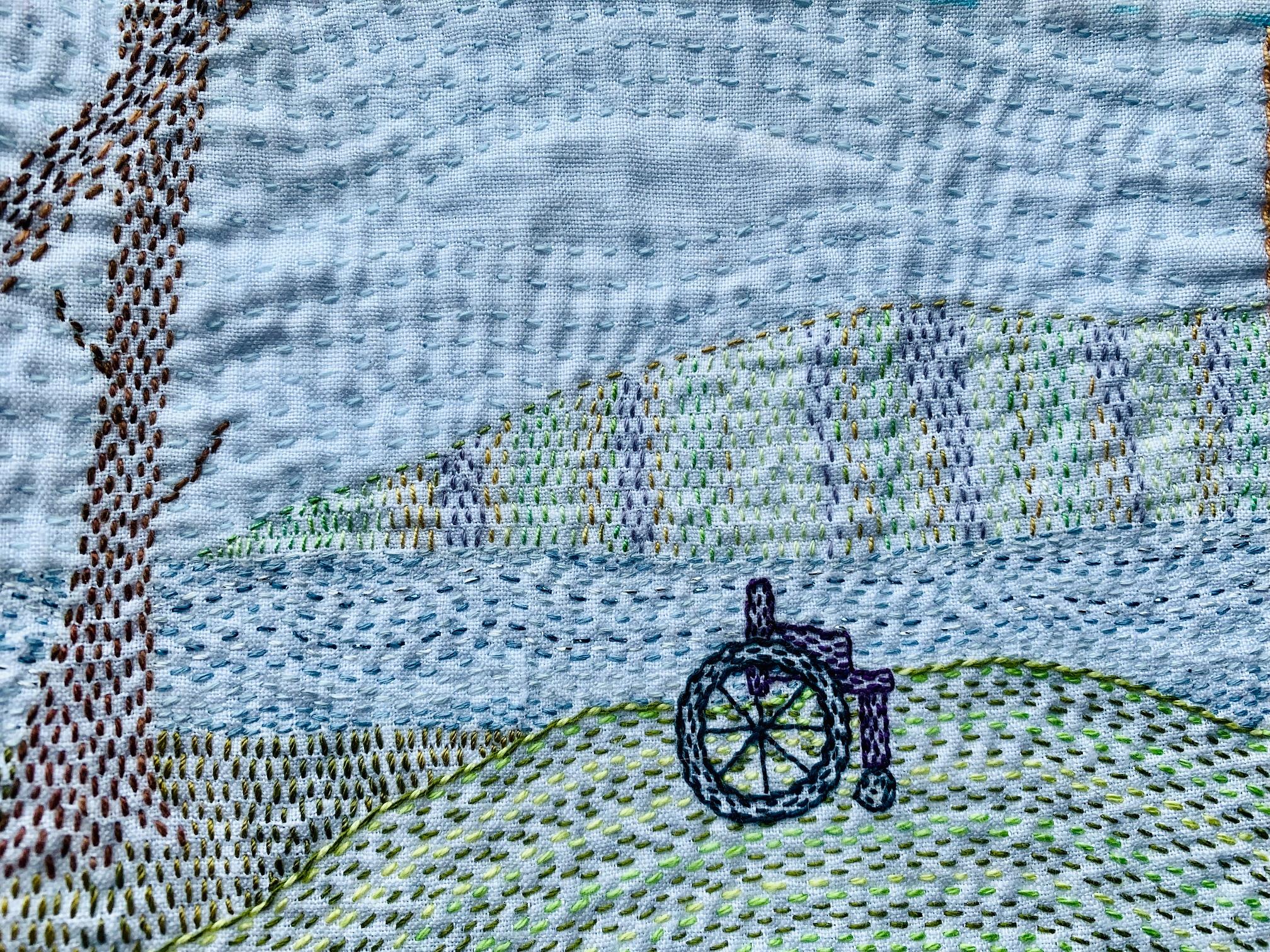
Kantha memories by the lake.
The lockdown experience
I?m writing this feature in late June 2020, well into my third month of shielding during the COVID-19 pandemic. And again, I find myself so grateful for the ability to sew. Sewing is something that I can control and for that reason it has become even more important to me. Stitching is also a reason to stay in touch with people. It?s been a social activity for centuries, across different nations. I wish I?d known about Zoom and video-conferencing when I was in hospital! During lockdown I?ve had several ?sewing dates?, video-calling friends as we work on our projects in isolation. I?ve often wondered what those who stitched and created before us would think of our virtual sewing bees. I?ve also come to the conclusion that as I stitch, the end-product is not as important as the actual process of sitting with a needle and thread in my hands. It means we can slow down and focus on what we are creating whilst still getting the ?buzz? of accomplishment. I strongly believe we should focus on what we can do rather than what we can?t do.
Whatever you make, do it because you love it and because you want to do it. Don?t let fear or negative thoughts stop you from starting a new project. Everything is possible, so if you?ve been wanting to start a project or try out a technique ? have a go. Jump in with both feet, have fun and be kind to yourself (we can?t all master things straight away). Open your cupboard and just use those amazing fabrics and threads you?ve been saving for a special project ? you can always buy more!
© Angela Daymond 2020
This feature first appeared in the Autumn 2020 (issue 164) of ?The Quilter?, the quarterly member only publication of The Quilters? Guild of the British Isles.

Struggling with machine quilting? Learn how to fix 5 common problems, including skipped stitches, puckering, tension issues, thread breakage and bulky quilts.
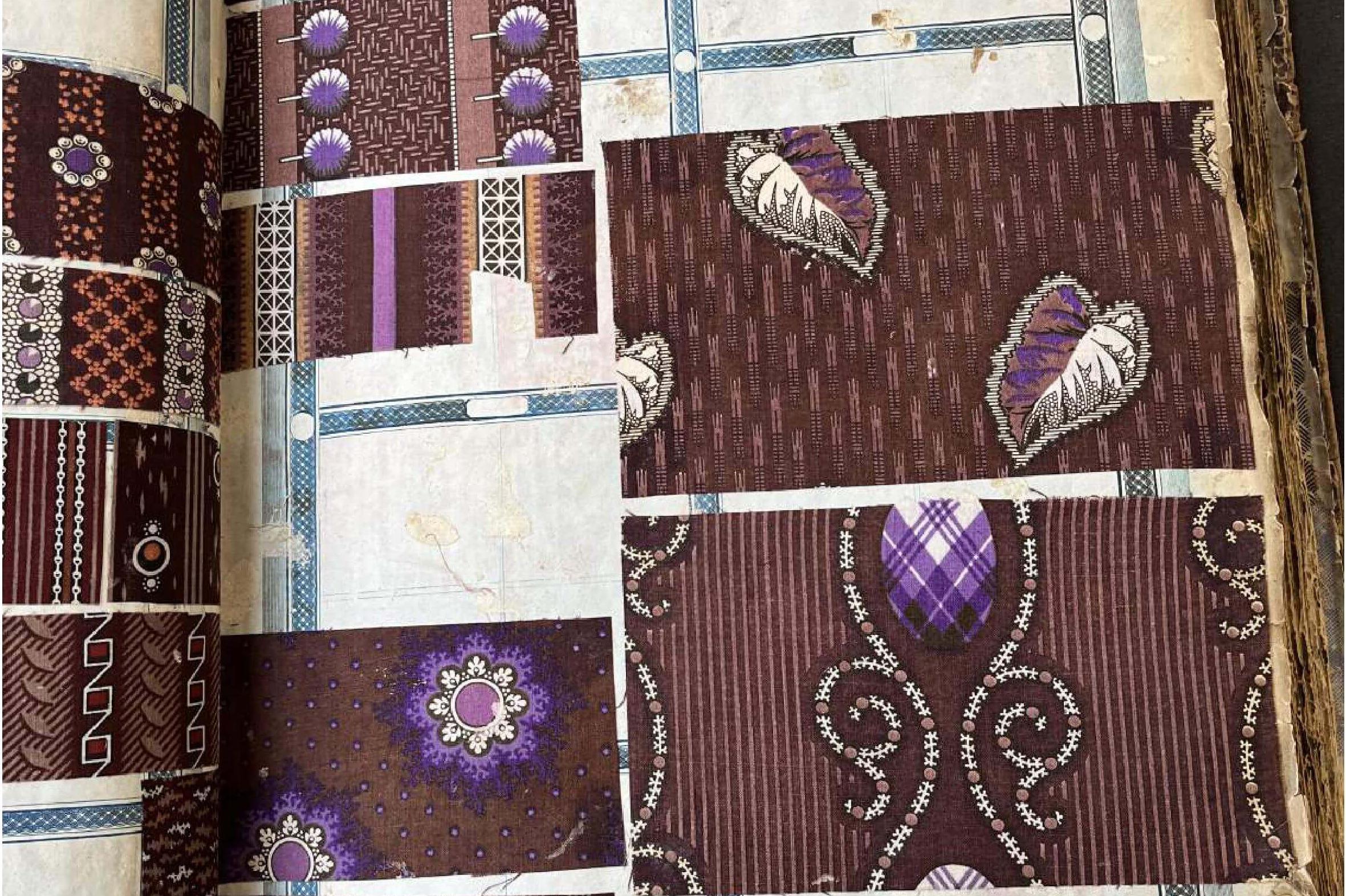
The British Quilt Study Group (BQSG) is a special interest group for Guild members interested in the history of British patchwork and quilting. They recently visited the Manchester Metropolitan University Special Collections Museum, where they examined pattern books and 'recipe' books for dyes dating back to the 1800s. These books are essential for dating historic quilts, which often lack signatures or dates. Understanding fabric printing history helps them establish the age of anonymous quilts.
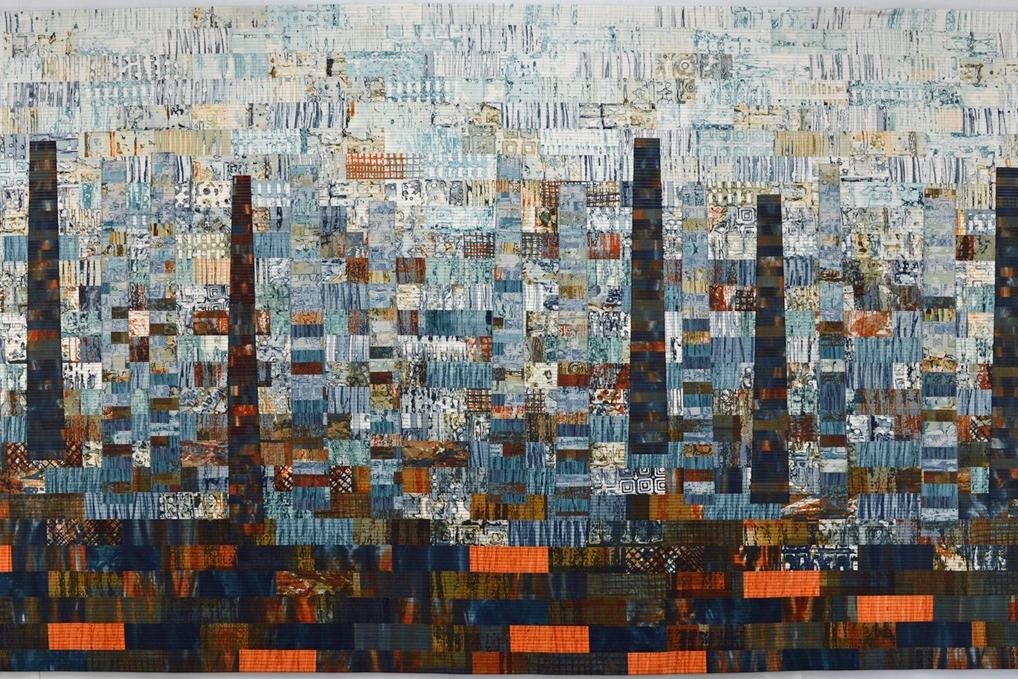
We talk to Leah Higgins about her quilting journey, favourite techniques, inspirations and proudest moment. You can read a full interview with Leah in the winter edition of 'The Quilter', our membership magazine.
