Unfortunately, we don't support Internet Explorer anymore as it has been replaced by Microsoft Edge.
Please try downloading Microsoft Edge or an alternative modern browser for the best experience.

Don’t hide your scraps—celebrate them.
Fabric scraps aren’t leftovers; they’re design opportunities. Scrappy quilts and patchwork blocks thrive on variation, echoing the improvisational spirit seen in many historic British quilts, where fabrics were used as they became available.
Try this:
This approach not only reduces waste but also connects your work to a long tradition of making do—and making beautifully.
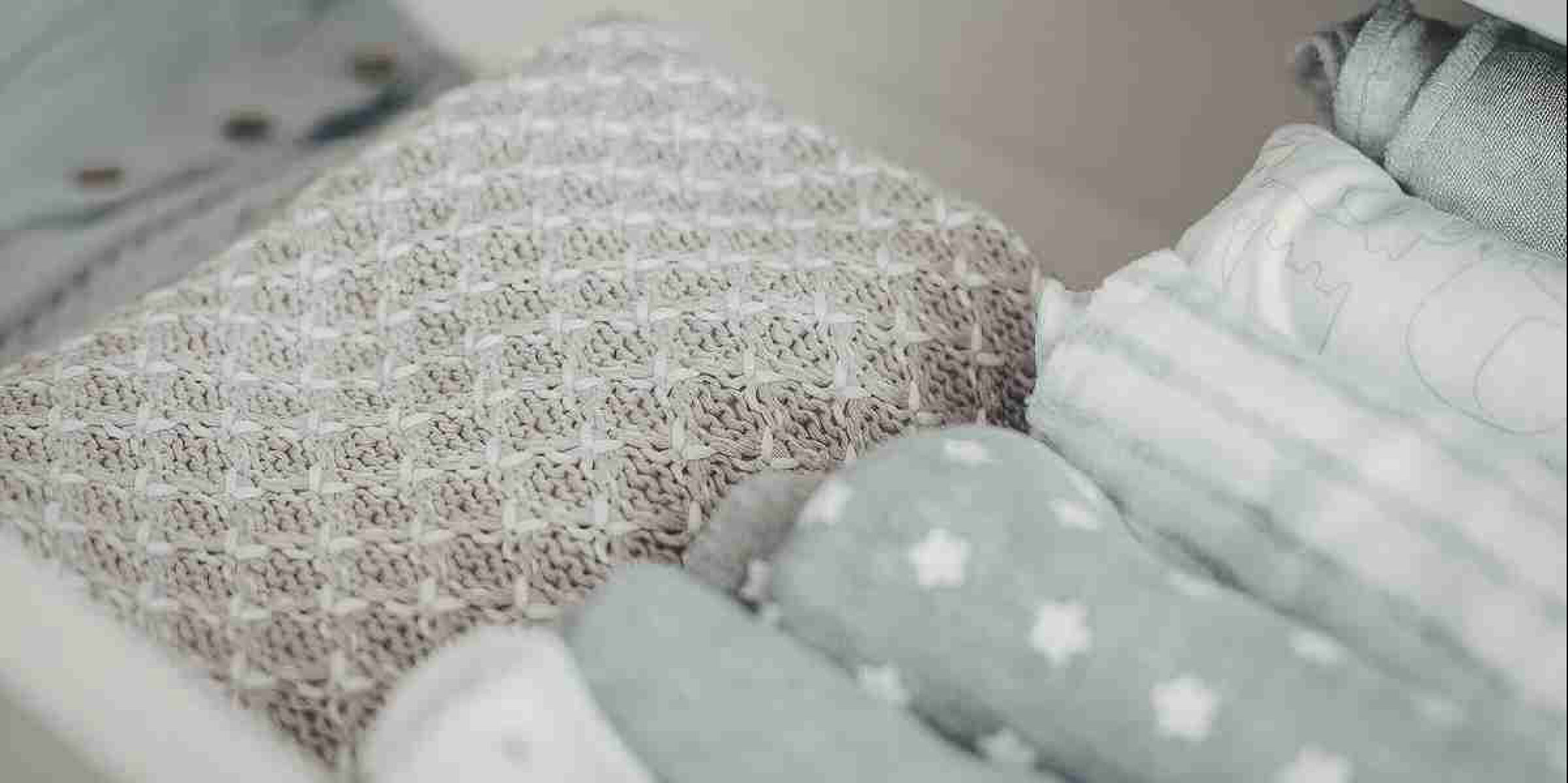
Old textiles can become future heirlooms.
Before buying new fabric, look closer to home. Shirts, denim, curtains, and table linens can all be reimagined. Historically, quilts were often made from worn clothing and household textiles, giving them both practical and sentimental value.
Ideas to try:
Using existing materials not only reduces waste but also embeds personal history into your work—something many pieces in the Quilt Museum collection quietly demonstrate.
Repurpose with purpose.
Repurposed fabrics come into their own when used to tell a story. Whether through memory quilts, heirloom restorations, or themed pieces, these quilts carry meaning beyond their design.
Try:
In this way, quilting becomes not just a craft, but a form of storytelling—preserving fragments of life in cloth.
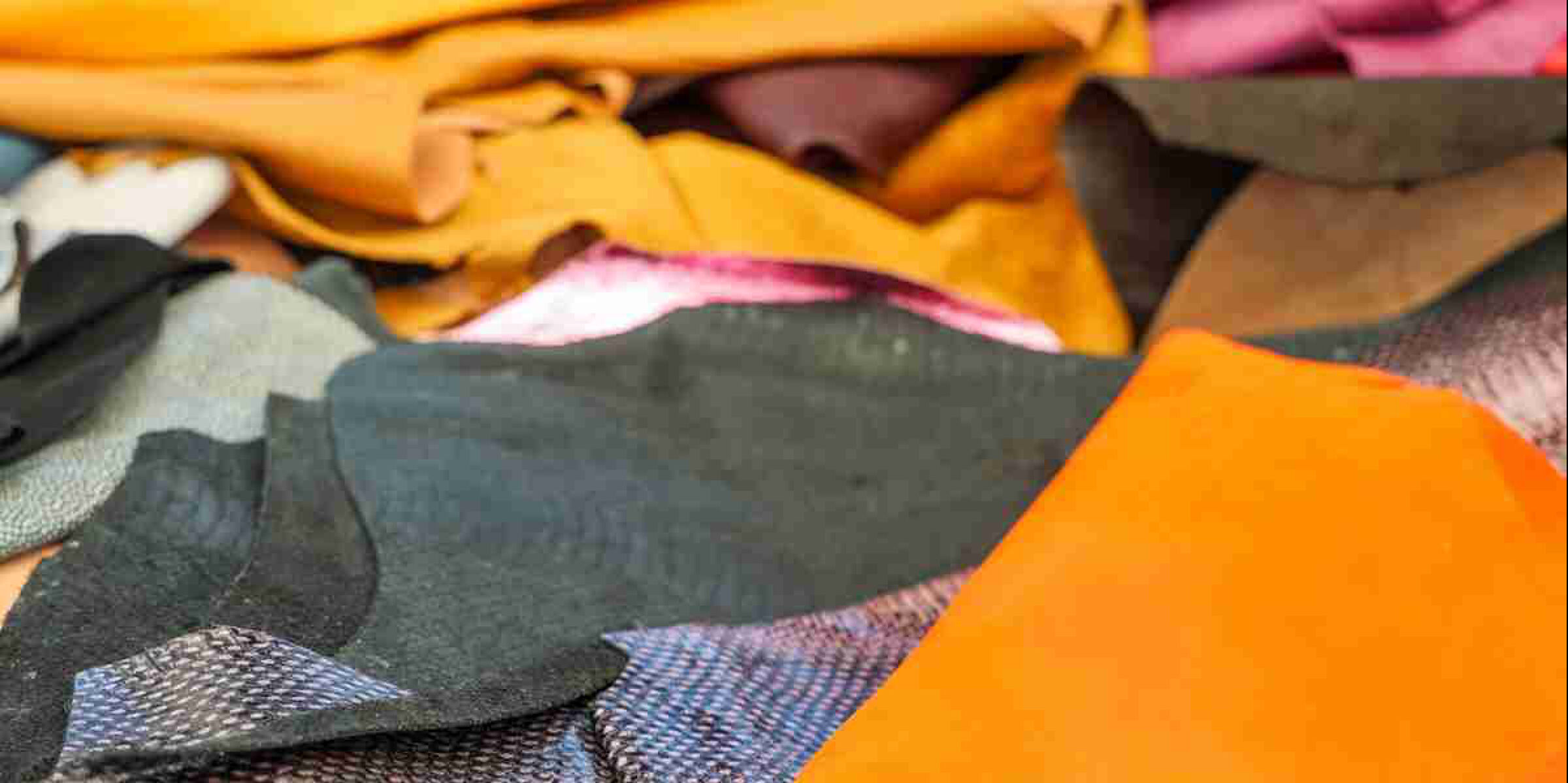
Sustainability has always been communal.
Quilting has long been rooted in community, and sustainability naturally follows. Sharing resources—whether through fabric swaps, donations, or guild exchanges—extends the life of materials and strengthens connections between makers.
You might:
This spirit of sharing reflects the collaborative traditions that have shaped quilting for generations.
Even the smallest scraps have value.
Those tiny offcuts you’re tempted to discard can still serve a purpose. Historically, nothing was wasted, and even the smallest fragments found their way into patchwork or functional household items.
Creative uses include:
Small pieces can still make a meaningful contribution—both practically and aesthetically.
By rethinking what we already have, we reduce waste, make thoughtful choices, and create quilts that carry deeper meaning.
Perhaps most importantly, we continue a long-standing tradition. The quilts preserved in the Quilt Museum collection remind us that resourcefulness has always been part of the craft. In working this way today, we are not only responding to modern concerns—we are honouring the ingenuity of those who stitched before us.
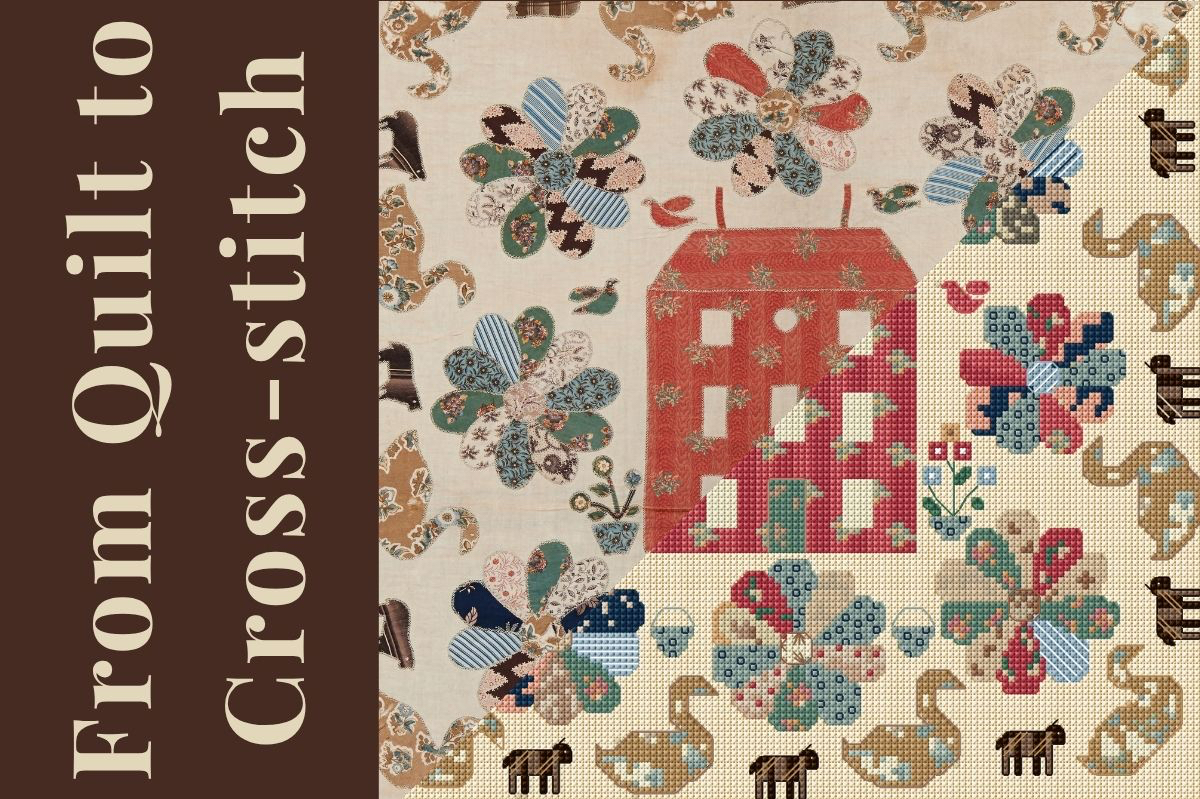
Discover how treasures from The Quilt Collection are being reimagined as cross-stitch and tapestry patterns, bringing historic textiles to today's stitchers.
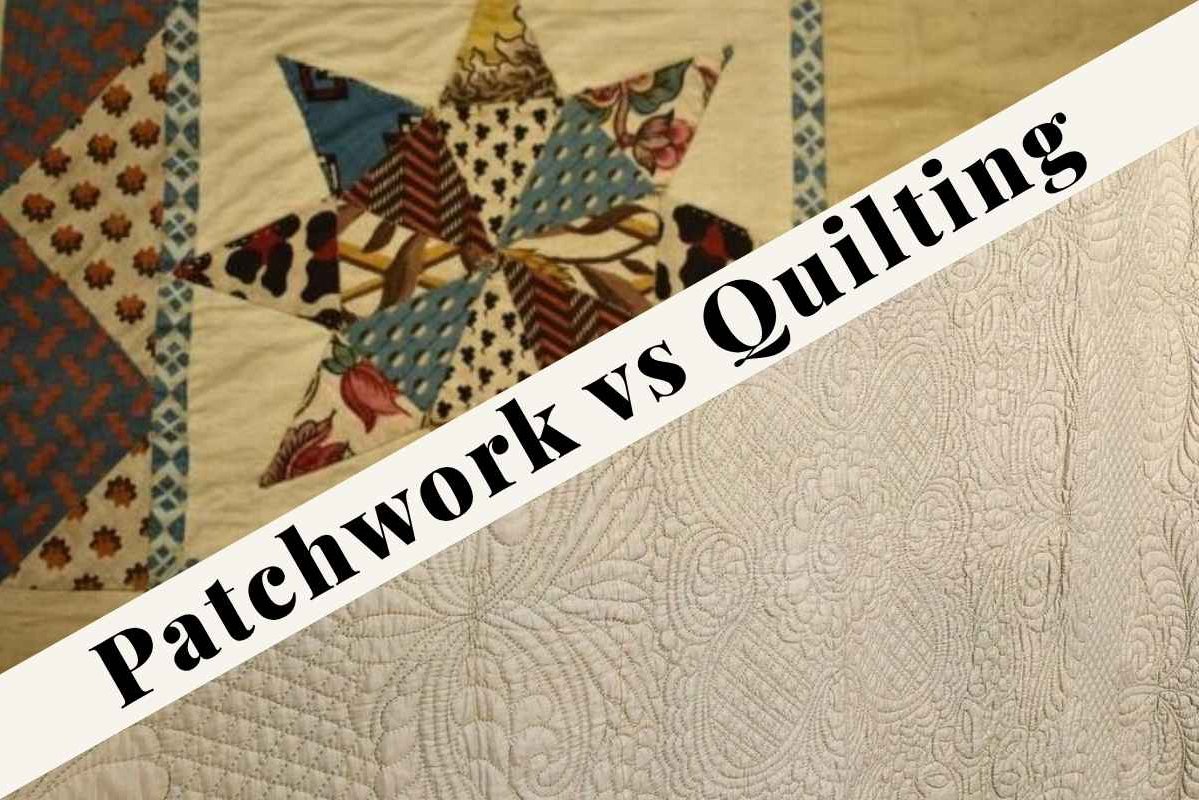
What's the difference between patchwork and quilting? Discover how patchwork, quilting and appliqué differ, with examples from The Quilters' Guild Collection.

Find quilting teachers and speakers offering online and in-person talks and workshops. Discover opportunities to learn, improve your skills and share your passion.




