Unfortunately, we don't support Internet Explorer anymore as it has been replaced by Microsoft Edge.
Please try downloading Microsoft Edge or an alternative modern browser for the best experience.
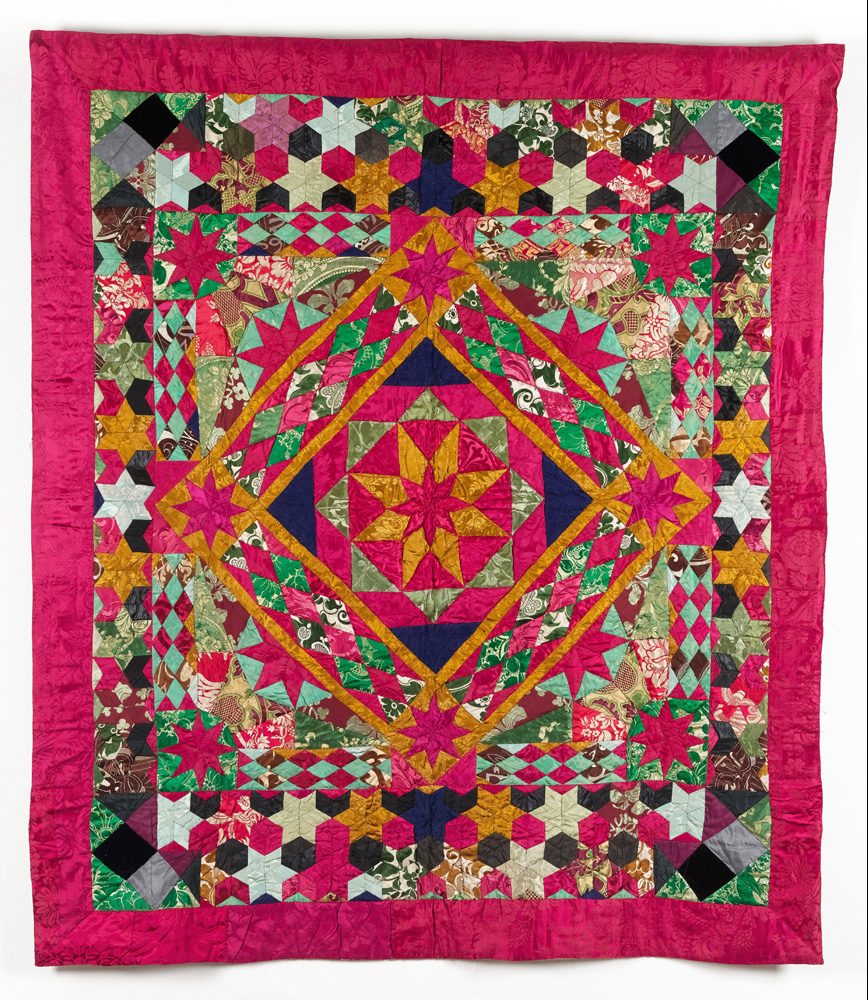
Mary and Joseph Upton’s life was one of constant change. Born in Kent, they travelled widely as Joseph’s work took them from lighthouse to lighthouse, from the Scilly Isles off the coast of Cornwall to Lowestoft in Suffolk, and eventually to the Farne Islands off Northumberland.
This pattern of movement was typical for lighthouse keepers, who would spend several years at each station. The work itself was demanding and precise, with three keepers sharing shifts across each day, ensuring the light remained constant and reliable.
It was a life defined by routine, responsibility, and the ever-present force of the sea.
For Mary and her family, life on the Farne Islands meant more than simply following Joseph’s work. It meant adapting to a world set apart.
The lighthouse keepers and their families lived together in cottages beside the lighthouse, forming small, self-contained communities. Supplies had to be brought in from the mainland, and daily life required a level of resourcefulness shaped by distance and isolation.
Mary and Joseph had five children, and within this setting, family life and working life were closely intertwined.
It is thought that the fabrics used in this quilt came from a relative who worked as a travelling fabric salesman - a small but telling detail that connects this remote setting to a wider network of people and trade.
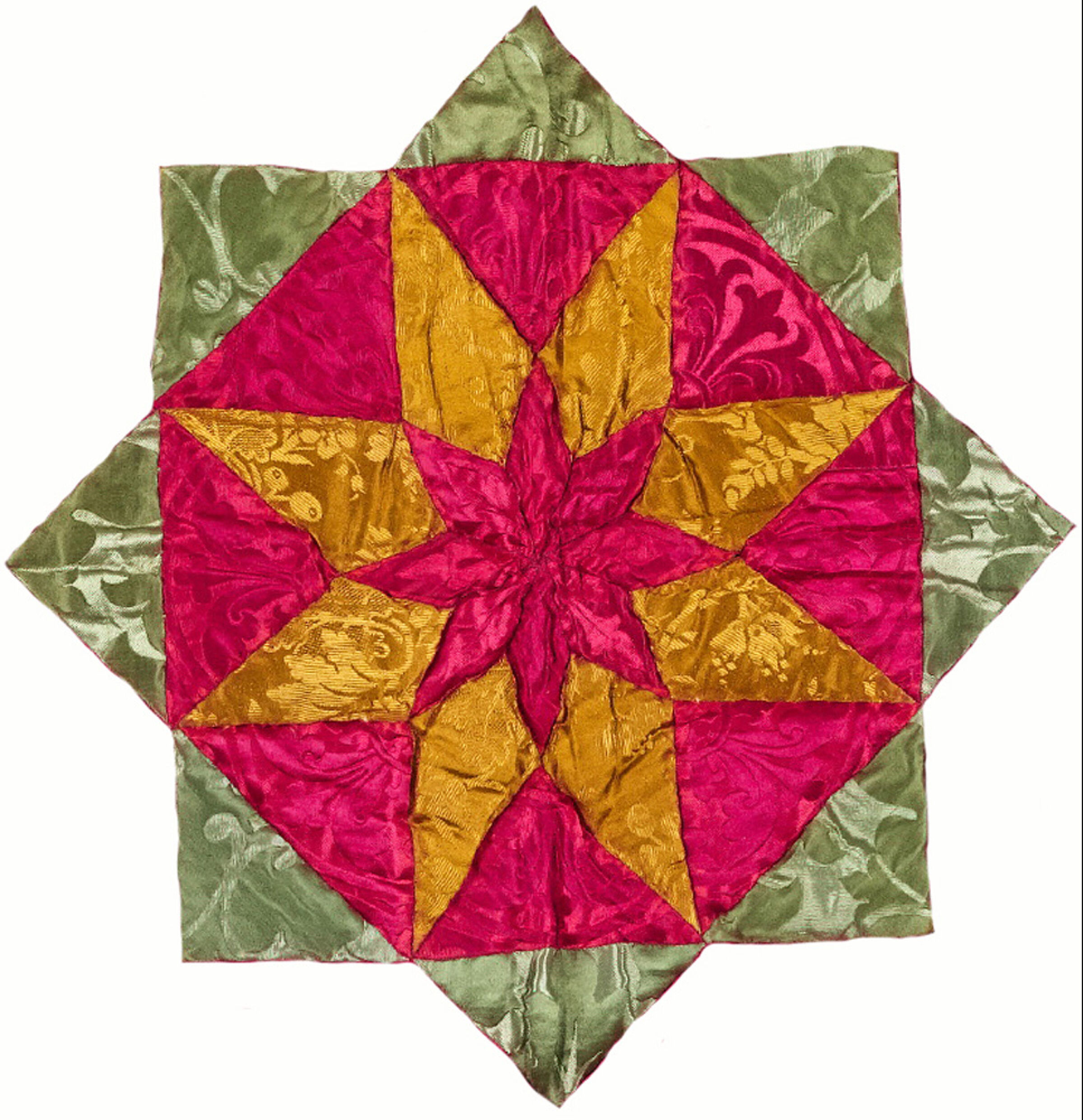
Perhaps unsurprisingly, the quilt itself is vibrant and full of energy.
Unlike many domestic textiles of the period, which often relied on dress fabrics, this piece makes use of furnishing materials, bold in scale, rich in colour, and well-suited to a striking, graphic composition.
There is a sense here of making the most of what was available, of working creatively within the materials at hand. The result is a quilt that feels both practical and expressive, shaped as much by circumstance as by design.
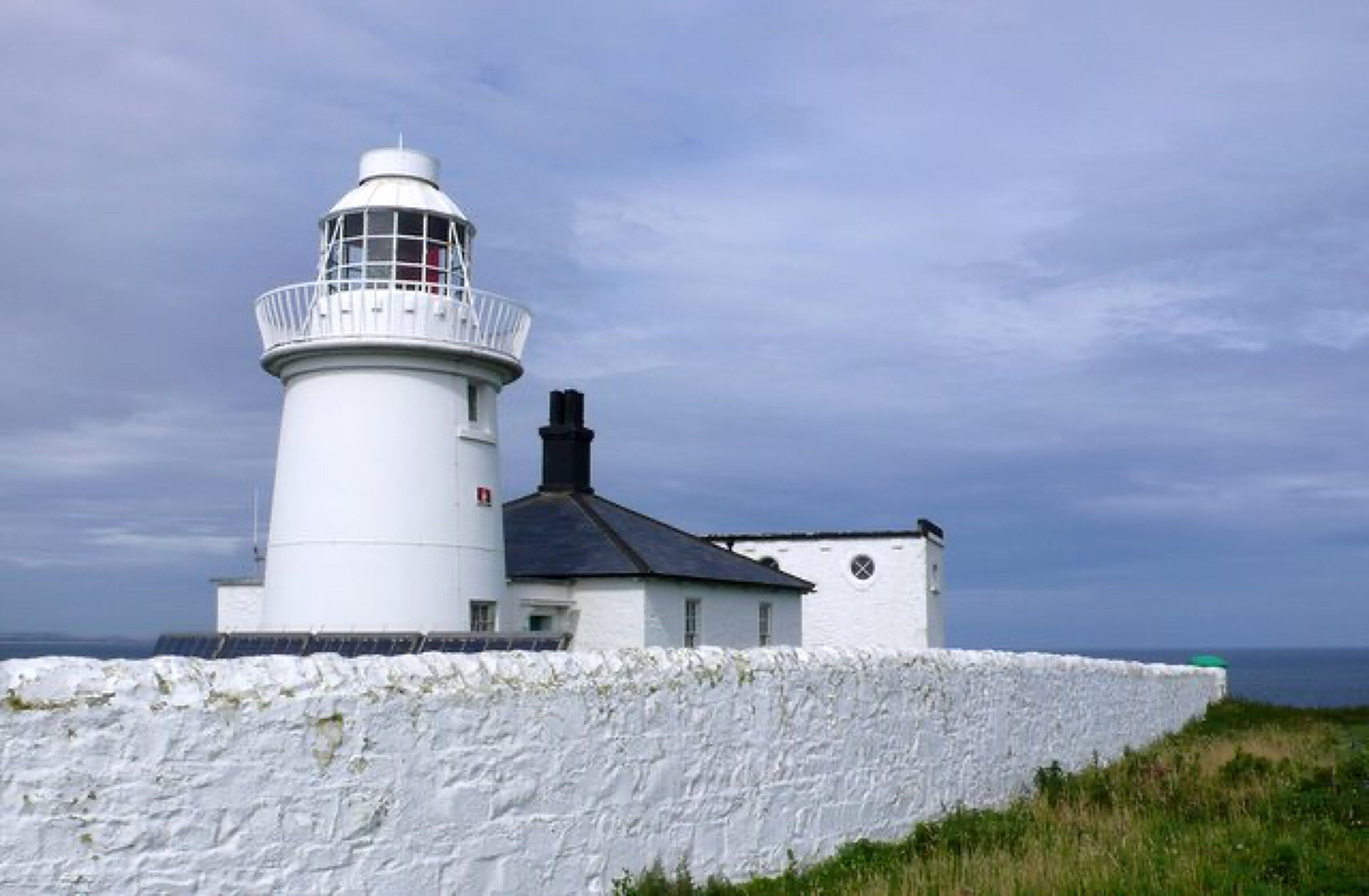
Farne Islands Lighthouse. Nigel Mykura.
Life connected to the lighthouse was not without its challenges.
The role of a keeper demanded both technical skill and careful observation, from maintaining machinery to recording detailed meteorological data. In harsh weather, conditions could become dangerous, with even routine tasks, such as cleaning the lantern windows, carried out in snowstorms to ensure the light remained visible.
Within this environment, Mary’s quilt takes on an added significance.
It becomes a counterpoint to that life, something made slowly, thoughtfully, within the rhythms of the household. A creative act set against a backdrop of wind, sea, and shifting skies.
The Farne Islands quilt is more than a striking piece of patchwork.
It is a record of place, of a remote coastal landscape and the people who lived within it.
It is a reflection of family life, shaped by movement and adaptation.
And it is a reminder that even in the most isolated settings, creativity finds its way through.
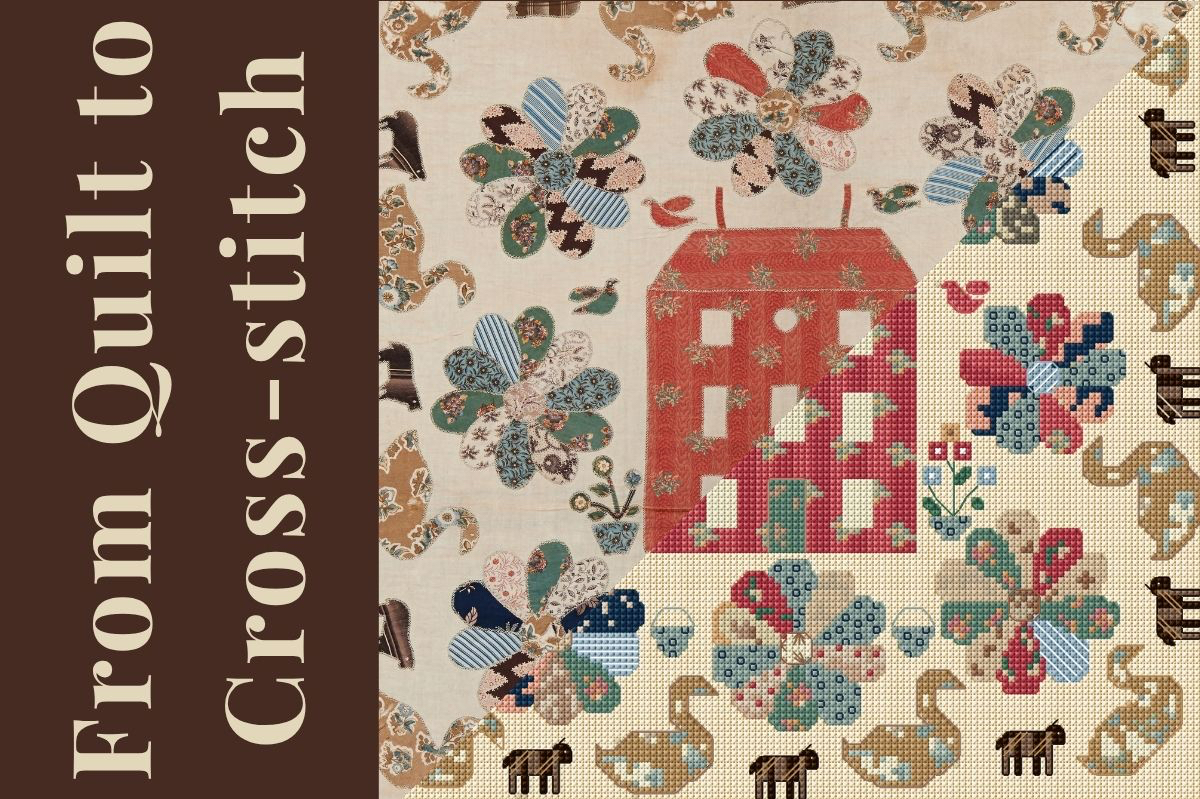
Discover how treasures from The Quilt Collection are being reimagined as cross-stitch and tapestry patterns, bringing historic textiles to today's stitchers.
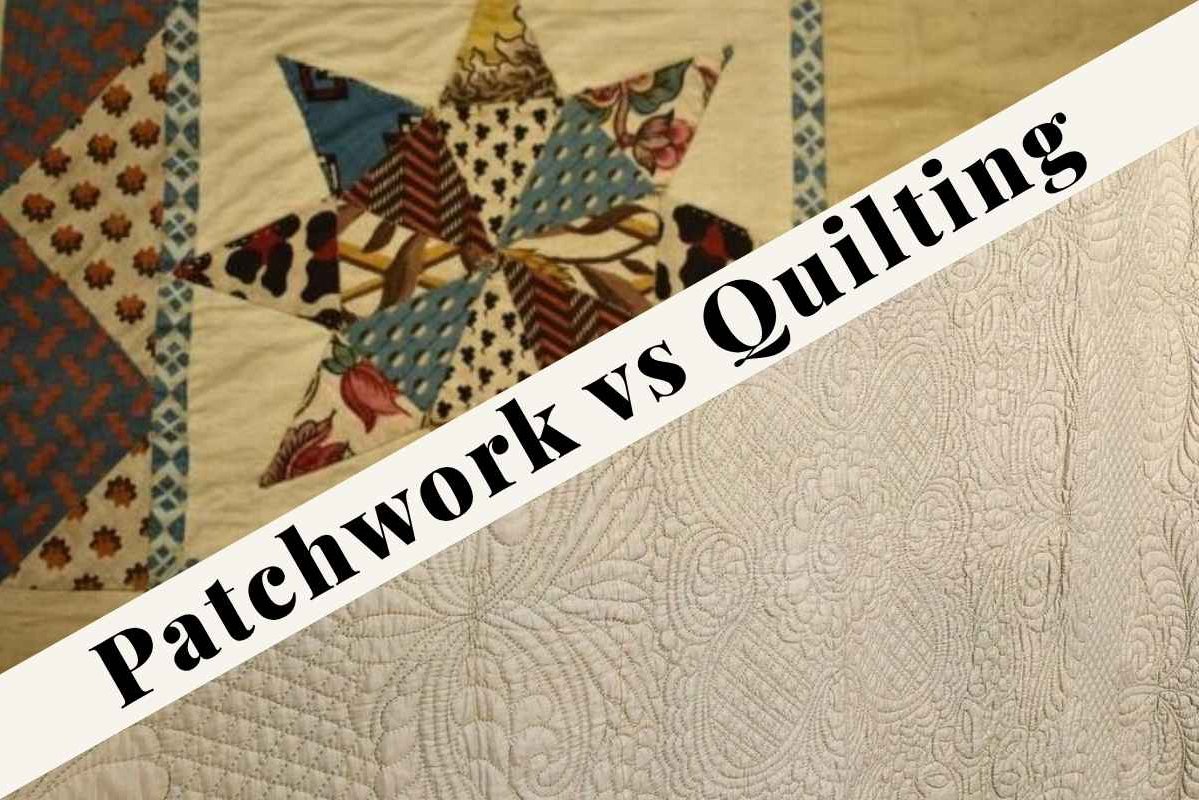
What's the difference between patchwork and quilting? Discover how patchwork, quilting and appliqué differ, with examples from The Quilters' Guild Collection.

Find quilting teachers and speakers offering online and in-person talks and workshops. Discover opportunities to learn, improve your skills and share your passion.
