Unfortunately, we don't support Internet Explorer anymore as it has been replaced by Microsoft Edge.
Please try downloading Microsoft Edge or an alternative modern browser for the best experience.

Much of modern life now happens online. Work, communication and even relaxation often take place on screens, sometimes with very little separation between them.
It’s no surprise, then, that many people are beginning to look for something different. Creative, hands-on hobbies like sewing, embroidery, and quilting are seeing a noticeable resurgence, particularly among younger generations.
For many, this isn’t just about learning a new skill. It’s about finding a way to switch off, even for a short while.
At the heart of slow stitching is repetition. The simple act of passing a needle through fabric, again and again, creates a gentle, steady rhythm.
This can be seen in traditions such as sashiko, a form of Japanese stitching originally used to repair and strengthen cloth. Built from small, even stitches, sashiko is both practical and quietly beautiful, showing how repetition can create pattern and purpose.
Like quilting, it reflects a way of making that values patience and care over speed.
Slow stitching has a way of drawing your attention in, without demanding it. There’s no urgency to it - just the next stitch, and the one after that.
Many people find this naturally calming. The repetition gives your hands something to do, while your mind has space to settle.
It’s not about switching everything off completely, but about giving yourself a different kind of focus - one that feels quieter and more manageable.
One of the simplest but most important aspects of slow stitching is that it happens away from a screen.
It’s tactile and physical, and it requires your presence in a way that digital activities don’t. Even a short period of stitching can feel like a break - something separate from the rest of the day.
There’s a growing conversation around this, particularly online. Ironically, platforms like TikTok are full of videos showing people putting their phones down to sew, stitch or mend—often framed as a way to reset.
Search for #slowstitch or #sashiko, and you’ll find thousands of examples of people sharing exactly that.
Slow stitching doesn’t require long stretches of time. It fits into small gaps - a quiet half hour, an evening, or a few stitches at the end of the day.
This flexibility is part of its appeal. Projects can be picked up and put down easily, without needing a dedicated space or setup.
What’s interesting is that slow stitching isn’t just a niche interest - it’s part of a wider shift.
More people, particularly Gen Z, are turning towards hands-on hobbies. Not necessarily because they’re traditional, but because they offer something that feels increasingly rare: time away from constant connection, and a sense of making something real.
It’s less about nostalgia, and more about balance.
Slow stitching also offers a direct link to earlier quilting practices. Many historic quilts were made in this way - stitched by hand, over time, using the materials that were available.
In choosing to work like this today, you’re not just following a trend. You’re continuing a long-standing way of making that values care, patience and resourcefulness.
Slow stitching isn’t about doing less, or doing things perfectly. It’s about making space for something different, something quieter, more deliberate, and more connected to the process itself.
The quilts held in The Quilt Collection remind us that this way of working has always existed. It’s simply being rediscovered in a new context.
And perhaps that’s part of its appeal.
UCL - Crafts and wellbeing research
Explores how creative hobbies support mental health, particularly among gen Z.
Harvard Health - Hobbies and wellbeing
Outlines how hobbies like arts and crafts contribute to relaxation, focus and overall wellbeing.
The Guardian - 'Crafts are like medicine'
Discusses the growing trend of "offline" or slow hobbies as a response to digital fatigue.
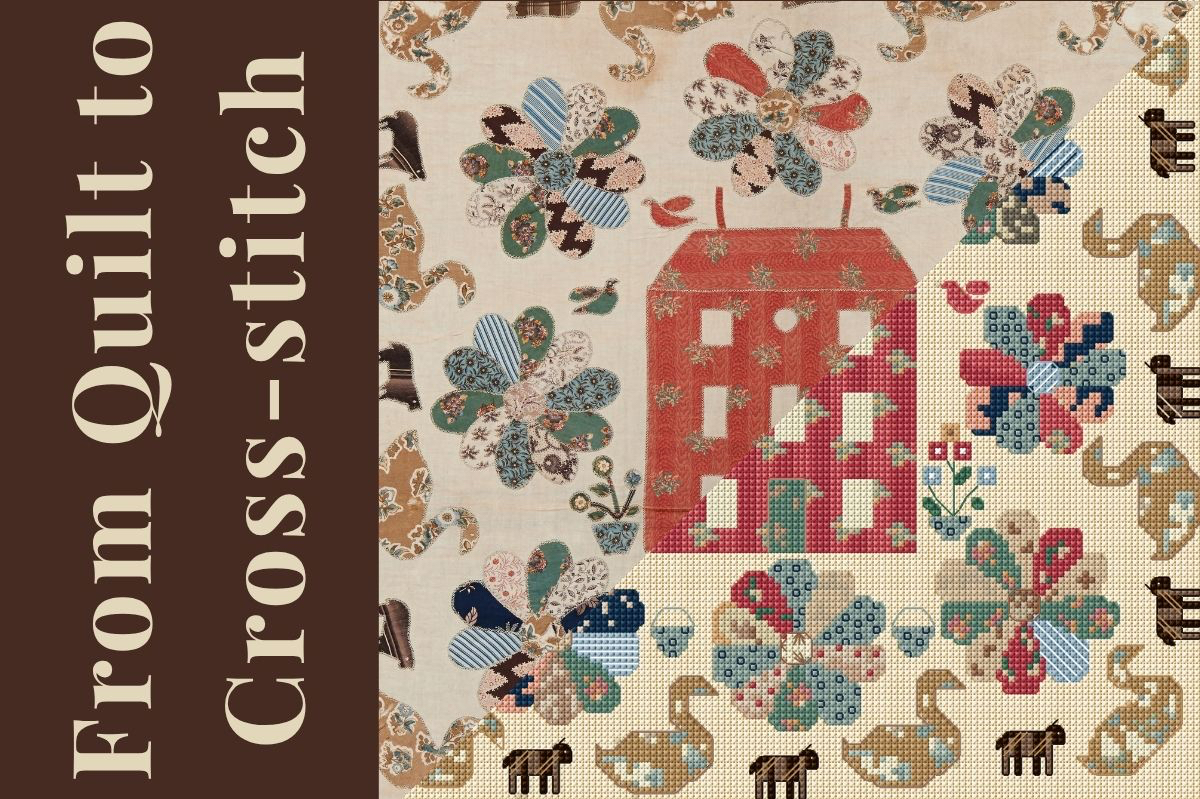
Discover how treasures from The Quilt Collection are being reimagined as cross-stitch and tapestry patterns, bringing historic textiles to today's stitchers.
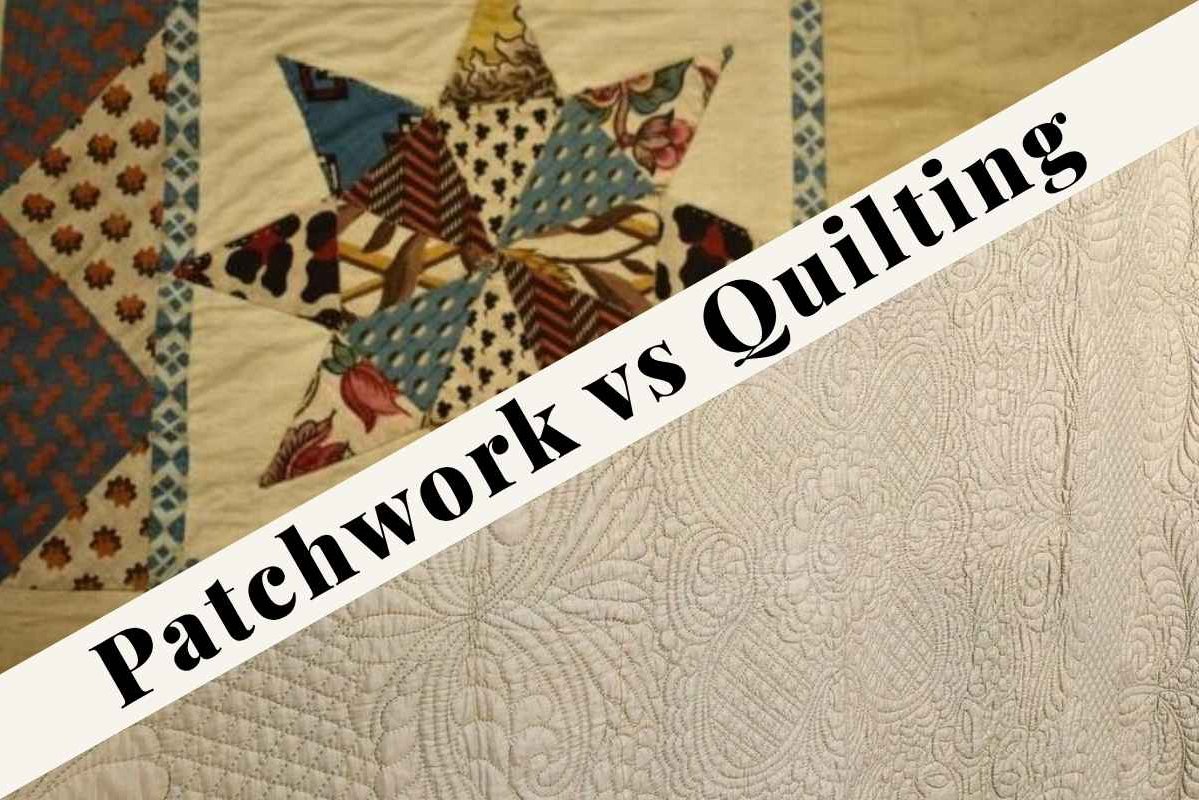
What's the difference between patchwork and quilting? Discover how patchwork, quilting and appliqué differ, with examples from The Quilters' Guild Collection.

Find quilting teachers and speakers offering online and in-person talks and workshops. Discover opportunities to learn, improve your skills and share your passion.
