Unfortunately, we don't support Internet Explorer anymore as it has been replaced by Microsoft Edge.
Please try downloading Microsoft Edge or an alternative modern browser for the best experience.
We are approaching International Women's Day on Wednesday 8th March, what does this mean to you as a woman and as a quilter?
As a woman and a feminist, International Women's Day means celebrating the amazing achievements of women around the world, while at the same time remembering how far we still have to go to achieve equality.
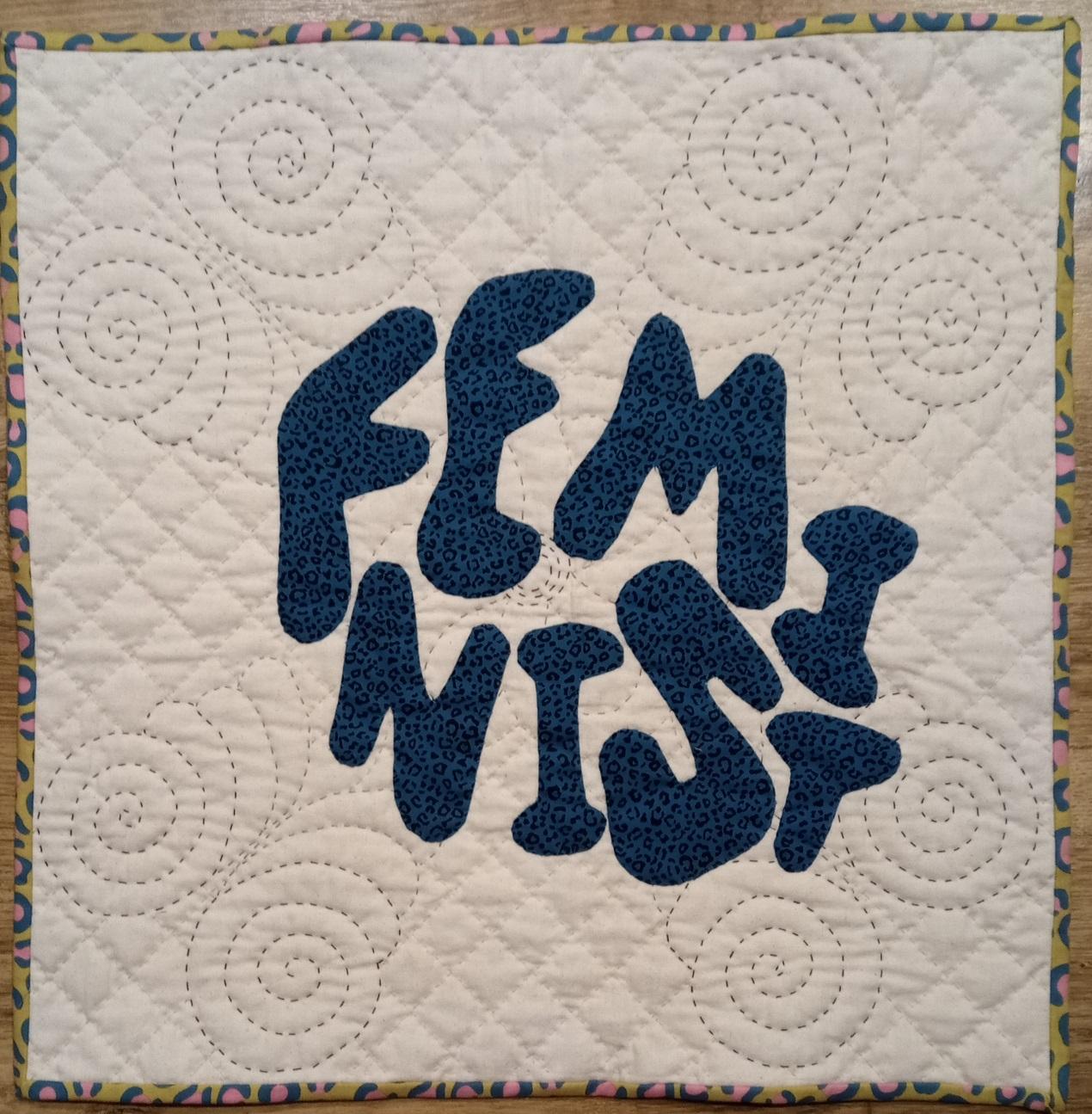
'Intentionally Feminist' by Sarah Humphreys.
As a quilter, International Women's Day is a time to reflect that all art is political. For me, quilt making is a feminist act inextricably linked with being a woman. Quilts have always predominantly been made by women and I am proud to continue that tradition. I am fascinated by how women express themselves through textiles, especially when other opportunities to share their creative voice are limited. I am also interested in how quilt making and other traditionally female art forms are perceived.
There are many stories attached to quilt making which romanticise the craft and the maker - stitching by candlelight, the deliberate mistake, the accidental genius, and the origins of patchwork in thrift. Some stories suggest that women created utilitarian quilts out of necessity, not understanding their beauty until someone else ?discovered? them. I believe this dilutes the skill and agency of quilt makers throughout history.
It is a myth that the origins of quilt making lie entirely in economic necessity. In years gone by the production of utilitarian bed covers was one reason for making a quilt but they were also made for gifts, celebrations, and commemorations. Quilts were made for competitions, fund raising, and to display political or religious affiliations. And quilts were made just for the joy of making. All very similar to the reasons we make quilts today!
I think the idea that many (if any) quilt makers created purely functional quilts is refuted by the evidence of the quilts themselves. Even largely utilitarian quilts contain elements which illustrate creative, artistic, and labour-intensive choices. Most show some attention to positioning of colours or repeated elements to make a design. Complex quilting patterns, or the inclusion of decorative elements such as appliqué or embroidery, demonstrate that quilt makers were not purely concerned with utility. If their sole aim was the production of serviceable bedcovers we would not see the range of beautiful quilts that we have in our museums and historic collections.
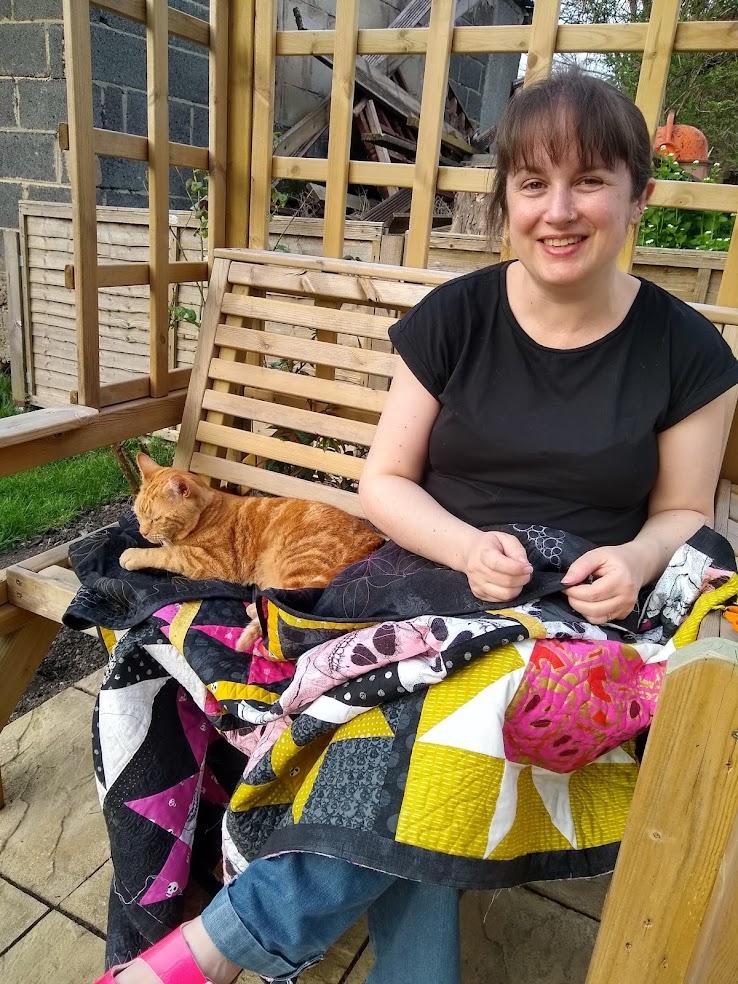
Sarah Humphreys.
As a quilt maker and feminist, I am concerned that a focus on utilitarian quilts may discourage women from embracing and celebrating their creativity. I have heard discussion which differentiates ?show? quilts, made for exhibition, from ?real? quilts, which are made to be used. I have reflected on this. Does striving for excellence in design and execution conflict with producing a ?real? quilt? I really don?t think it does. I wholeheartedly support women producing any art or craft they want to ? whether functional, decorative, somewhere in-between, or something else entirely. We do not have to justify our love of making and our need to create by producing something useful.
Having said this, I recognise that I am fortunate to have the time and money to make quilts as a hobby. Millions of women around the world do not have this luxury ? which brings us back to International Women's Day. It would be wonderful if all women had leisure time, the chance to be creative, the ability to participate in activities which support their well-being and were able to make choices about their time and money.
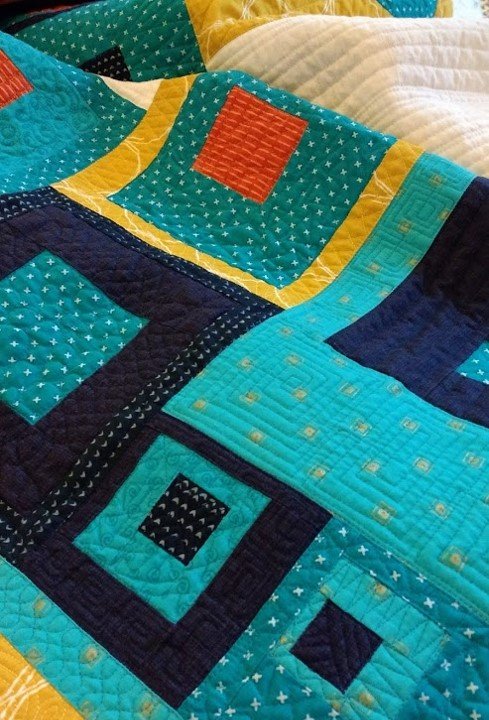
'TotalSquare', detail, by Sarah Humphreys.
Are there any feminist quiltmakers or specific quilts with a feminist message that you particularly admire?
I believe that creating is courageous. I admire every woman who shares her work with others. I appreciate every volunteer who supports quilting events and groups. I am in awe of the women who run quilting shops and businesses. I am grateful for the teachers and pattern writers who help other women to create. I am thankful for all the women who contribute to the quilting world in any way.
I could list so many makers but have selected just a few whose work I particularly admire for their immediacy. These women respond to events in their lives ? whether public or private ? in a direct and timely fashion which encourages us all to reflect on our world:
Chawne Kimber is an African-American quilt maker known for exploring themes of racism and sexism in her work. Her quilts are intricate and beautiful and engage the viewer on so many levels. There are many interviews available online where you can learn more about work in her words.
Heidi Parkes creates using textiles from domestic culture, fashion, family heirlooms and recycled materials. Her work explores concepts of place, relationships and memory and often delves into deeply personal concerns. Some of her quilts that I see as particularly feminist are those which explore health concerns, especially around her menstrual cycle.
Then two women working in wider textiles are Holley Searle (AKA The Subversive Stitcher) who does amazing things with tea-towels and Jess De Wahls who addresses gender inequality through embroidery.
I especially admire that these artists use traditionally female crafts to explore issues affecting women and I encourage you to go exploring!
You have invested a lot of your time as a volunteer working with Young Quilters; what do you love about sharing the craft with the younger generation?
I grew up in a crafting family and discovered quilt making at the age of 13. I accompanied my mother to see Gillian Clarke talk about her quilt depicting women?s work in medieval times. She convinced me to go because of my interest in women?s history but could not have imagined the impact that one evening would have on the rest of my life. I enjoyed Gillian?s talk immensely and the group?s show and tell which followed captivated me. I was delighted by the gorgeous, wonderful quilts I saw and charmed by the talented, welcoming women who made them. I knew this was something I wanted to do. I started my first quilt soon afterwards and I?ve been making quilts ever since.
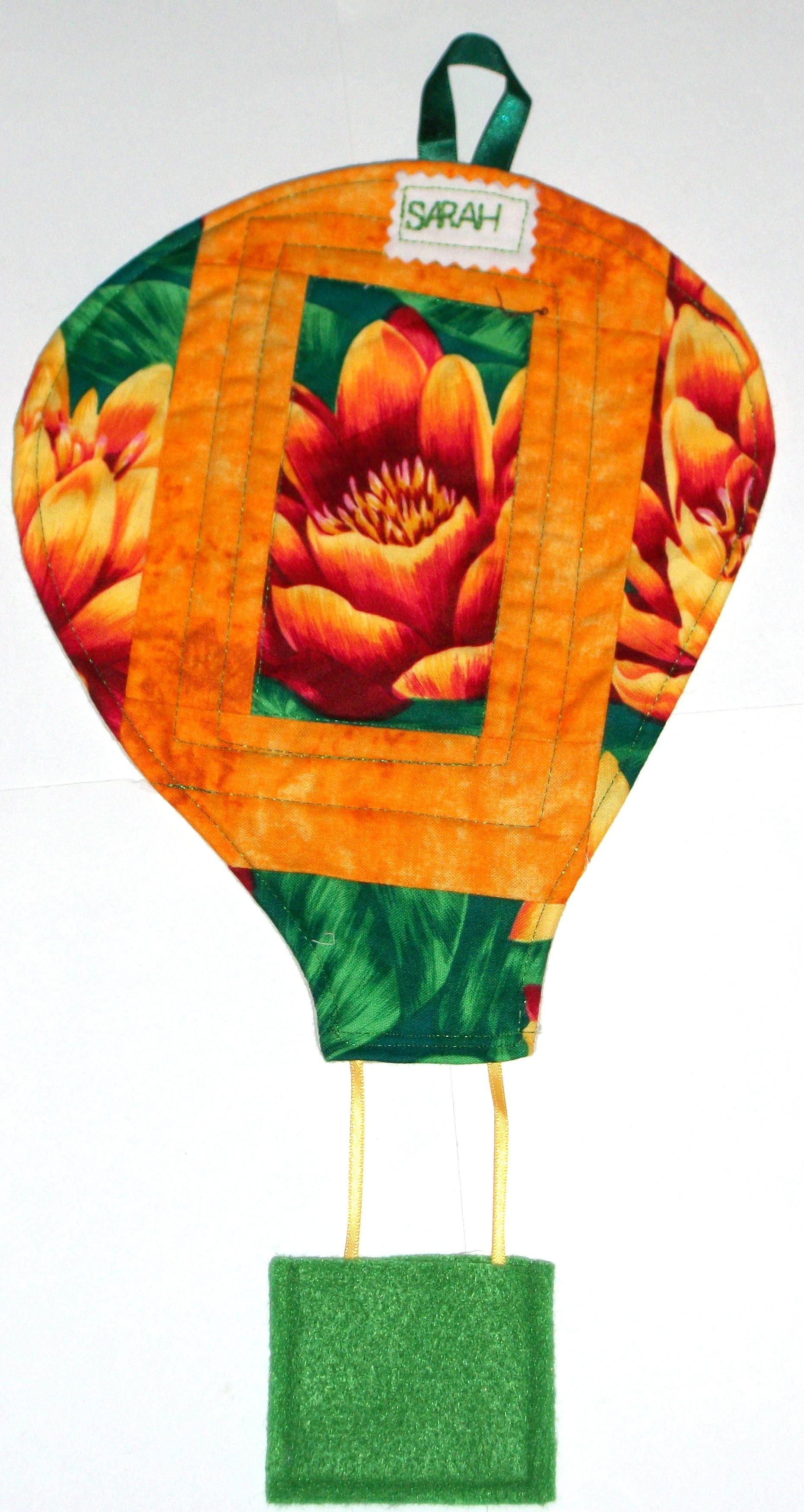
Hot Air Balloon project Sarah ran with young quilters.
I was given so much encouragement in my early quilting years and am eternally grateful to the women who helped and supported me at that time. I am committed to paying this forward and love supporting young quilters to develop their skills and passion to create. I found being a teenager really hard but when I was quilting nothing else mattered. The acting of creating is nourishing and restorative and I am delighted if I can help a young person find joy in stitching.
Quilting is known for its great community; what is your experience of how quilting cultivates an open environment in which everyone feels welcome, regardless of their background?
I love the quilting community! Over the years I have attended evening classes, workshops, quilt groups and retreats. Most of what I have learnt about quilting has come from being around other makers ? quilters are amazingly generous when it comes to sharing skills and ideas (and fabric). They have inspired and challenged me to develop my creative skills. They have encouraged me when things go wrong, and loudly celebrated my successes with me.
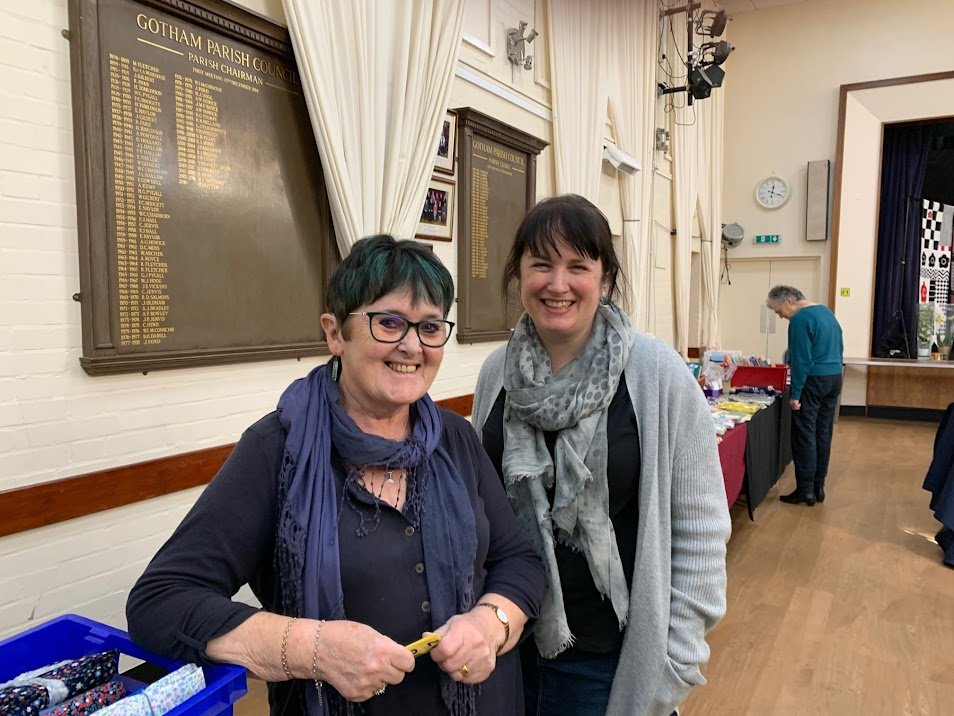
Sarah with her mum at a Guild regional quilting day.
Spending time with people who love the same things I love will always be a valuable part of patchwork for me. From international quilt shows to show-and-tell at my local quilt group, there is always more to see, admire, and learn from. Throughout my quilting history I have met women who I may otherwise never have even spoken to and they have become really good friends.
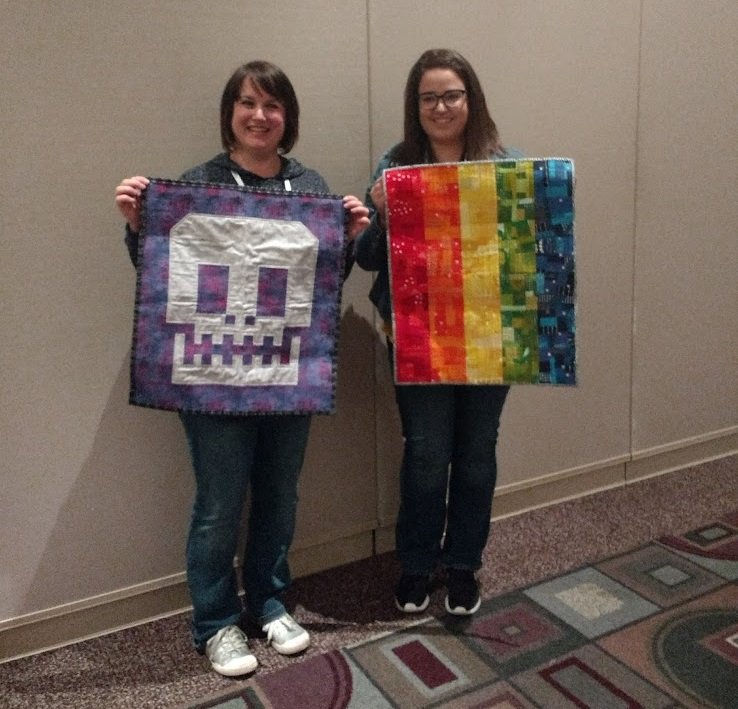
An international quilt swap.
I love to share my skills and knowledge with the community and try to support an open, welcoming environment when I lead classes. I aim to encourage everyone to make the quilt they want to make and support them in gaining the necessary skills to achieve their vision. I particularly enjoy giving talks on confidence and motivation. I want my learners to be proud of their creative achievements ? and excited about their next project.
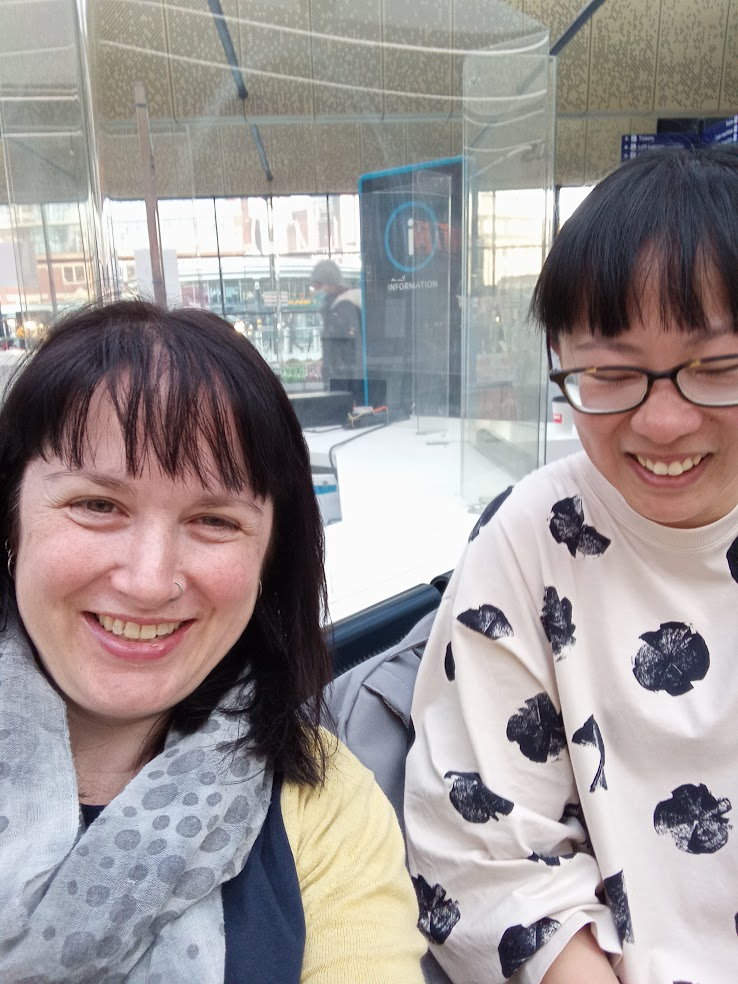
Sarah with one of her sewing friends.
One of my fondest memories of how quilting creates community is from 2015 when I worked with a group of female prisoners to create a quilt. Each woman stitched three panels representing her past, present and future. The weekly class was a joy. It felt like any other quilting group ? sharing knowledge, admiring each other?s work, and enjoying being in one another?s company. They were rightly proud of what we produced ? and I am still delighted I was able to be part of that.
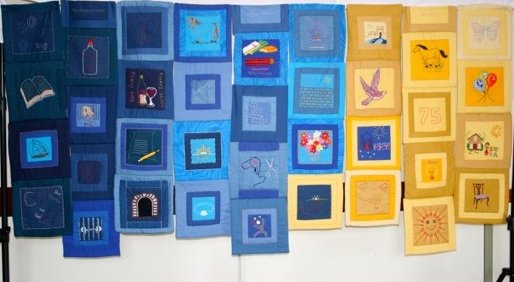
'The darkest hour is just before the dawn'. A group quilt Sarah made with women in prison.
What's currently influencing your quilting practice?
I am currently in my second year of the Quilt Judging Course which is taking up a lot of my time. I love it though! I am learning so much about art, design, and quilt making. I am experimenting with new materials, techniques, and processes. Perhaps most significant is how the academic research is influencing how I view art. I am examining and questioning my thoughts and attitudes to art, artists, and makers ? and when I have more time to quilt it will influence how I design, develop, and evaluate my work.
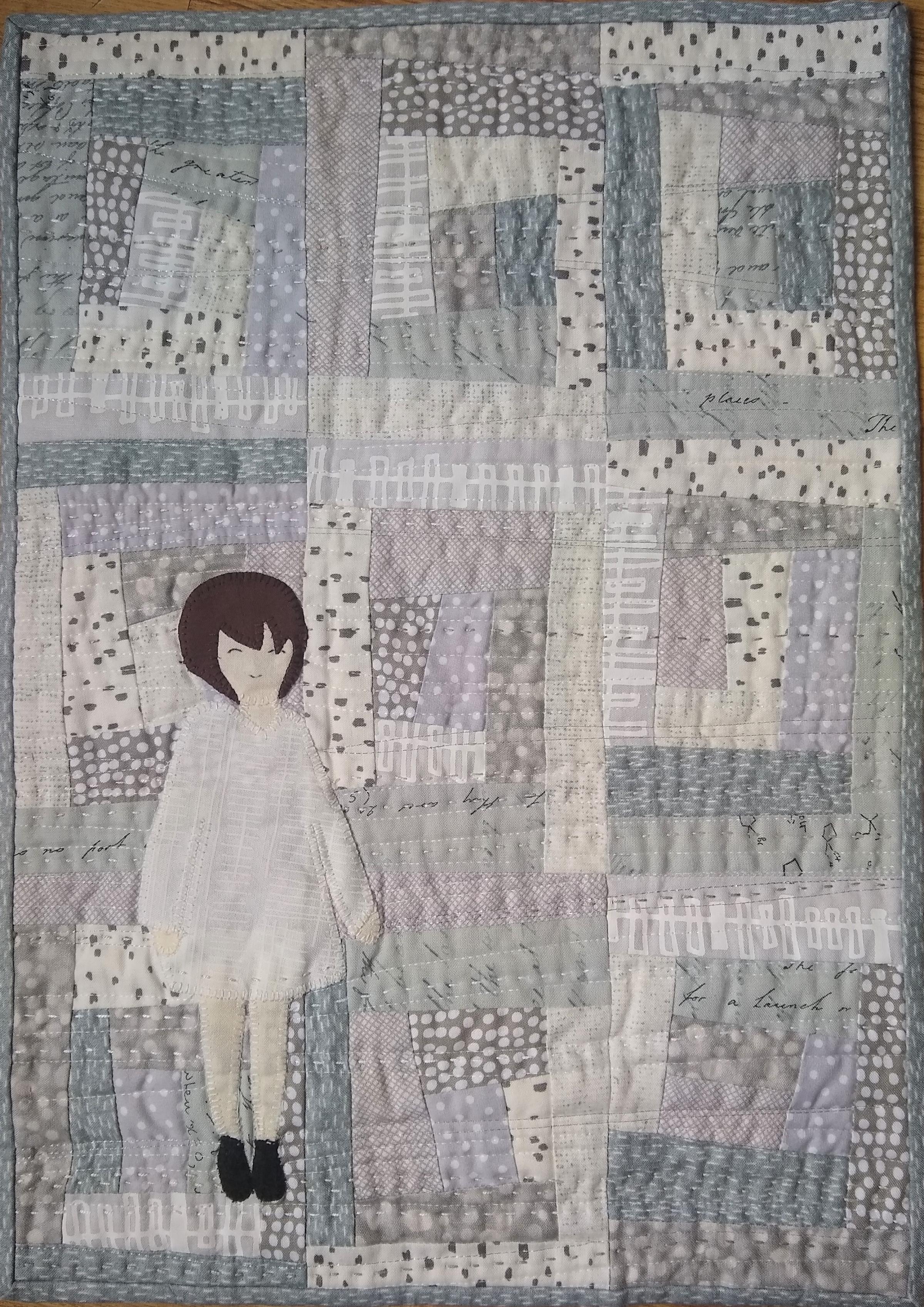
'Girl in a paper dress' by Sarah Humphreys.
An emerging research theme is how women depict themselves and their world. I am currently reading Seeing Ourselves: Women's Self-Portraits by Frances Borzello. I have been a huge fan of Frida Kahlo for a while but am fascinated to explore how many other women have chosen to depict themselves - for example Jean Cooke (while in a violent marriage) described her self-portraiture as ?a method of asserting how she wanted to be viewed?. Definitely a feminist creator!
This theme is beginning to influence my quilting practice. Late 2021, I participated in an online quilt-along led by textile artist Heidi Parkes. She shared daily prompts, encouraging each maker to respond instinctively and improvisationally according to their personal identity, history, interests, and affiliations. At that time, we were more than eighteen months into the pandemic. The relentless news reporting ? on tv, radio, print media and online - felt all-consuming. Alongside the grief brought by the pandemic, other events in the UK and across the world contributed to a feeling of hopelessness.
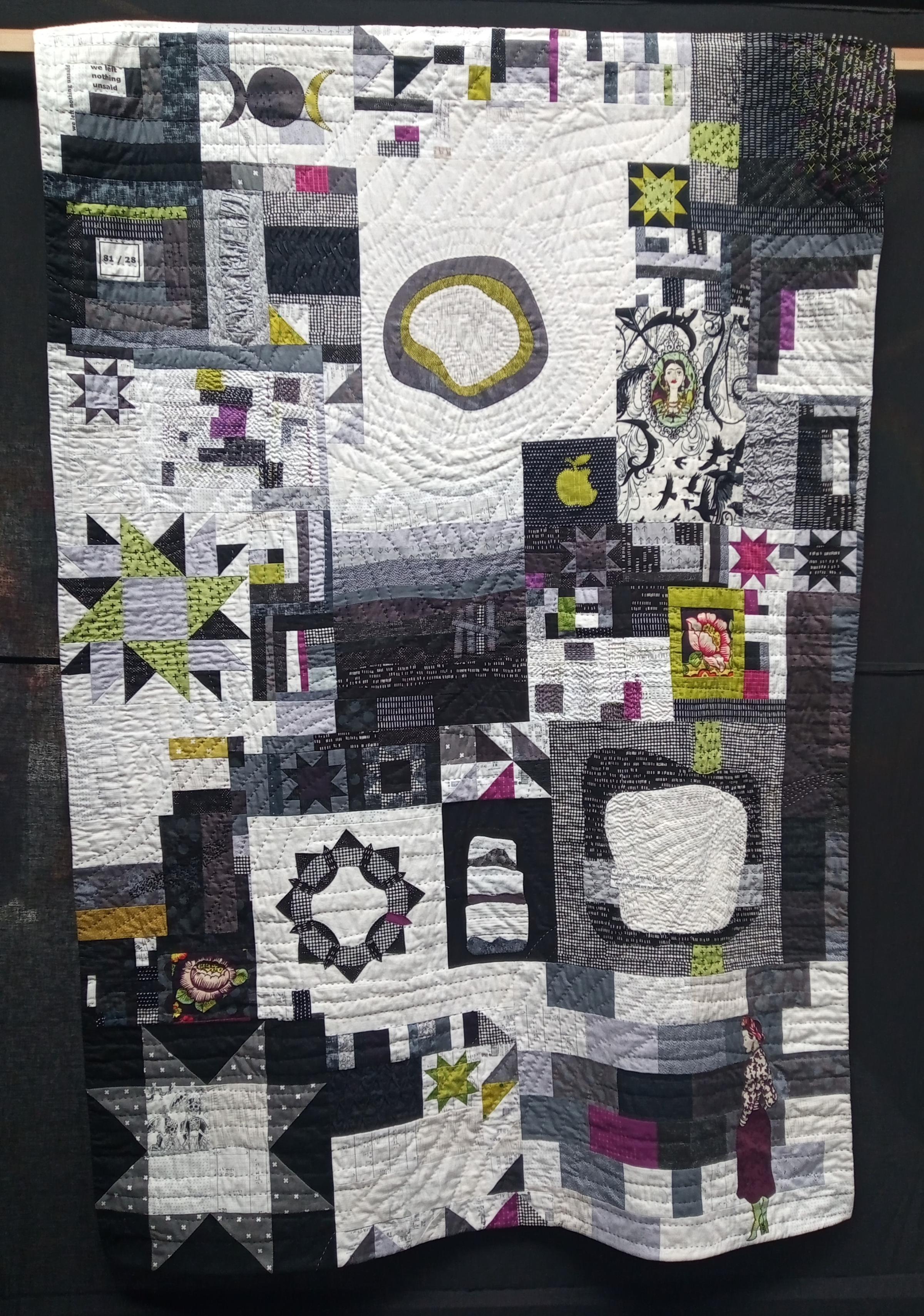
'The opposite of hope is not despair', by Sarah Humphreys.
The urgency of the daily prompts encouraged me to work in the here and now and my stitching each day became a reflection on the news I listened to on my evening commute. Although I responded to a range of events, I focused particularly on the voices and stories of women. The fear voiced by women in Afghanistan. The murders of women in the UK. The loss of confidence in the institutions which are supposed to protect us. The fight for recognition of endemic injustices and inequalities. The resulting quilt evolution was organic ? a stitched journal of responses to global events, interspersed with moments that are deeply personal. This quilt is quite different to what I would usually make but feels particularly authentic and personal. I am interested to see how my research into women?s self-portraiture will continue to translate to my quilt making.
Happy International Women?s Day. I?d love to hear your thoughts on IWD and quilt making ? you can find me on Instagram - EdwardAndTheWhiteBear.
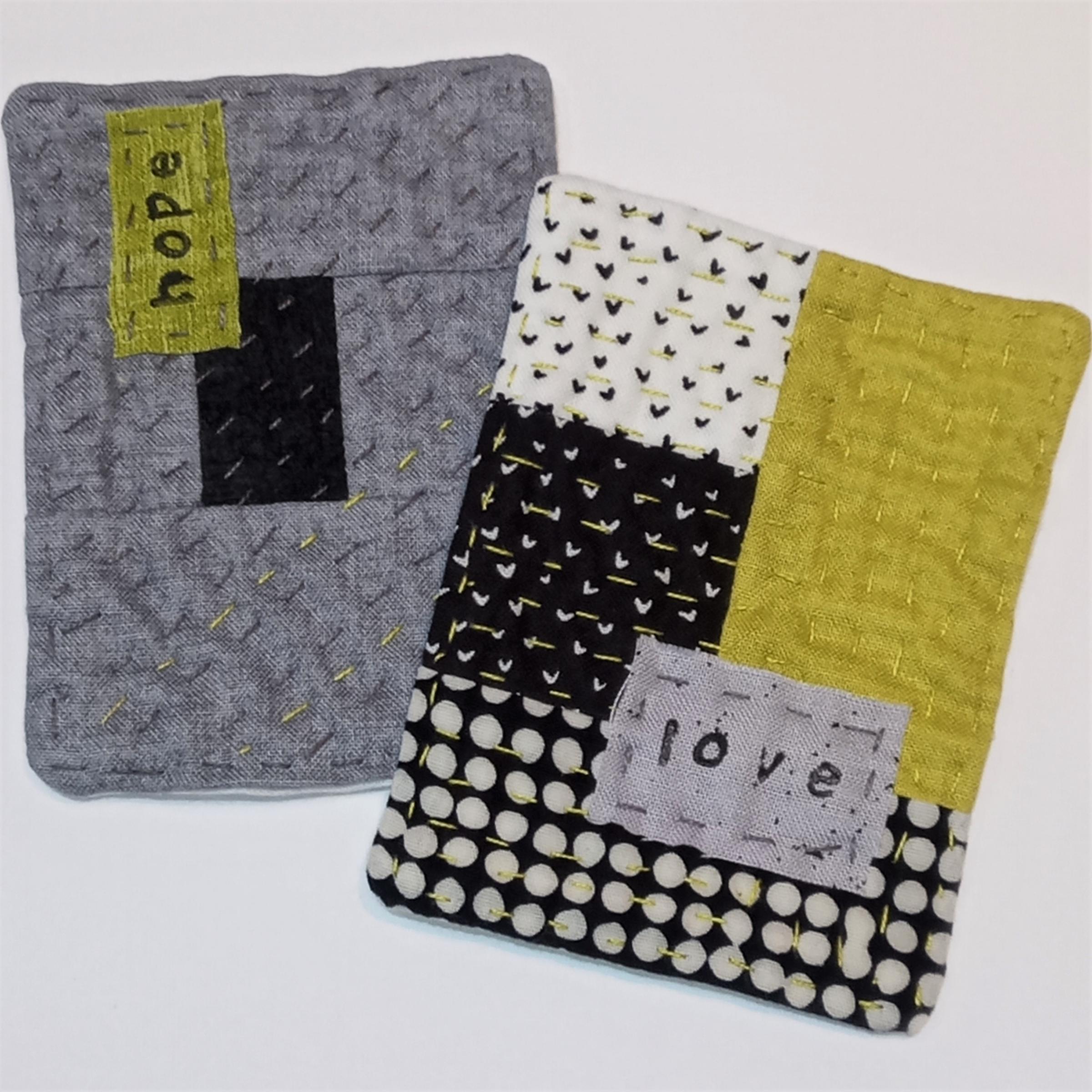
Mini modern message quilts by Sarah Humphreys.

Struggling with machine quilting? Learn how to fix 5 common problems, including skipped stitches, puckering, tension issues, thread breakage and bulky quilts.
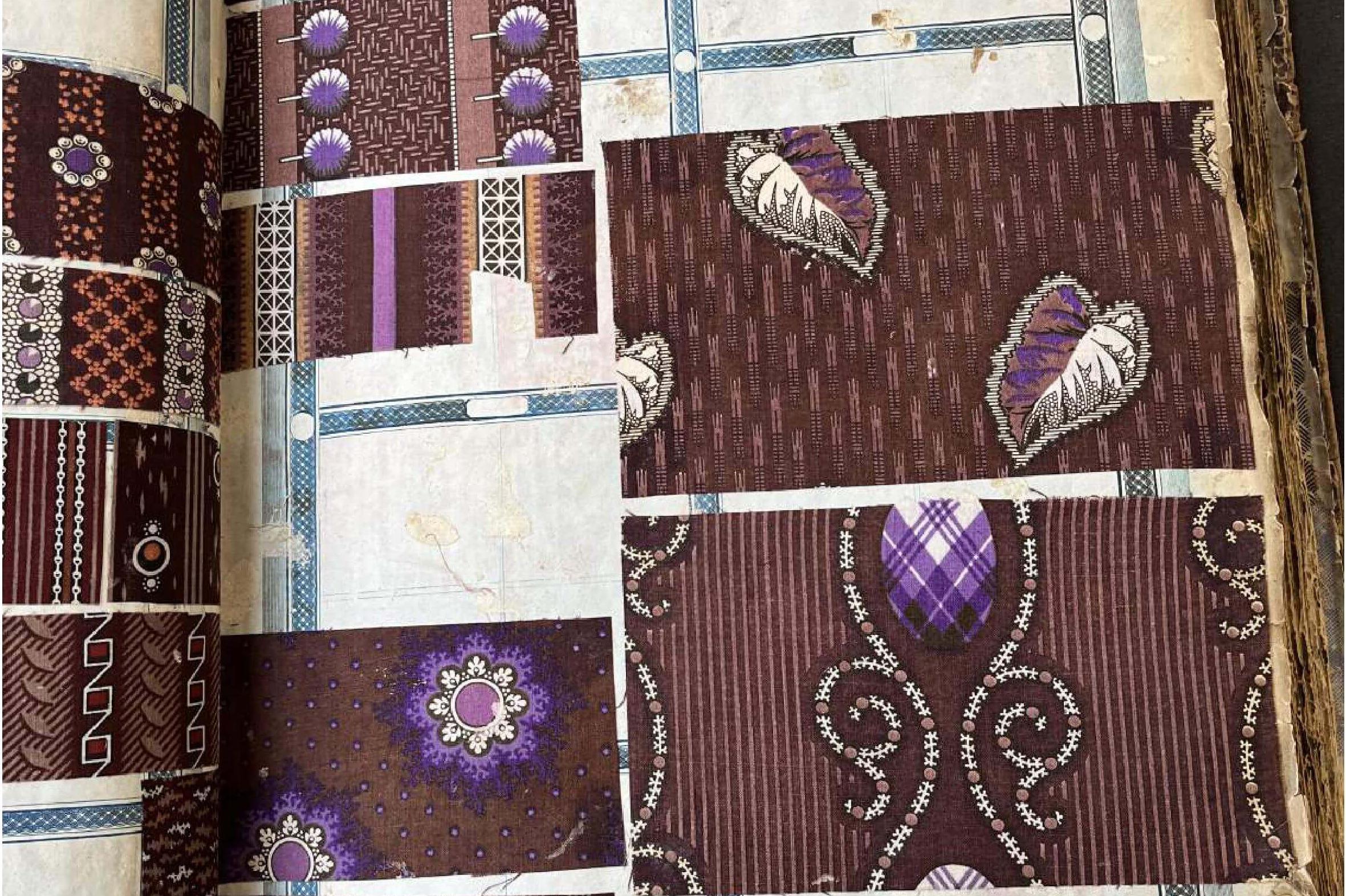
The British Quilt Study Group (BQSG) is a special interest group for Guild members interested in the history of British patchwork and quilting. They recently visited the Manchester Metropolitan University Special Collections Museum, where they examined pattern books and 'recipe' books for dyes dating back to the 1800s. These books are essential for dating historic quilts, which often lack signatures or dates. Understanding fabric printing history helps them establish the age of anonymous quilts.
We talk to Leah Higgins about her quilting journey, favourite techniques, inspirations and proudest moment. You can read a full interview with Leah in the winter edition of 'The Quilter', our membership magazine.
