Unfortunately, we don't support Internet Explorer anymore as it has been replaced by Microsoft Edge.
Please try downloading Microsoft Edge or an alternative modern browser for the best experience.
If you've started looking at quilting patterns or fabric, you've probably already encountered the phrase fat quarter.
And no, it's not a strangely shaped quarter of a metre.
A fat quarter is a quarter of a metre of fabric cut differently from a traditional quarter metre. Instead of being cut as a long, narrow strip, the fabric is cut across the width first, giving you a piece measuring roughly 18 × 21–22 inches.
A fat eighth is essentially half of a fat quarter, measuring roughly 9 × 21–22 inches.
So why do quilters use them?
The wider shape of a fat quarter makes it particularly useful for cutting quilting pieces. They're also a brilliant way to buy a selection of fabrics without committing to a whole metre of each one.
Beginner tip: If a pattern asks for six fat quarters, it simply means six pieces of fabric roughly this size — often in different colours or prints.
Once you start quilting, you'll probably become very familiar with fat quarters. You may even start collecting them without quite knowing how it happened.
Walk into a quilting shop, and it can be easy to believe you need an entirely new room to store your equipment.
You don't.
If you're starting with patchwork, a few basic tools will get you a long way:
• A rotary cutter
• A cutting mat
• A quilting ruler
• Fabric scissors
• Pins or clips
• Thread
• A sewing machine, if you're machine piecing
• And, perhaps most importantly, a seam ripper
If you're planning to hand-piece or hand-quilt, you'll need a few additional tools.
For hand quilting, look for between needles, usually in size 8 or 9. They're short and fine, making them well suited to taking small, even stitches through the layers of your quilt.
You'll also want hand-quilting thread, which is designed to resist tangling and fraying as you pull it through the fabric. A heavier 12-weight or 8-weight thread can be used when you want your stitches to make more of a feature.
A thimble protects your finger as you push the needle through the quilt sandwich. There are plenty to choose from, including traditional metal thimbles, leather thimbles and silicone options, so it's worth trying a few to find what feels comfortable.
A small pair of sharp scissors is useful for trimming threads, while a water-soluble fabric marker or Hera marker can help you mark your quilting lines.
The important thing is not to buy everything at once.
Start with what you need for the project you're making. You can add to your toolkit as you discover what you enjoy.
If you've spent any time reading quilting patterns, you'll have noticed that ¼ inch (6mm) seems to be everywhere.
A quarter-inch seam is simply a line of stitching approximately a quarter of an inch from the raw edge of your fabric.
It's important because quilting often involves joining many precisely cut pieces. If your seam is consistently a little too wide or too narrow, those small differences can add up, and suddenly your blocks don't quite fit together.
A consistent quarter-inch seam helps your pieces meet where they're supposed to, keeps your blocks the right size and prevents unnecessary bulk where several seams come together.
It sounds frighteningly precise.
It doesn't have to be.
Beginner tip: Before starting your project, sew a test seam and measure it. If it's not quite right, adjust your machine setup rather than trying to compensate as you sew. A quarter-inch foot can also make it easier to maintain a consistent seam allowance.
And remember: a seam that's a tiny fraction of an inch out isn't a quilting catastrophe.
You'll get more accurate with practice.
At some point, you'll cut something incorrectly.
You'll sew something together backwards.
Your points won't match.
You'll discover that the seam you were absolutely certain you'd sewn correctly is, in fact, not correct at all.
Welcome to quilting.
Some of the most common beginner problems are surprisingly simple to avoid:
Read the pattern before you start.?
It can be tempting to dive straight in when you've found a project you love. Take a few minutes to read all the instructions first. You'll understand what you're doing — and you'll avoid cutting pieces you don't actually need.
Measure carefully.?
Accurate cutting is the foundation of accurate patchwork. Make sure your ruler is secure, and your rotary cutter has a sharp blade.
Don't rush your sewing.?
Going too fast makes it harder to control your fabric and maintain a consistent seam allowance. Slow down and let the machine do the work.
Use pins or clips when you need them.?
Especially when matching seams and corners. There's no prize for using the fewest pins.
Press as you go.?
Which brings us to something else that can catch beginners out…
This is one of those small distinctions that can make a surprisingly big difference.
Ironing generally means moving the iron backwards and forwards across the fabric.
Pressing means placing the iron down, applying a little pressure, lifting it and moving it to the next area.
When you're quilting, you generally want to press rather than iron.
Why?
Because dragging a hot iron backwards and forwards can stretch or distort your fabric, particularly around seams. Pressing helps you keep those carefully cut pieces in shape and your seams crisp and accurate.
Think of it as setting your seams rather than smoothing your shirt.
And don't be tempted to skip it. A few seconds with the iron at each stage can make a big difference when it's time to put your blocks together.
Your first quilt doesn't have to be perfect.
There will probably be a wonky seam. Your points might not all match. You may cut something incorrectly. At some point, you will almost certainly wonder why you thought making a quilt was a good idea.
That's quilting.
The important thing is that you made something.
Every quilt teaches you something for the next one. The things that seem complicated now will eventually become second nature — and before long, you'll be the person explaining fat quarters and quarter-inch seams to someone else.
You don't need to know everything before you start.
You just need to know where to start.
You don't have to learn quilting on your own.
As a member of The Quilters' Guild, you'll have a friendly community of quilters to learn from, along with access to our Resource Centre, including videos, talks, workshops and a wealth of quilting knowledge.
Whether you're picking up a needle for the first time or working on your first quilt, we're here to help you learn, make and connect with other quilters.
Find out more about membership and discover where your quilting journey could take you here
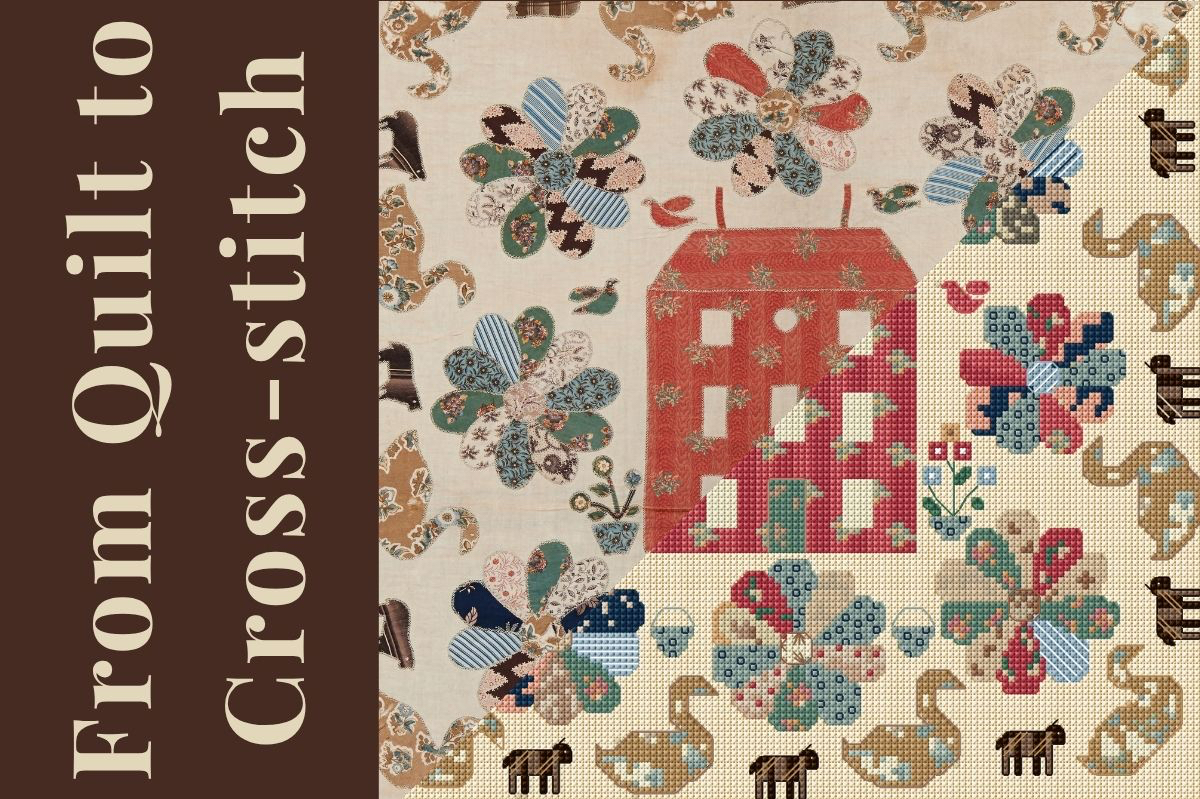
Discover how treasures from The Quilt Collection are being reimagined as cross-stitch and tapestry patterns, bringing historic textiles to today's stitchers.
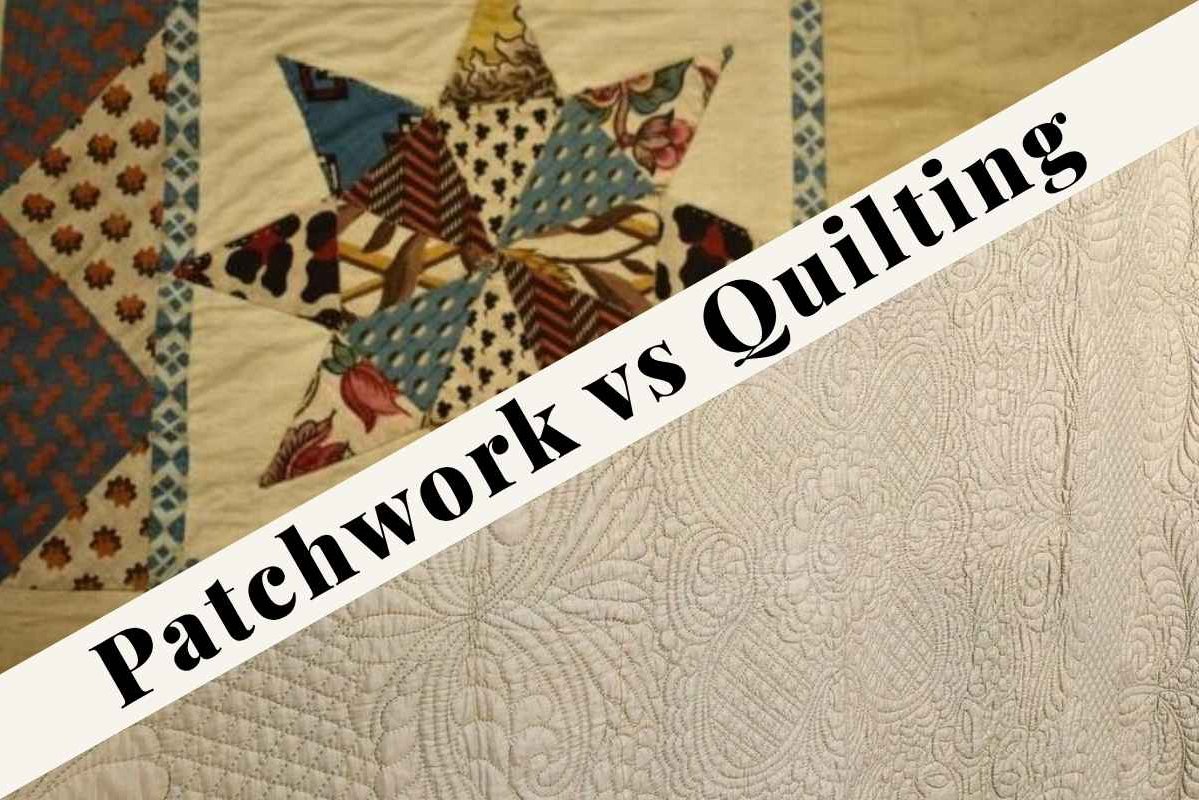
What's the difference between patchwork and quilting? Discover how patchwork, quilting and appliqué differ, with examples from The Quilters' Guild Collection.

Find quilting teachers and speakers offering online and in-person talks and workshops. Discover opportunities to learn, improve your skills and share your passion.
